

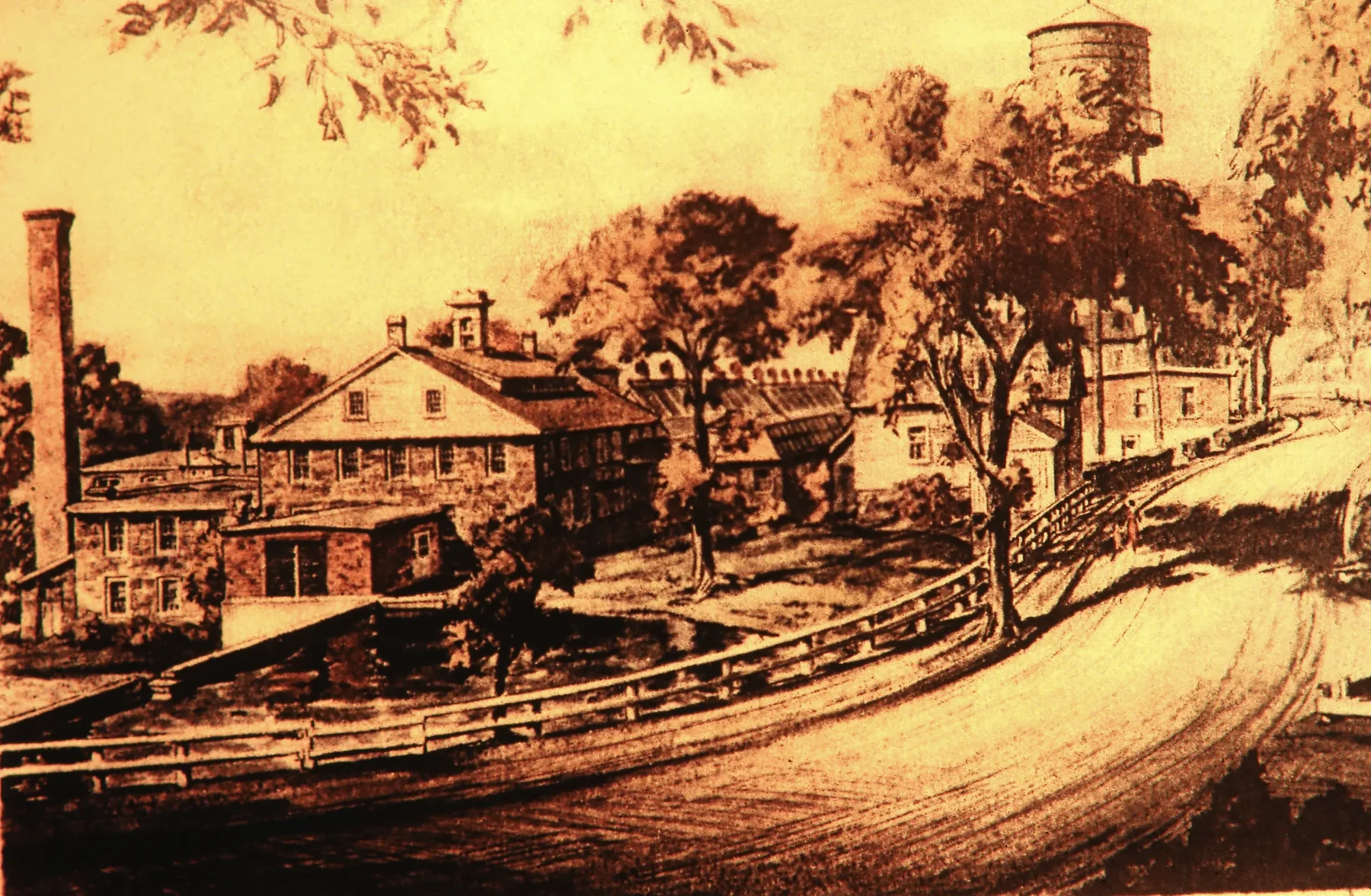
It was the best of times….
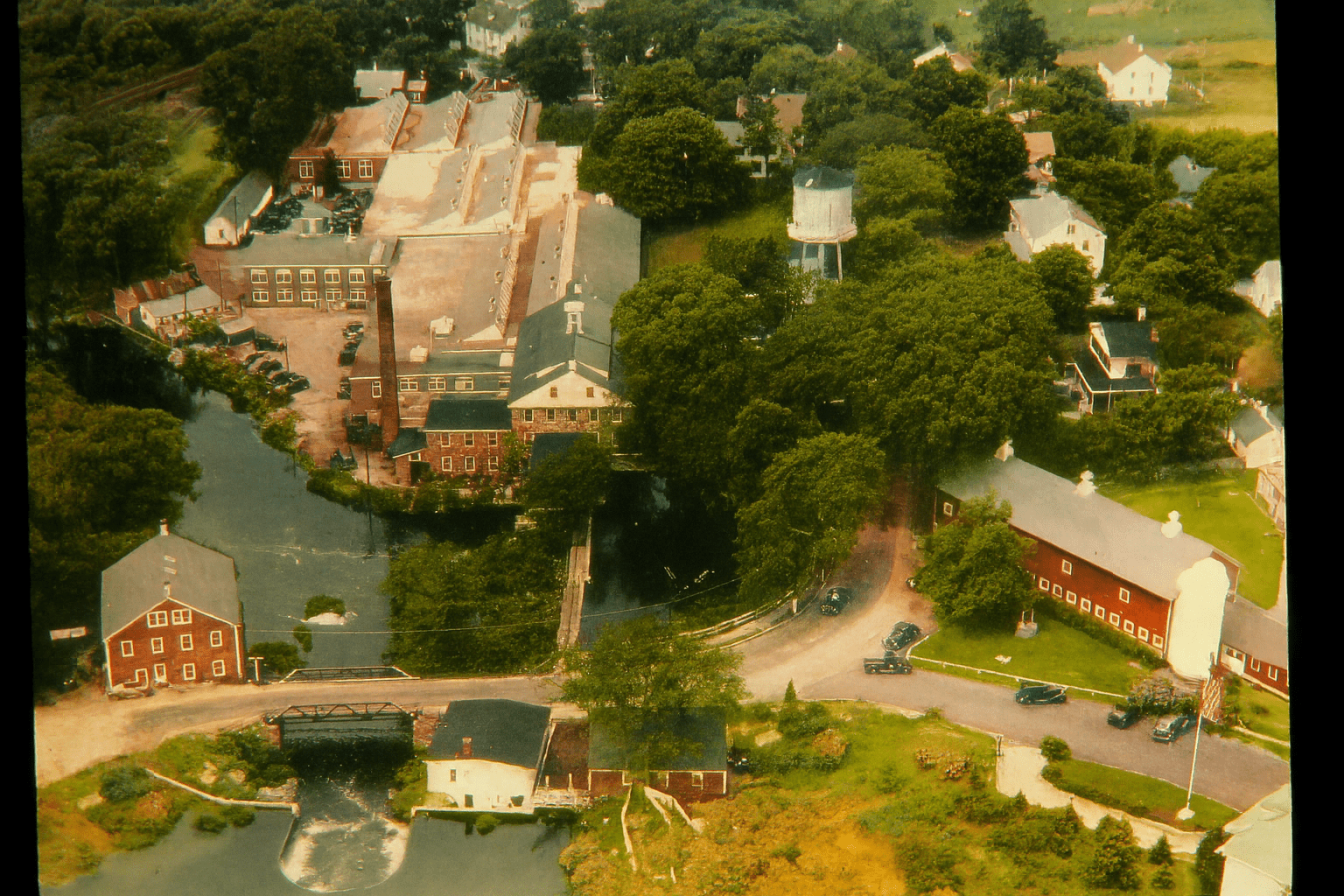
Historic Rosetta #1: By 1918 the Village had reached its zenith…
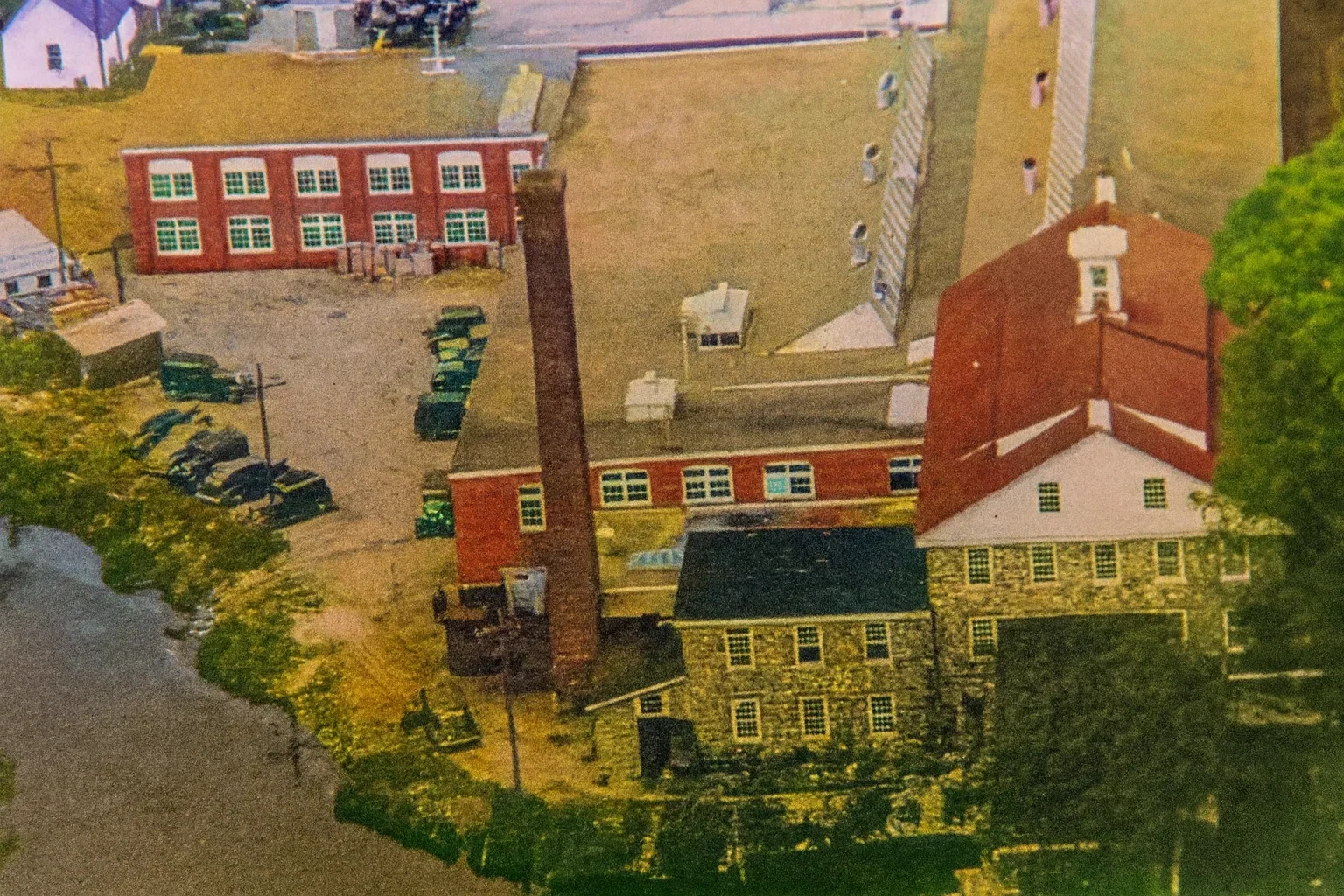
Mill with additions…
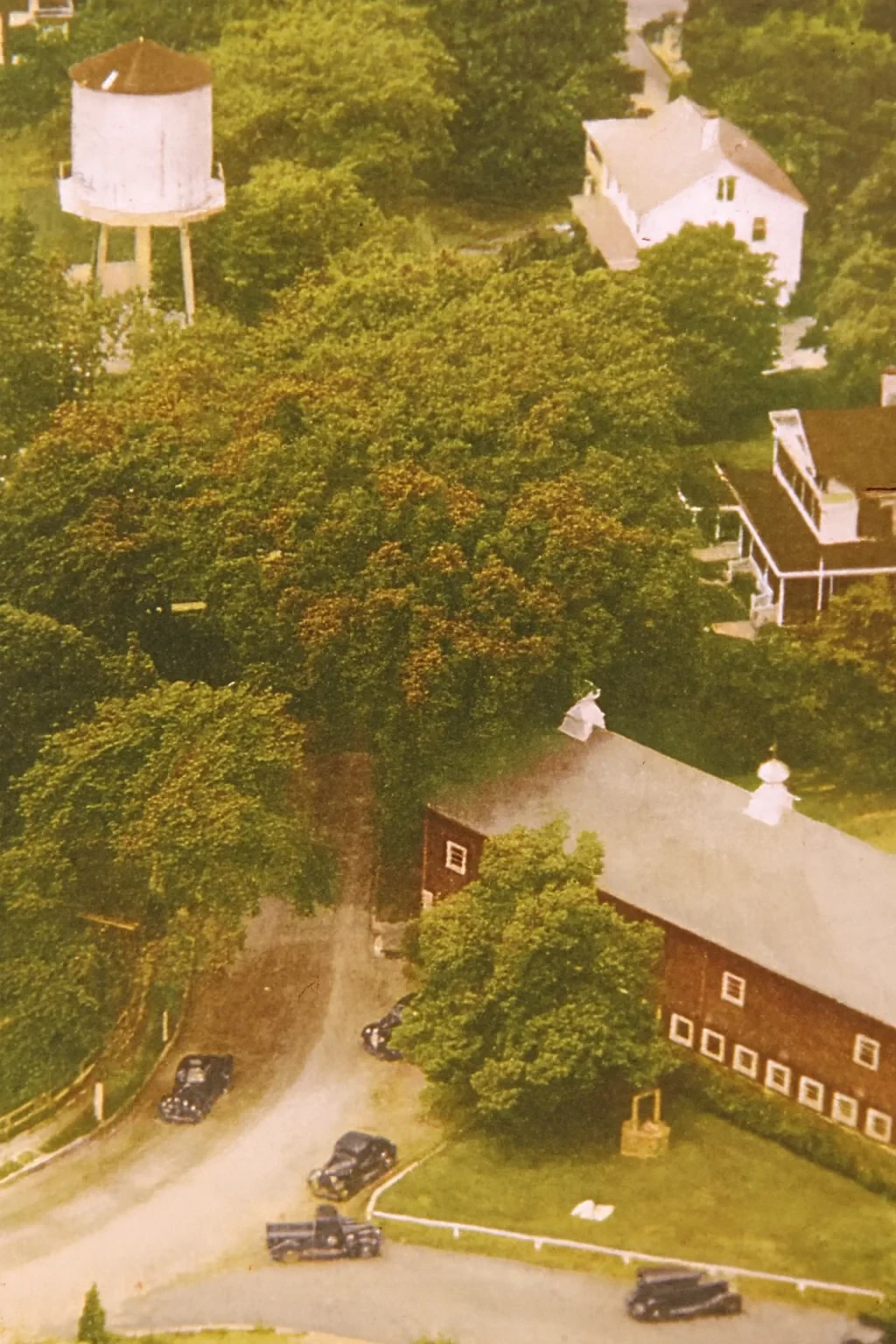
Barn…
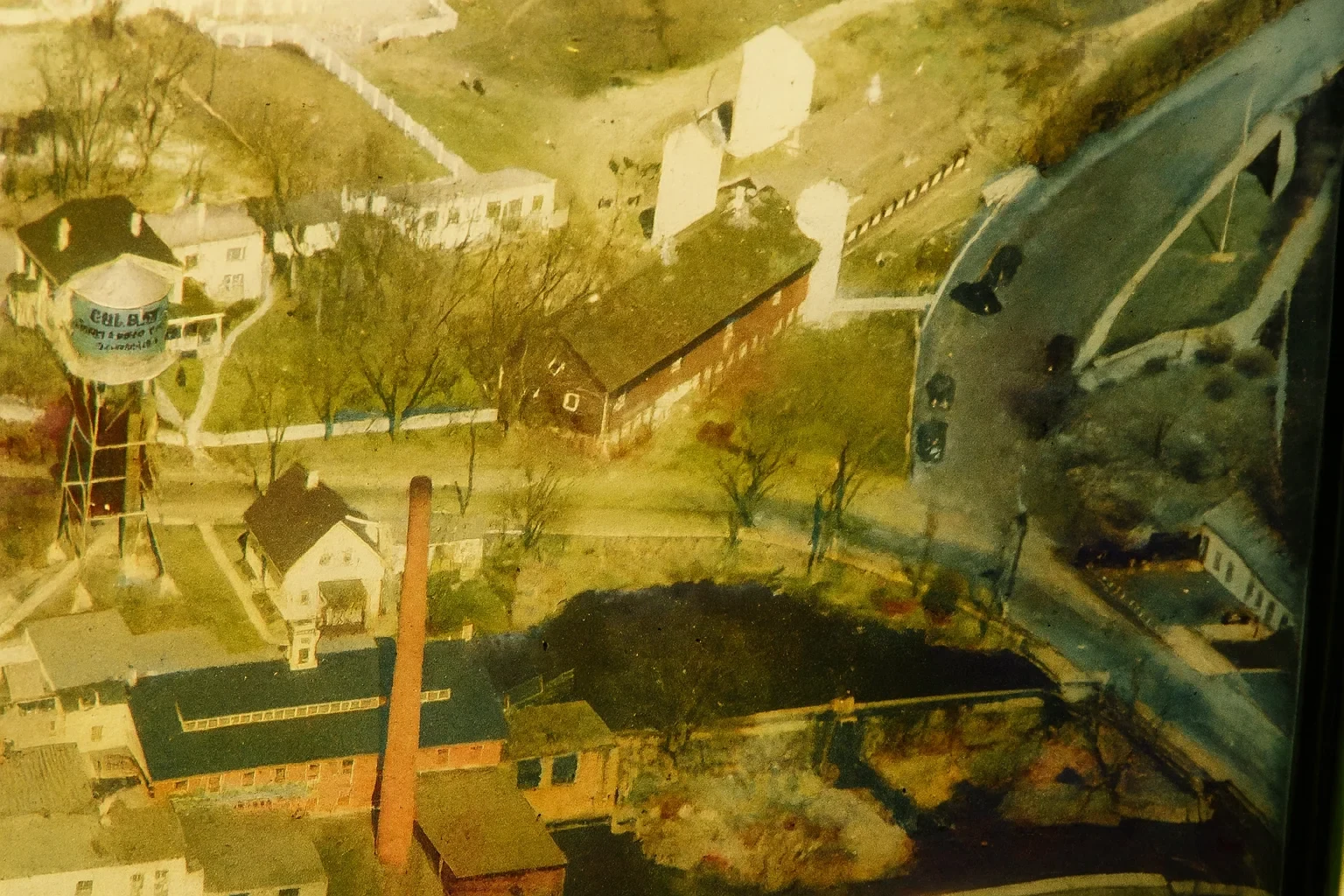
Historic Rosetta #2…
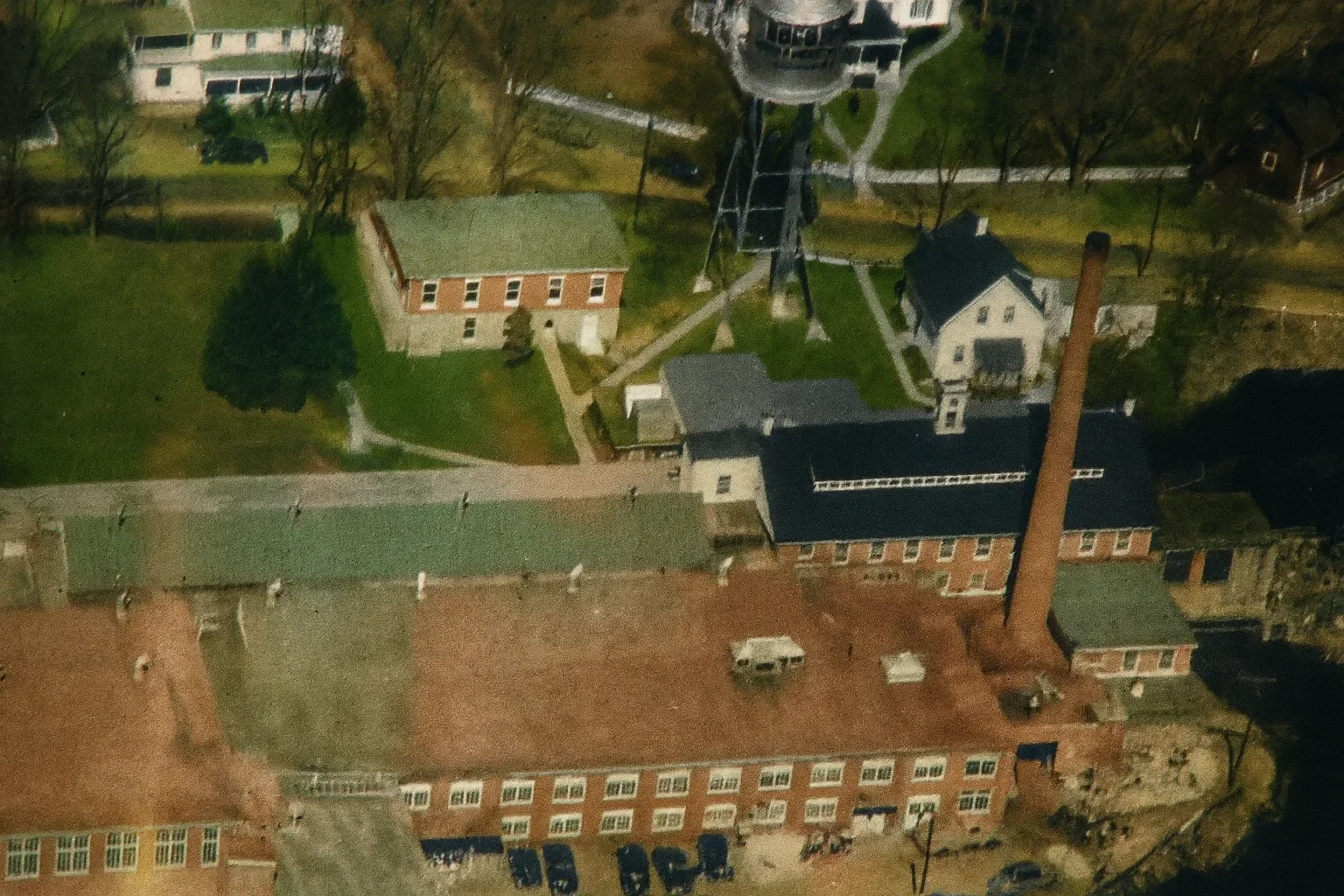
Mill Addition and Office….
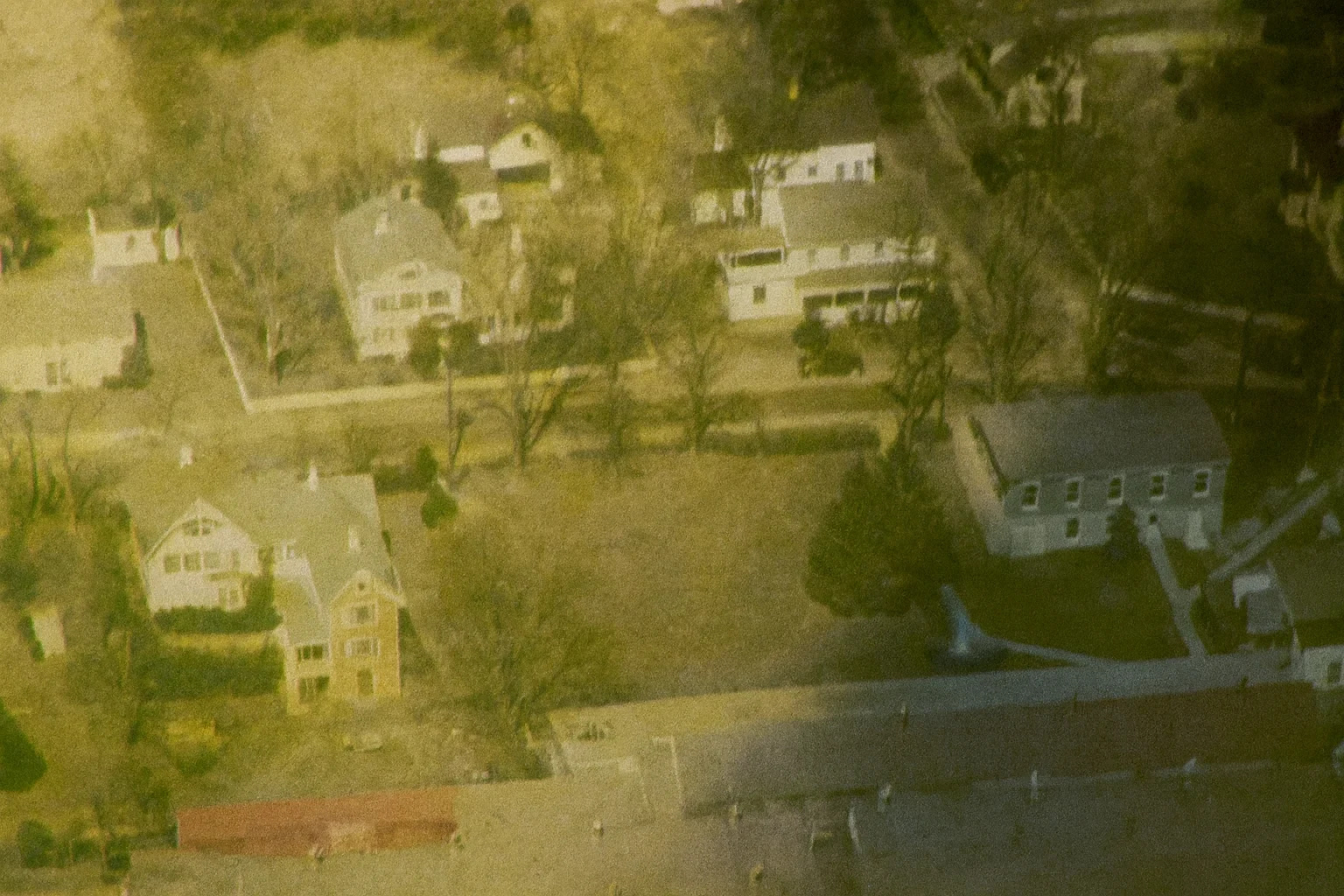
Main Street…
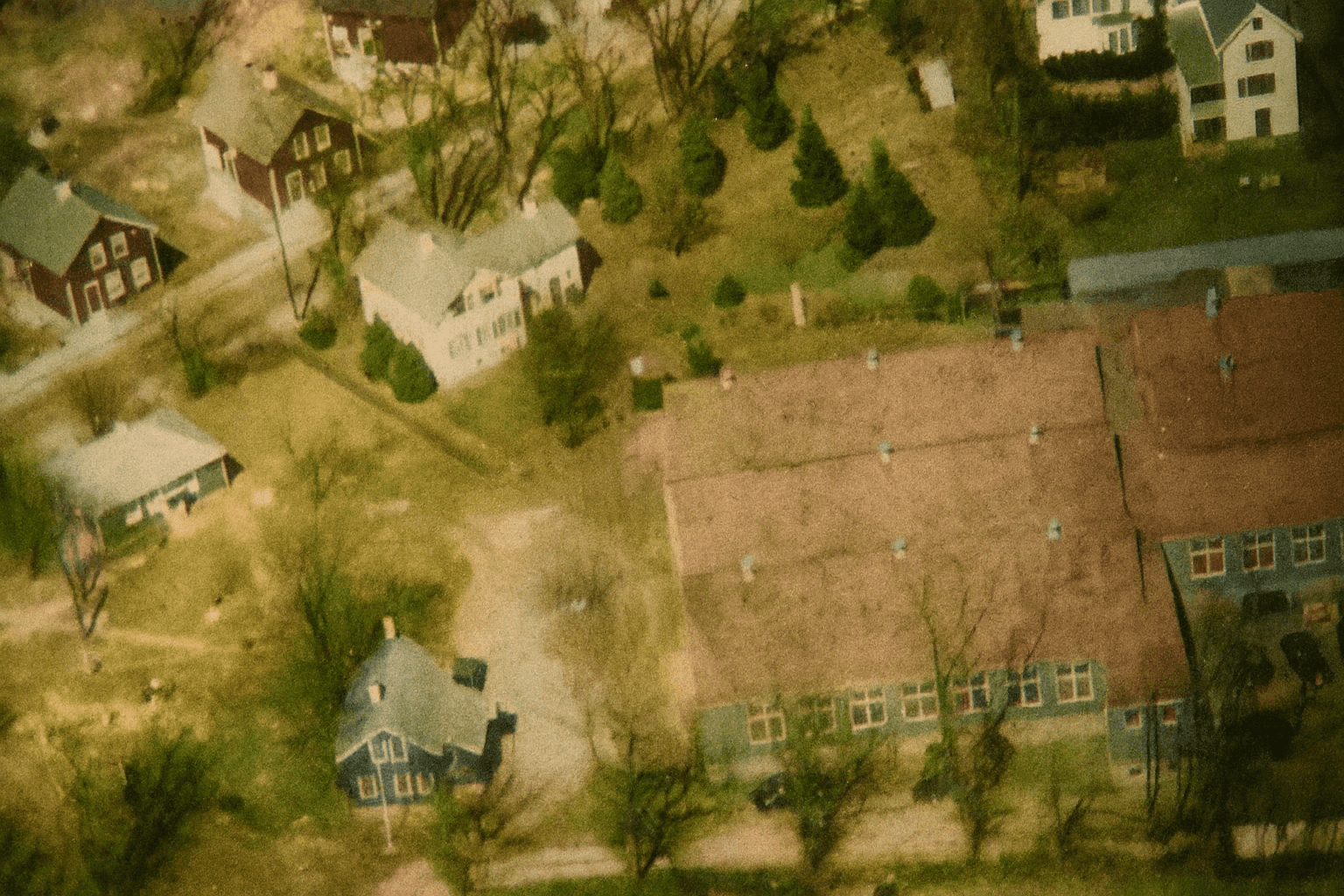
Brick addition…
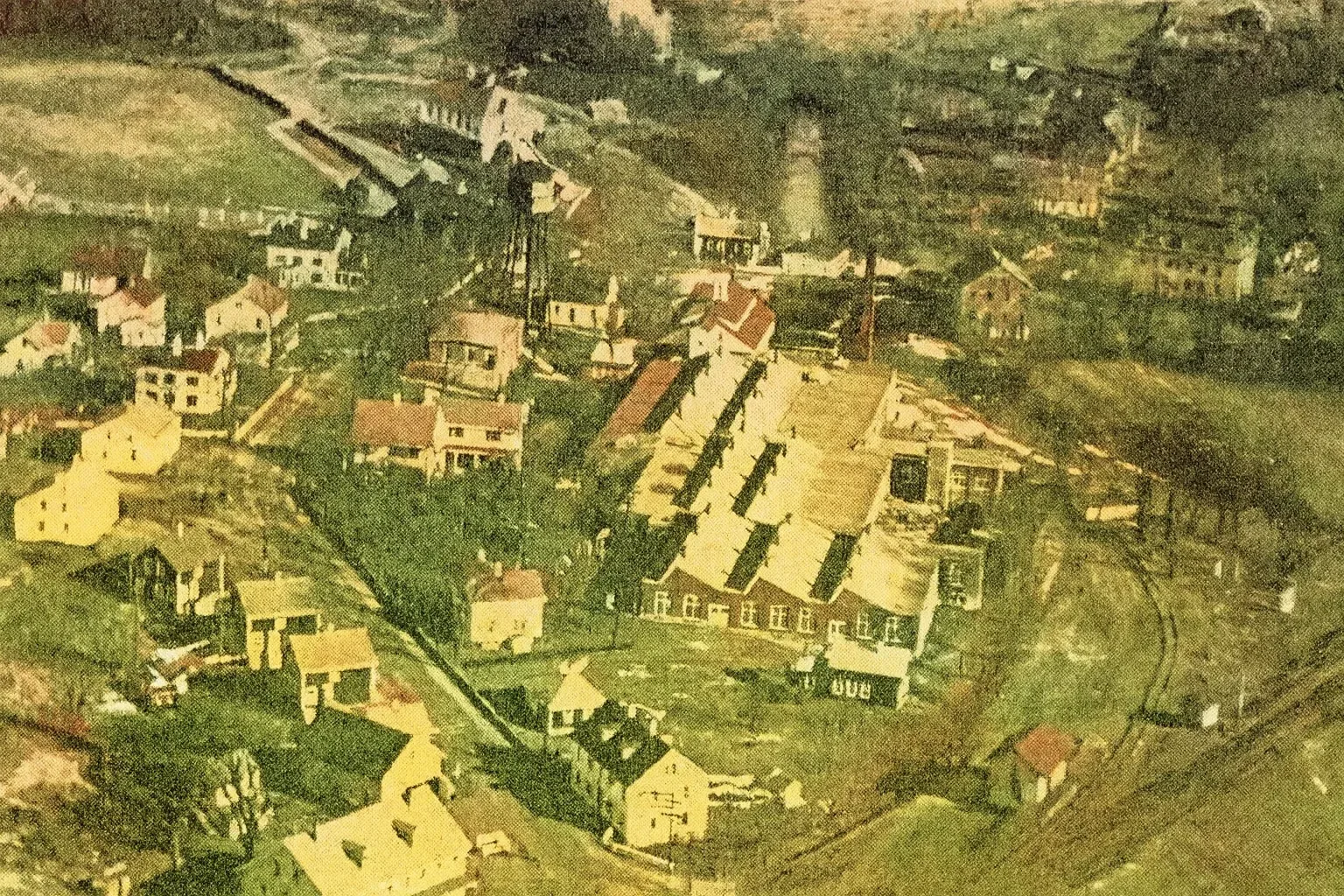
Historic Rosetta #3…
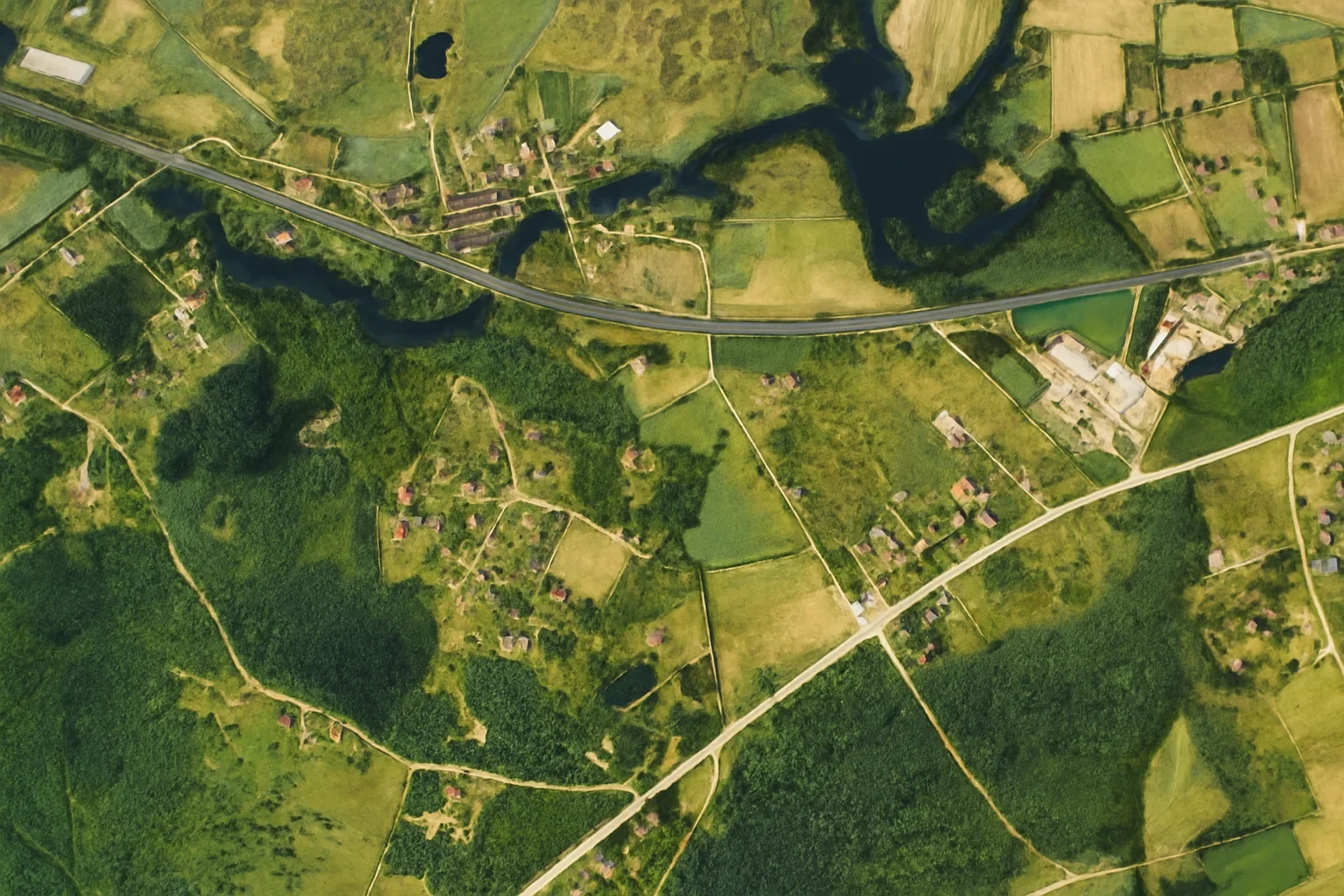
Satellite view…
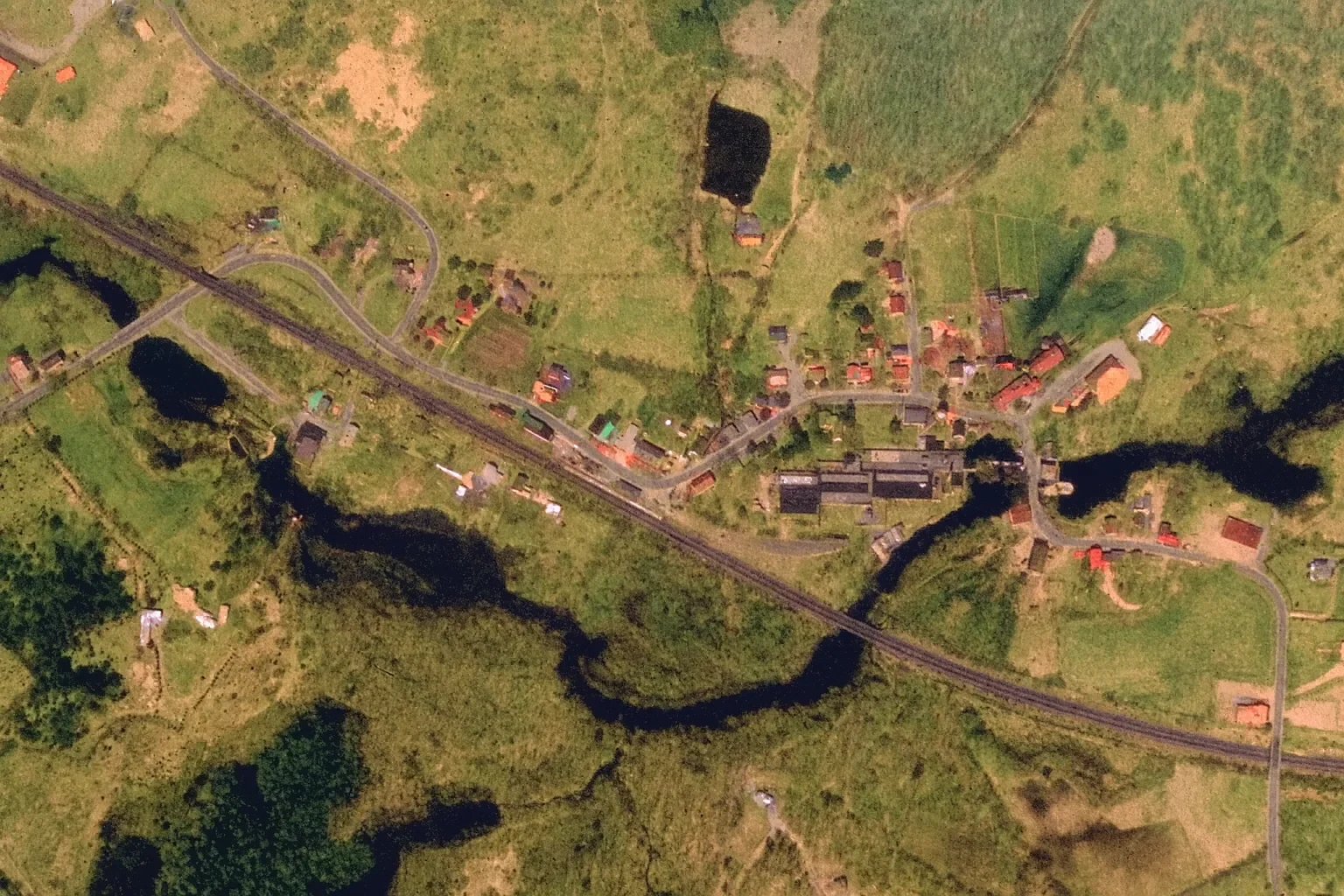
Village Center…
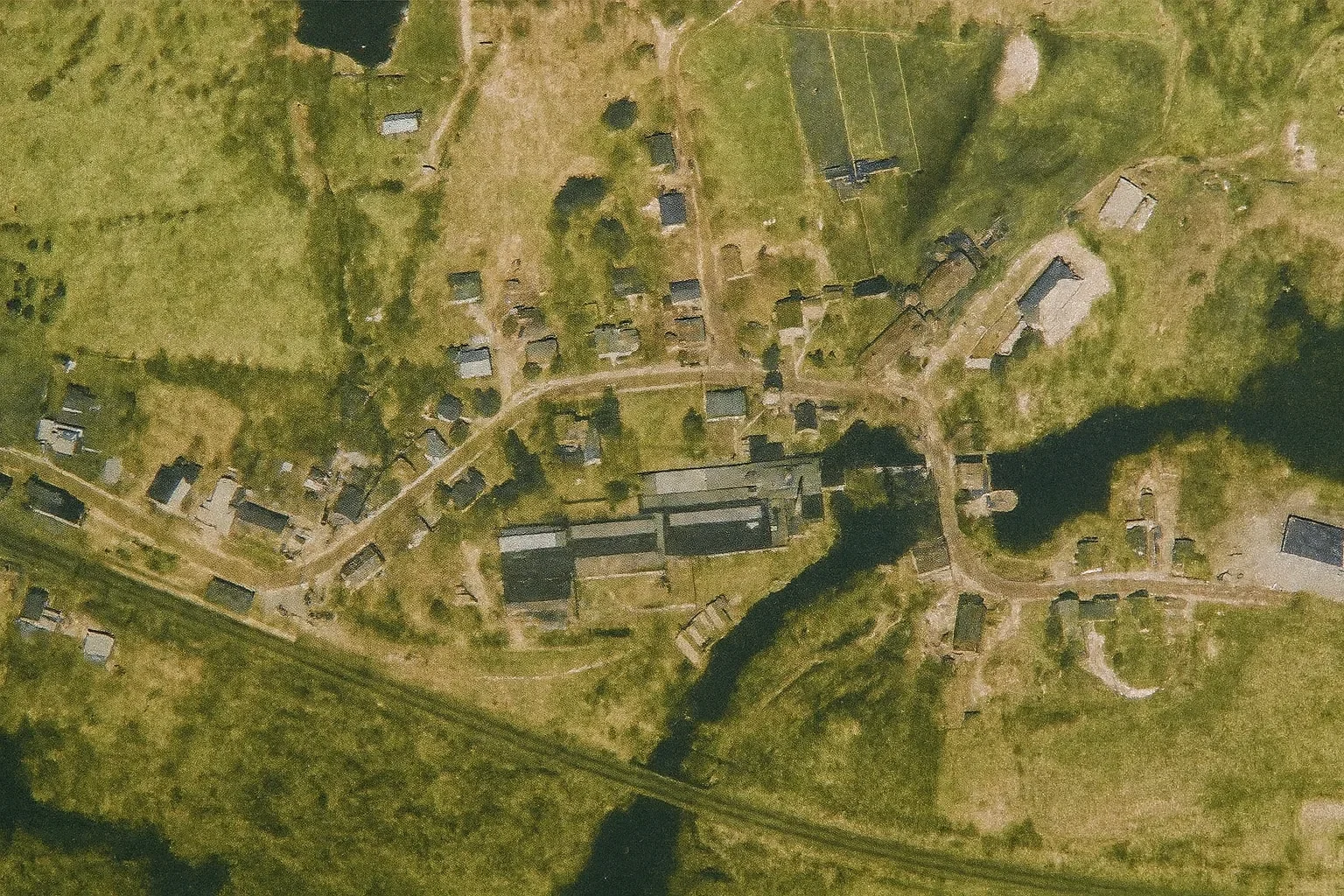
Closer…
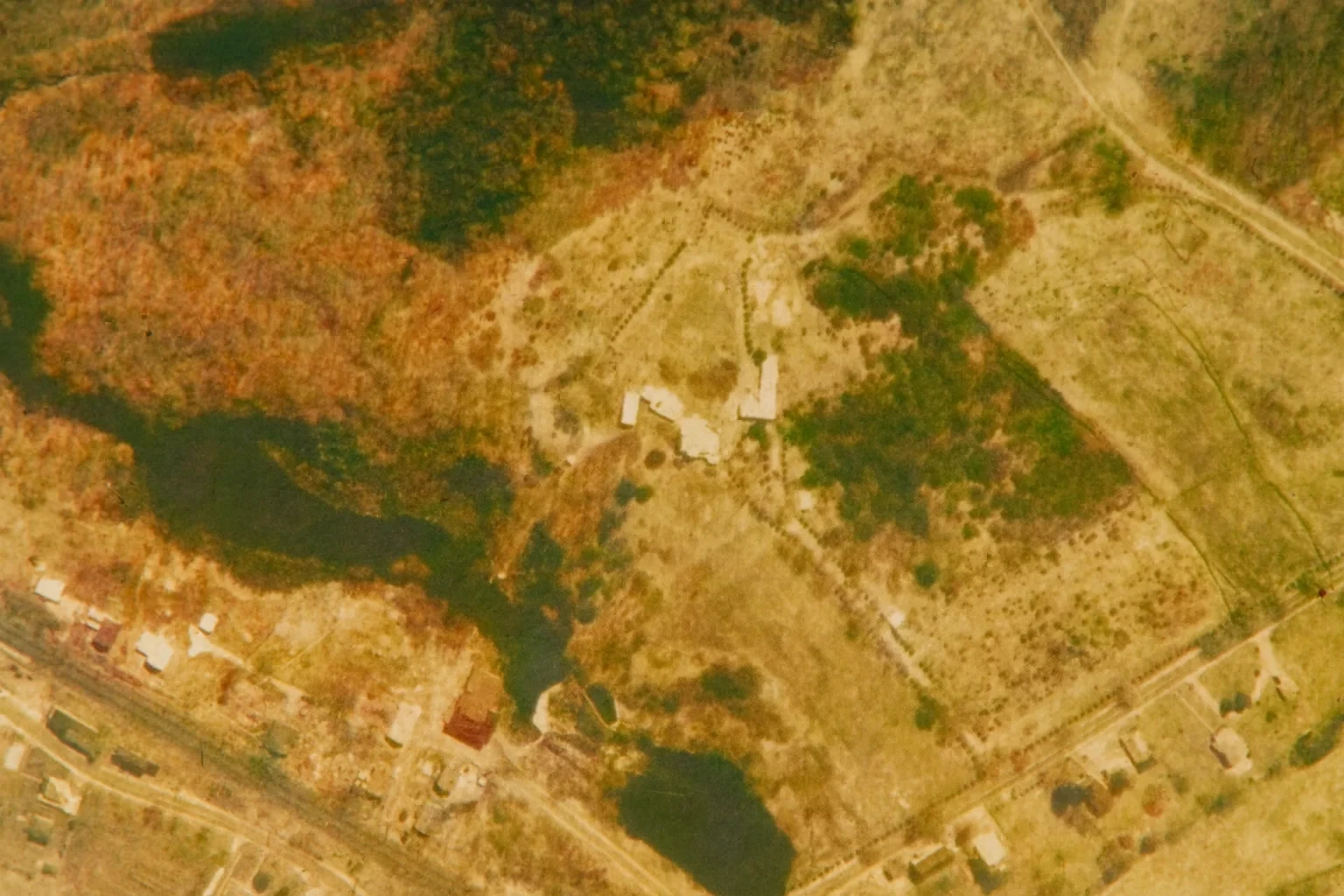
Narragansett Hill, aka, the Carmichael Estate…
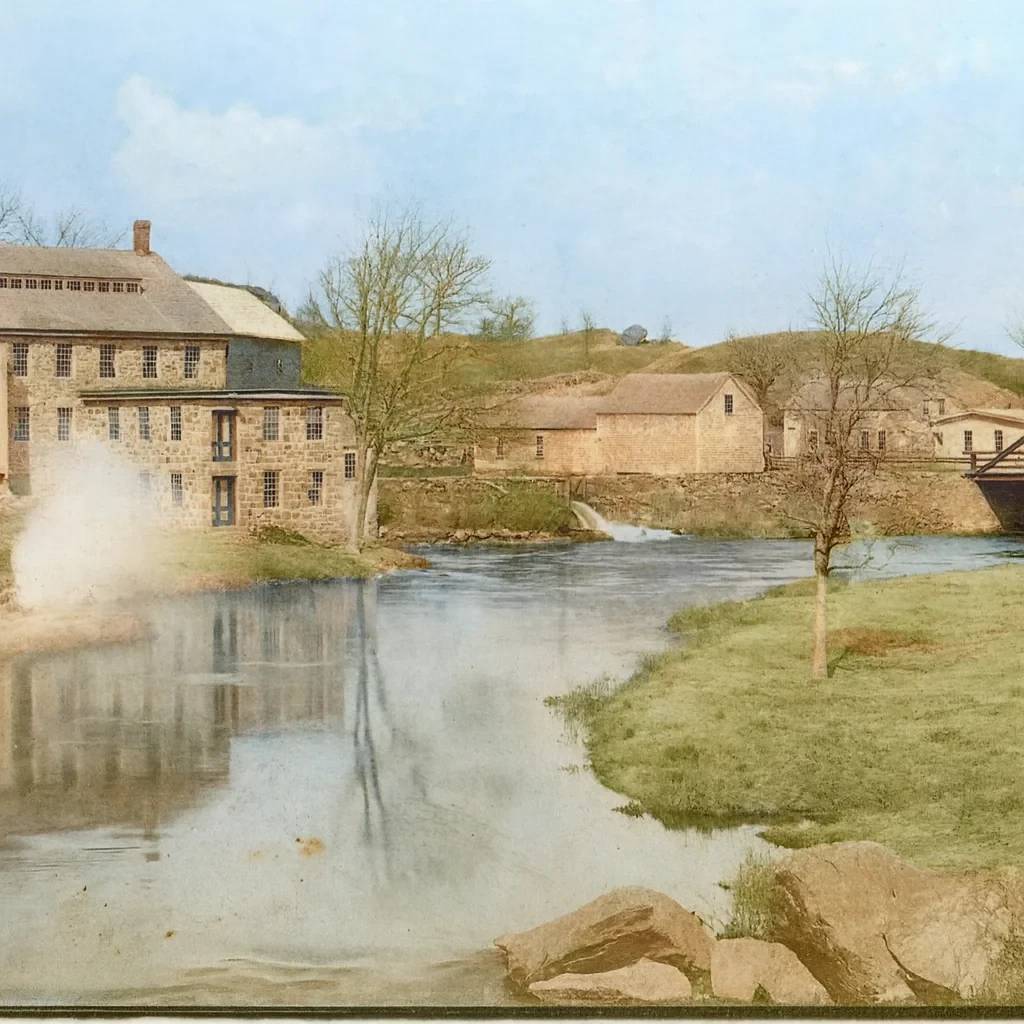
The Mill continued to thrive….
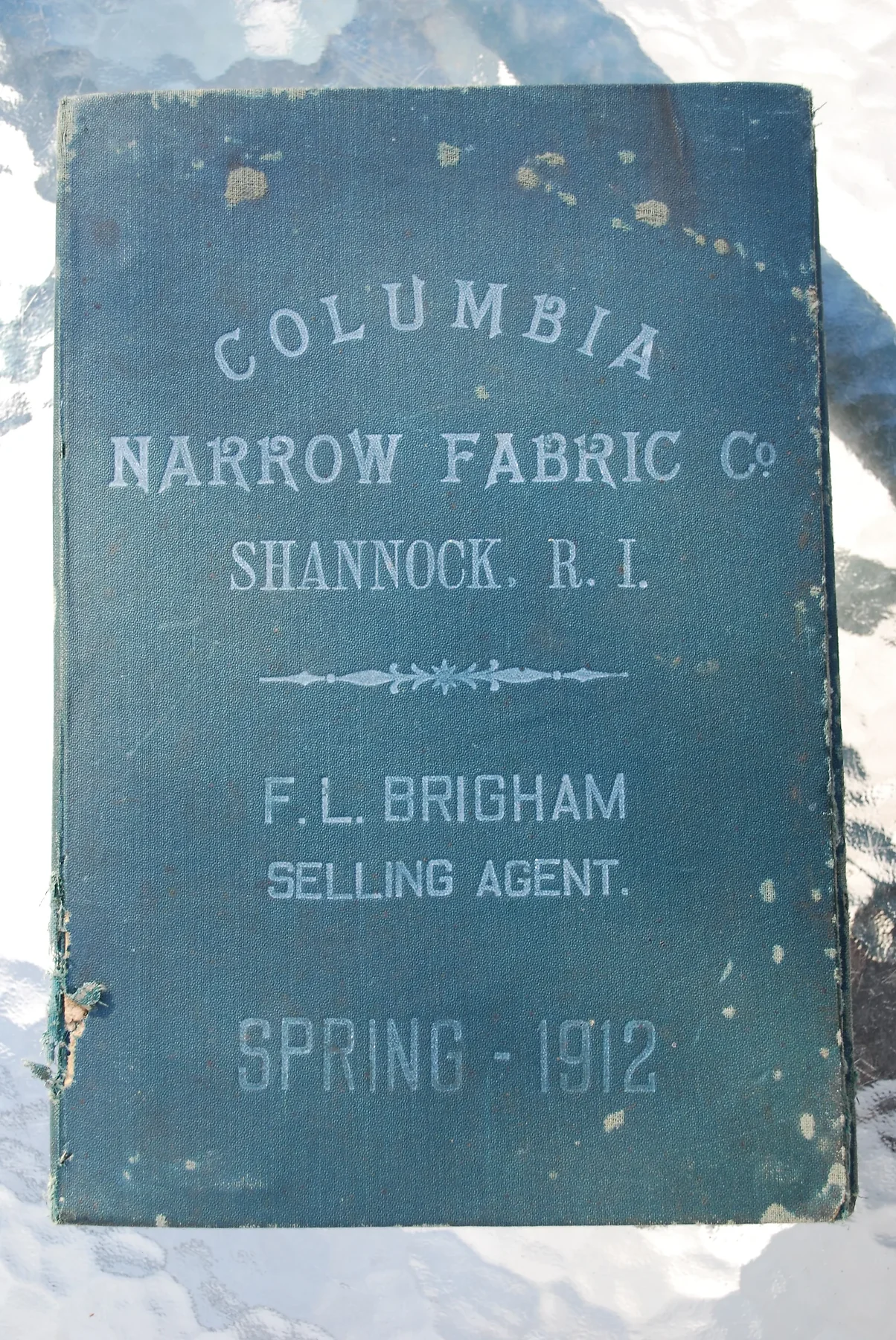
Sample Book…
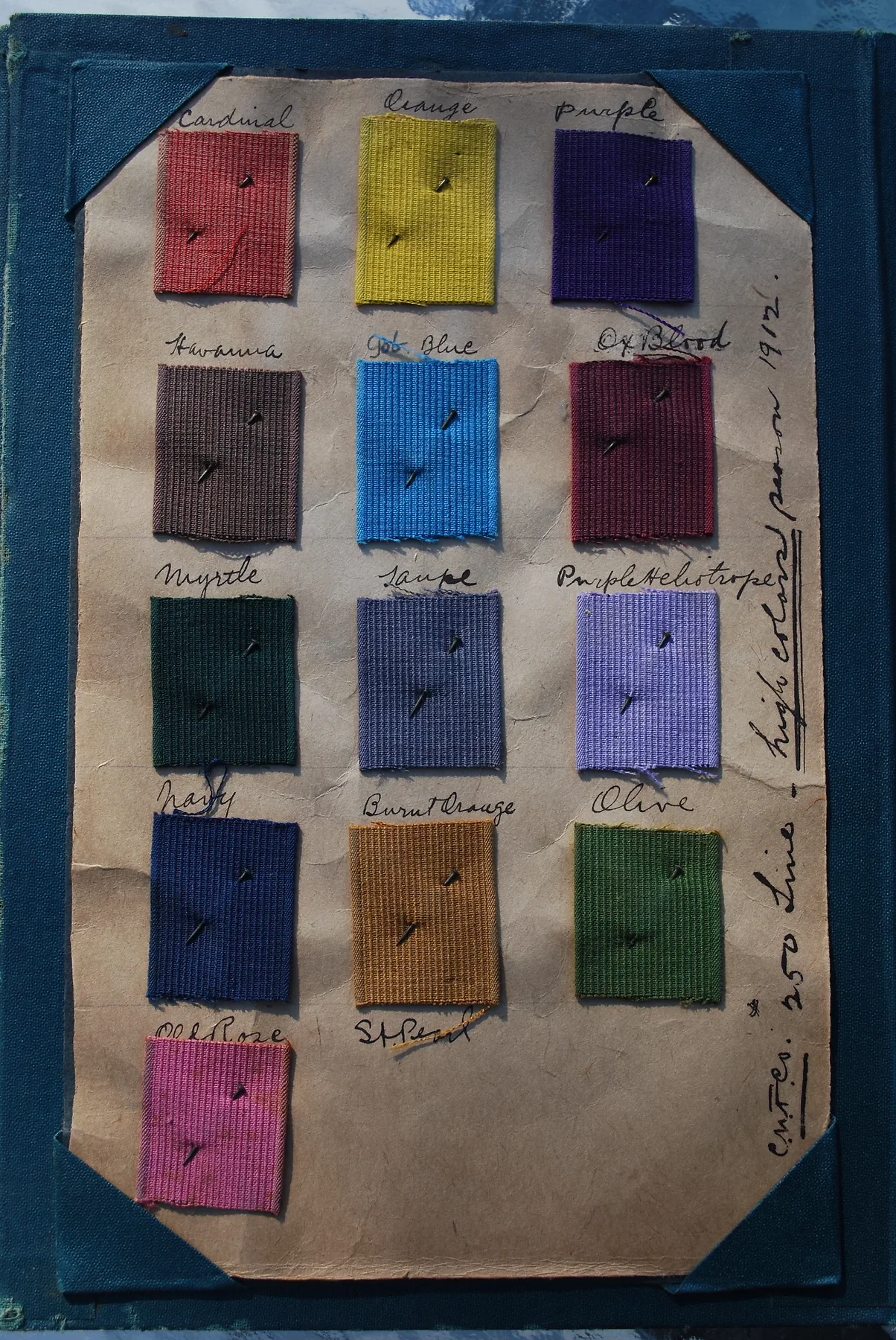
Narrow Fabrics…elastic straps for bathing suits, underwear, gas masks during WW I….etc…
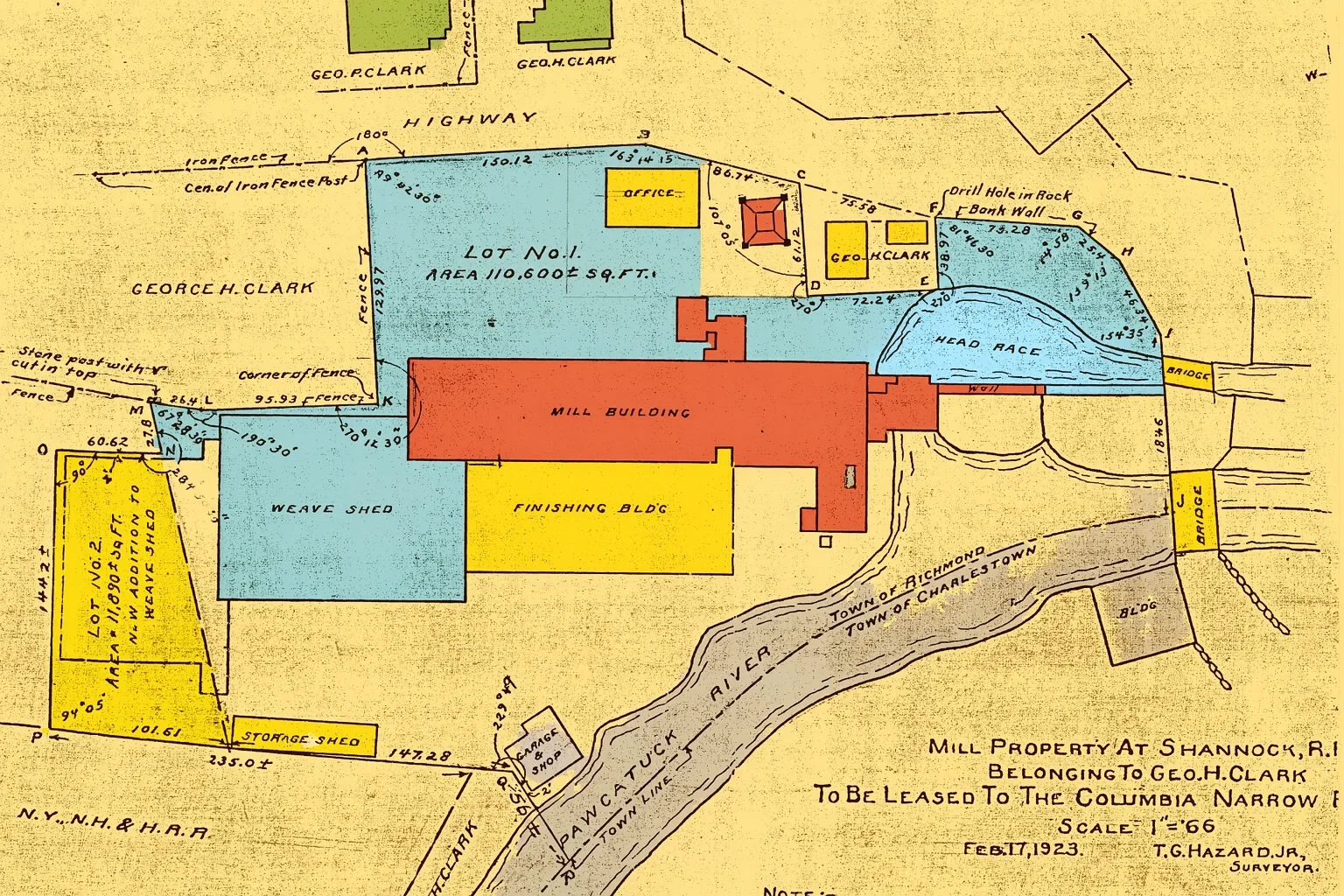
Mill layout…

Heading into the village in 1901 as indicated by the rebuilding of the Shannock Baptist Church on the right…
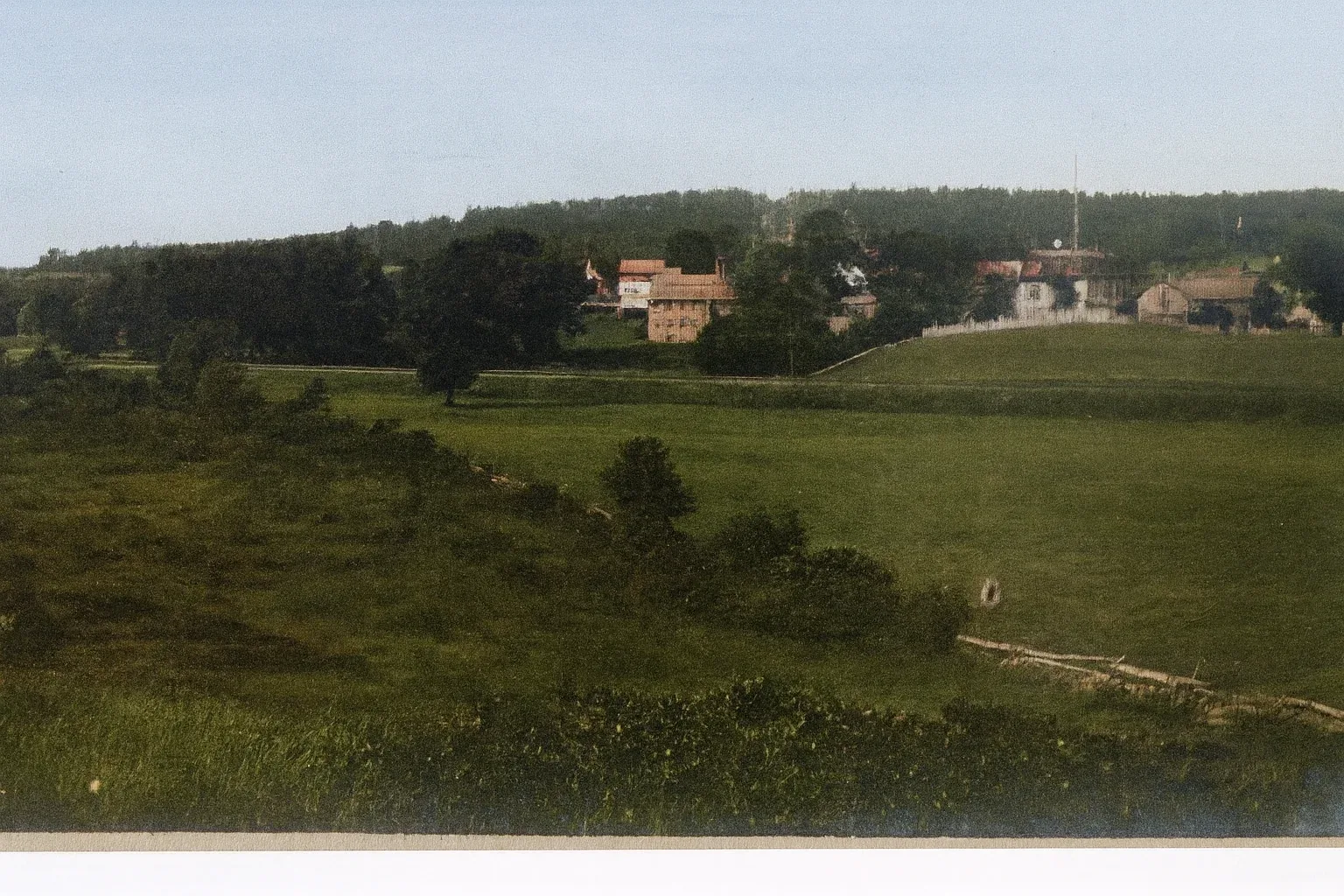
Cow pasture…
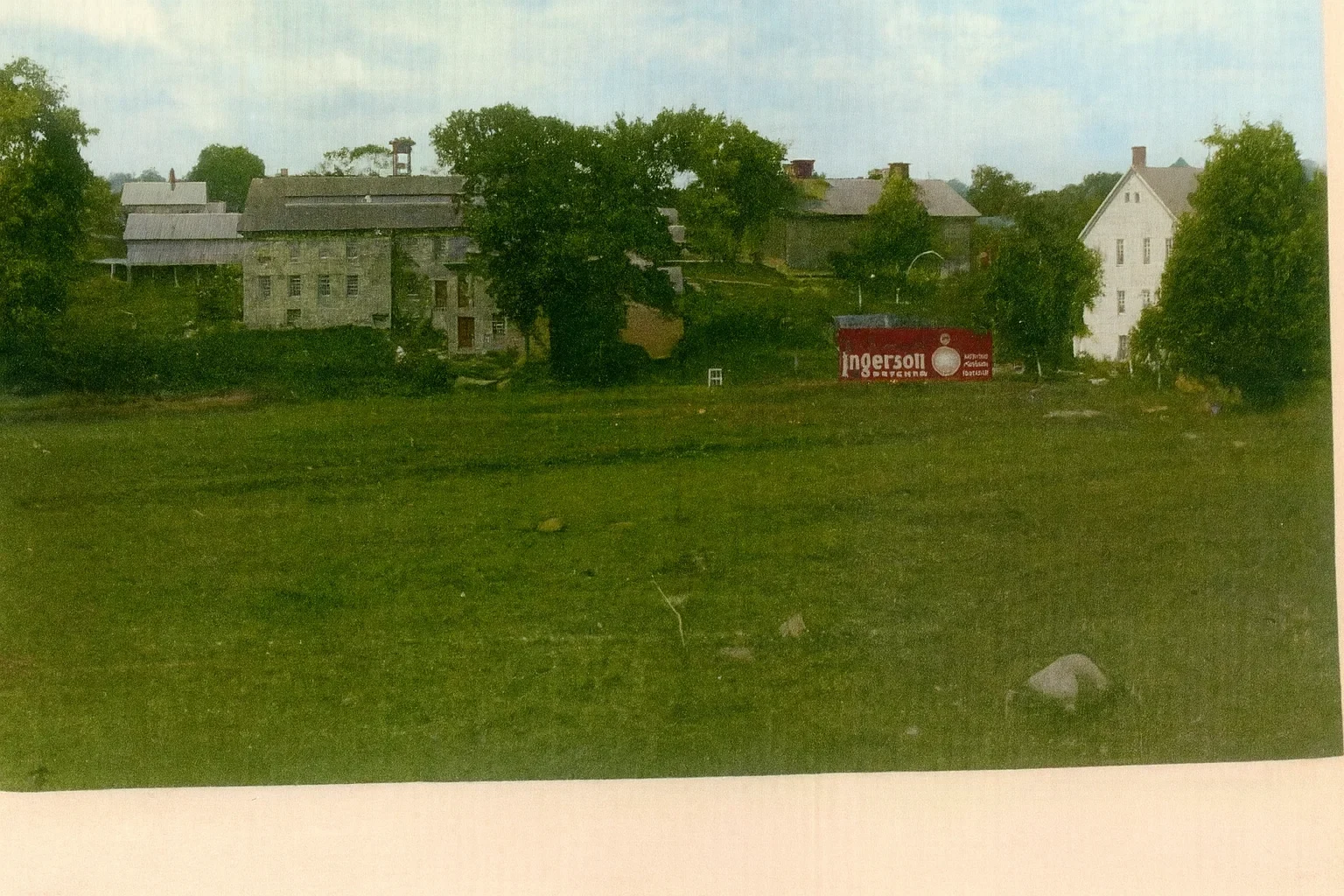
Mill..
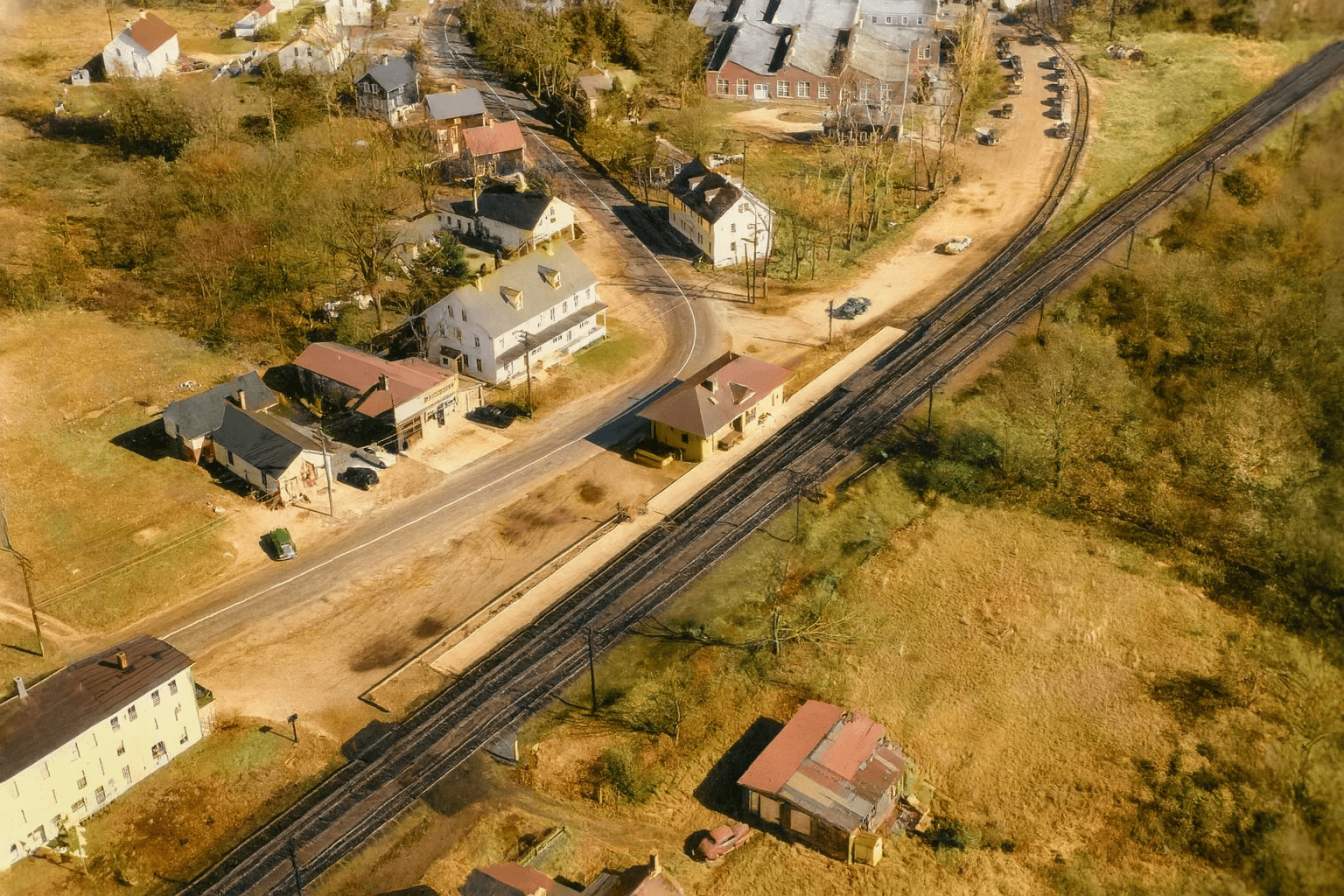
Post Office and Commercial Block…
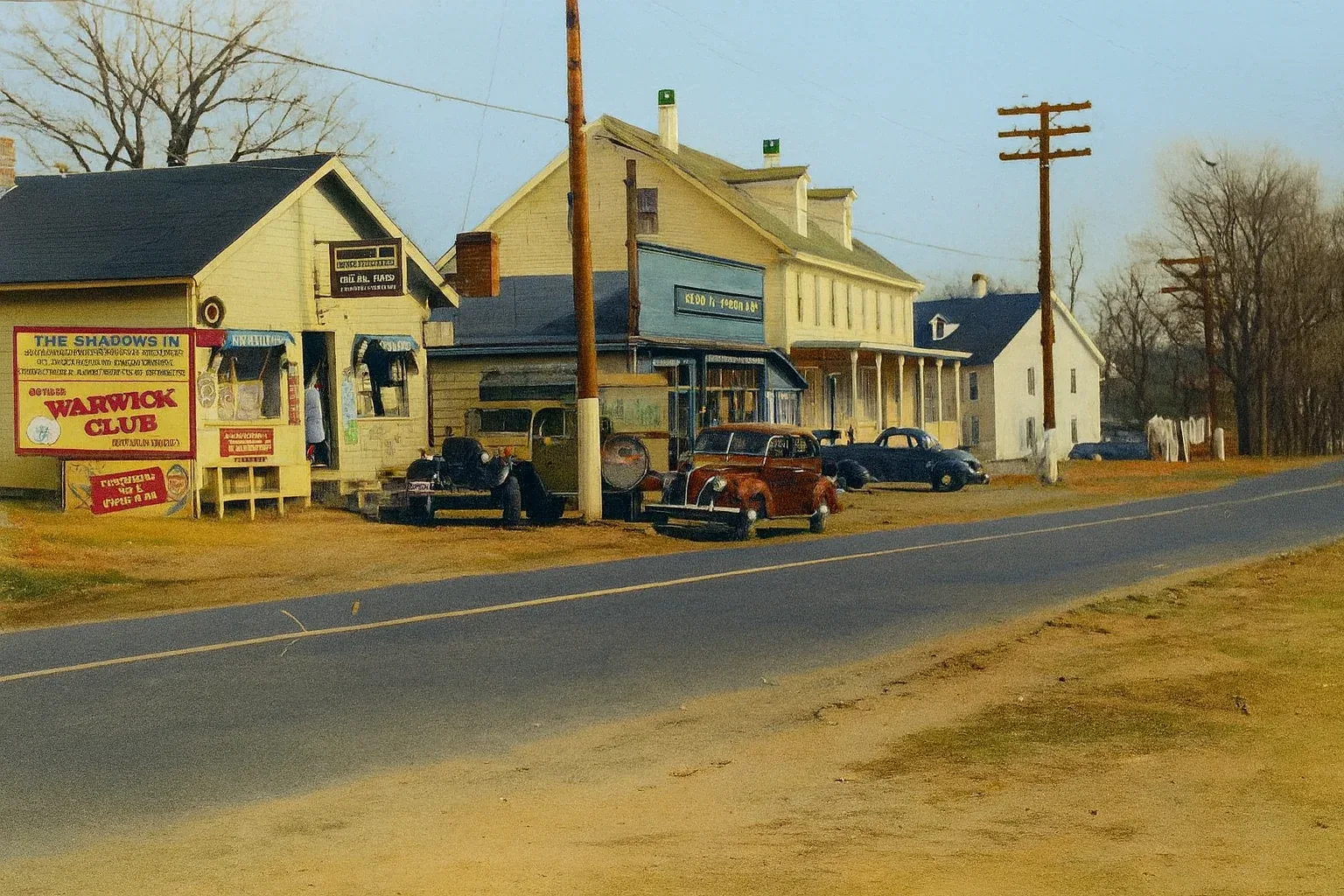
Shannock Spa…
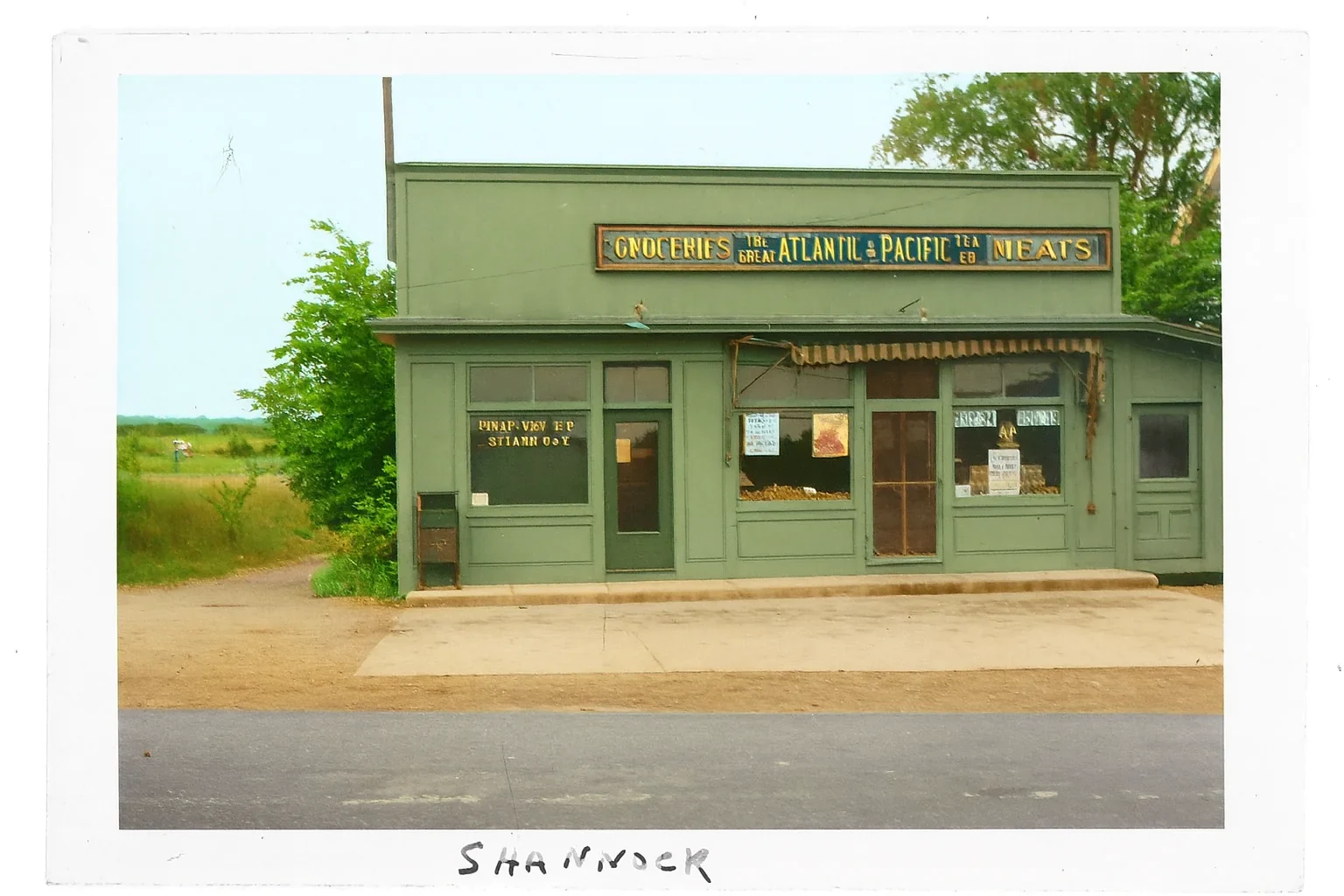
Great Atlantic and Pacific Company: A & P!!
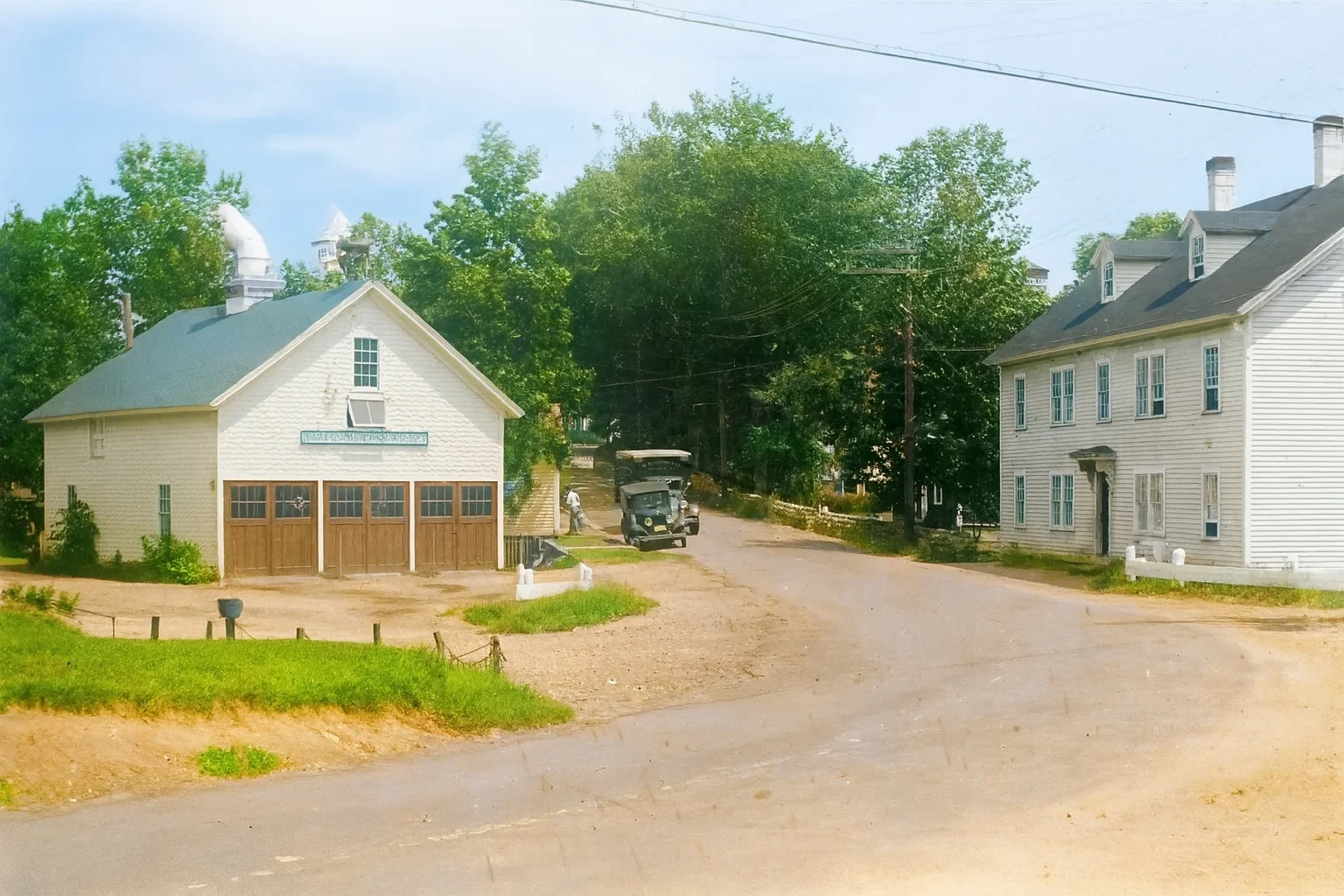
“Columbia Hose Company”: Local fire Department…
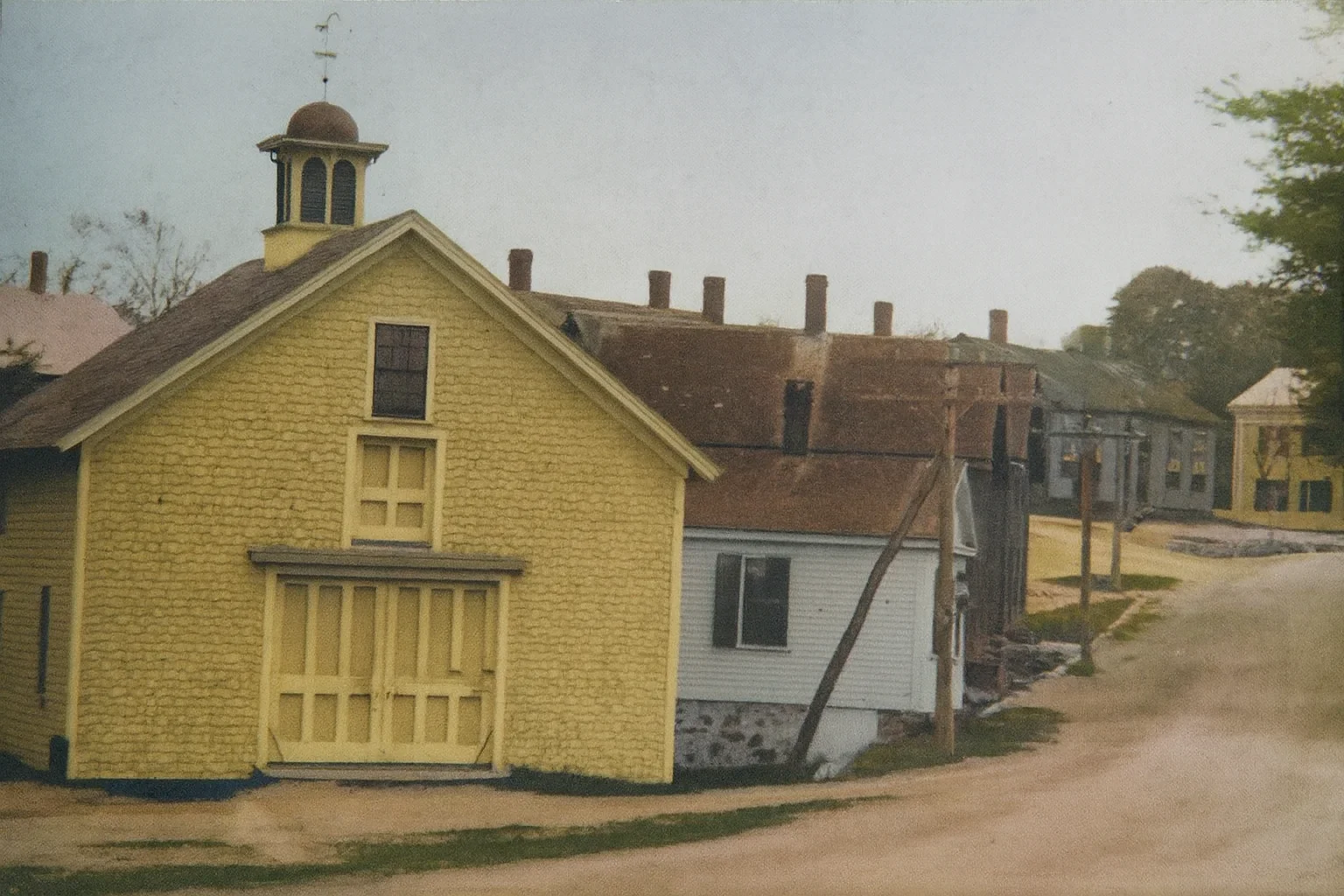
Cole’s Meat Market: Tiny building next to the old fire house…no longer standing…
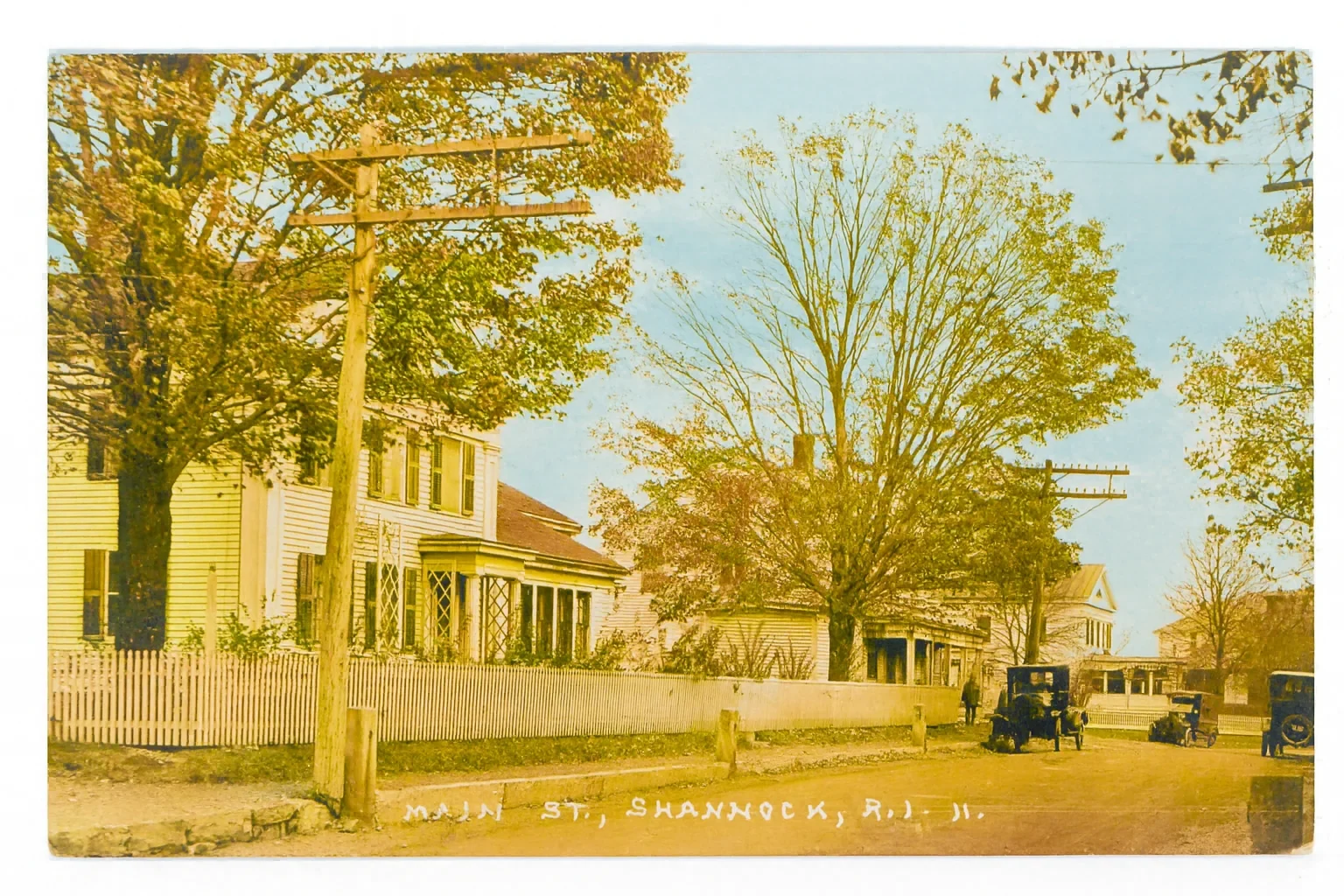
Main Street: George Perry Clark Home…built circa 1850…
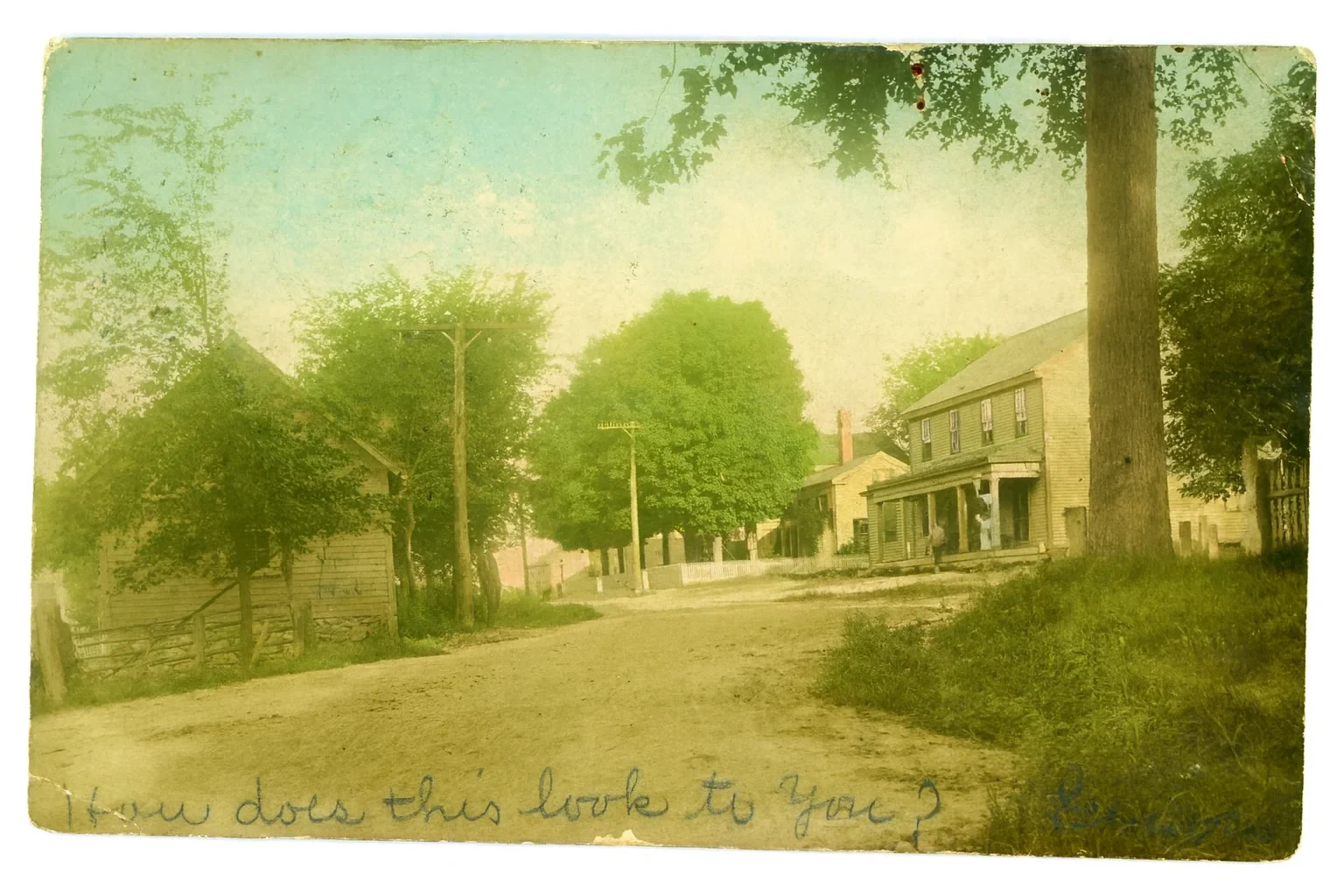
Main Street and North Road to the right…
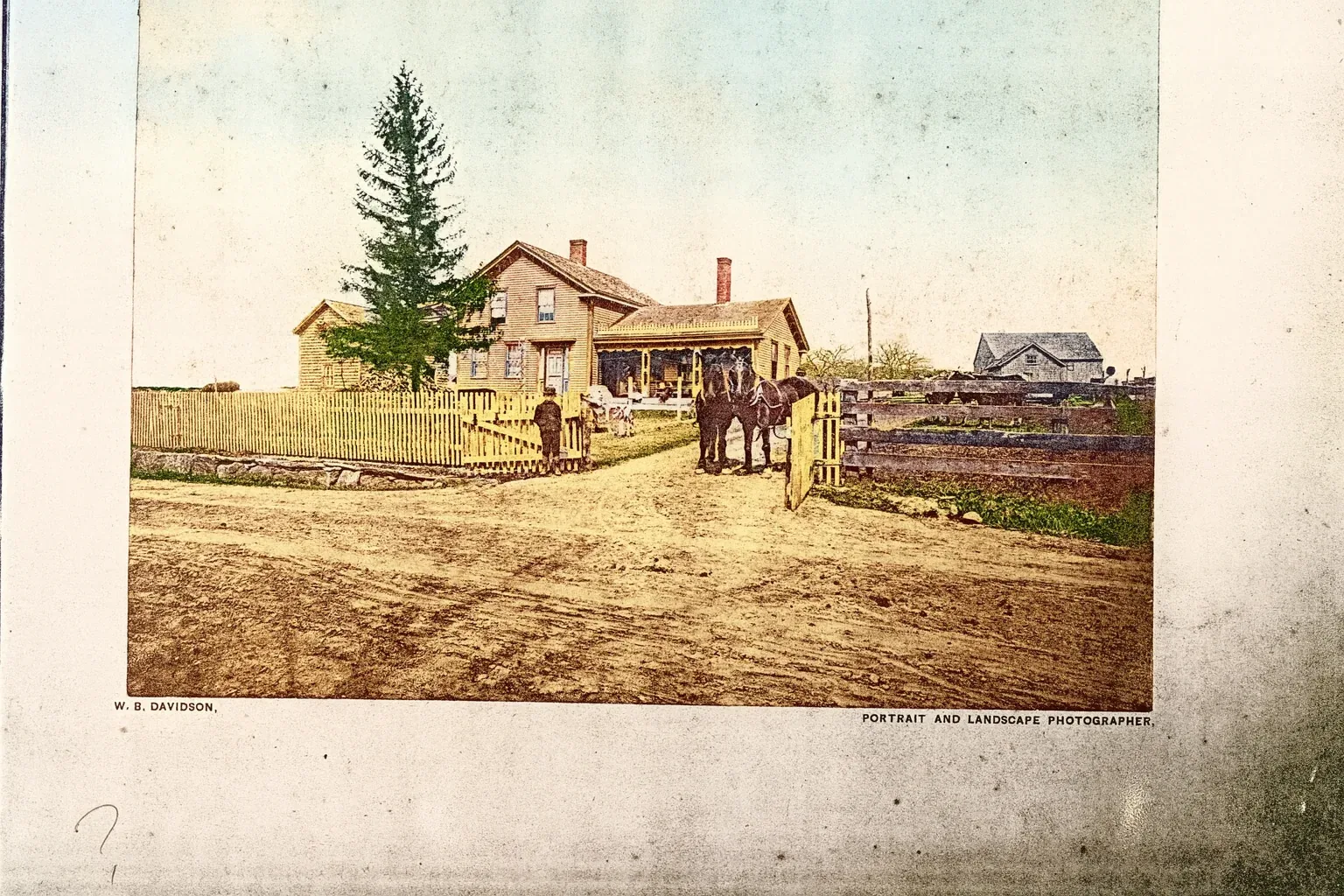
House and Barn, corner Main and West Shannock Road…
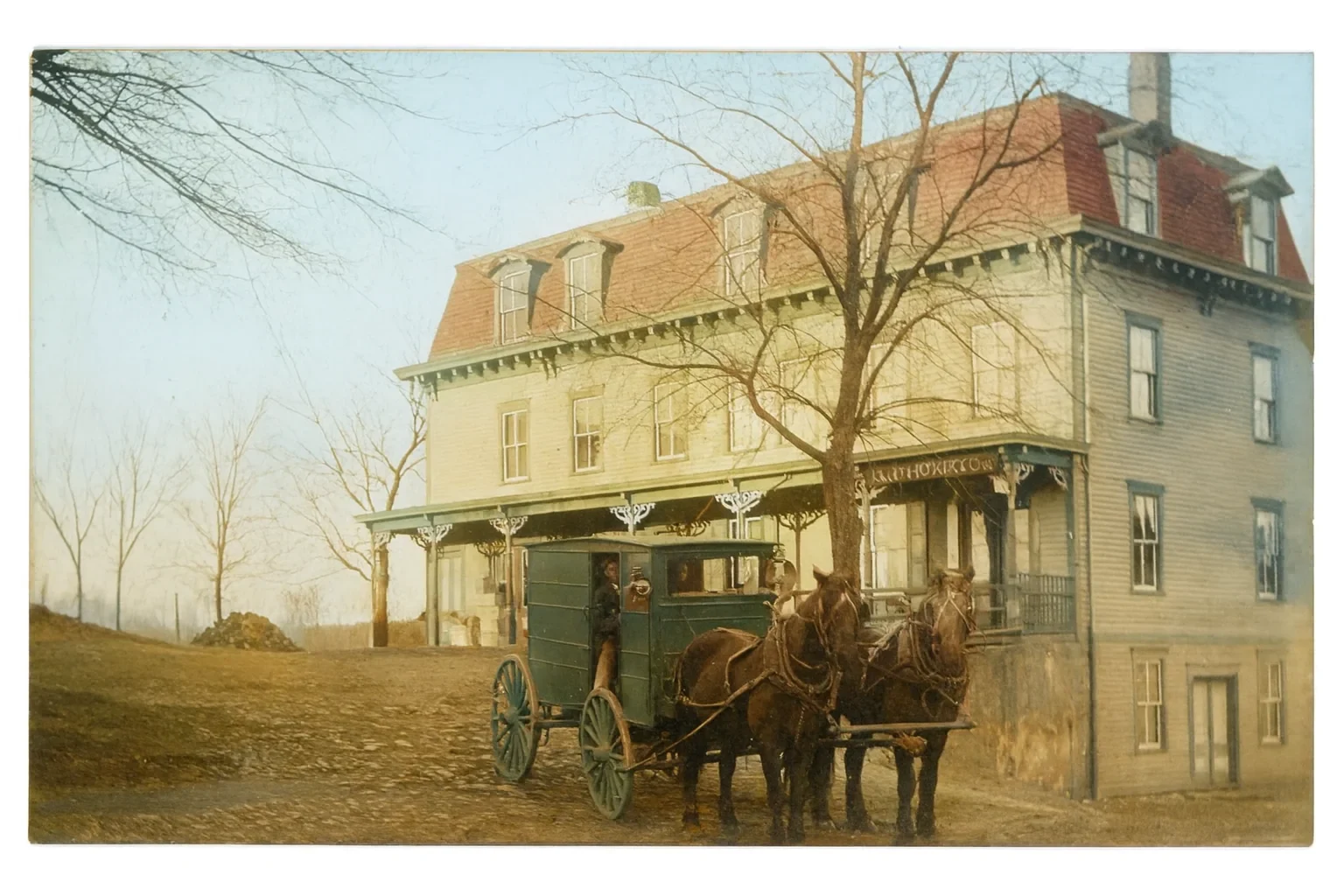
Hoxie Commercial Block: Barber, ice cream, groceries, and a Dance Hall on the top floor…
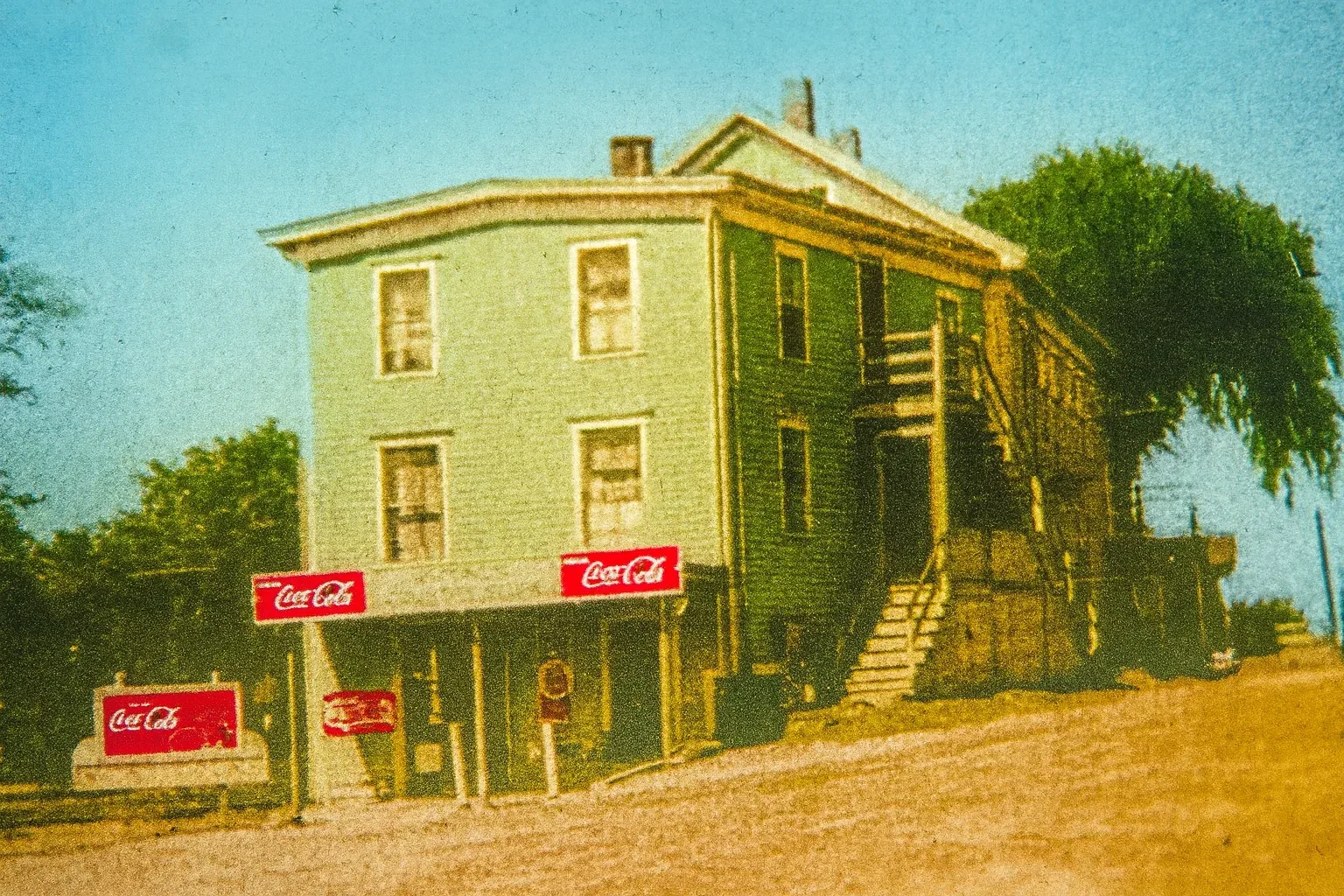
Whiting’s Penny Candy…
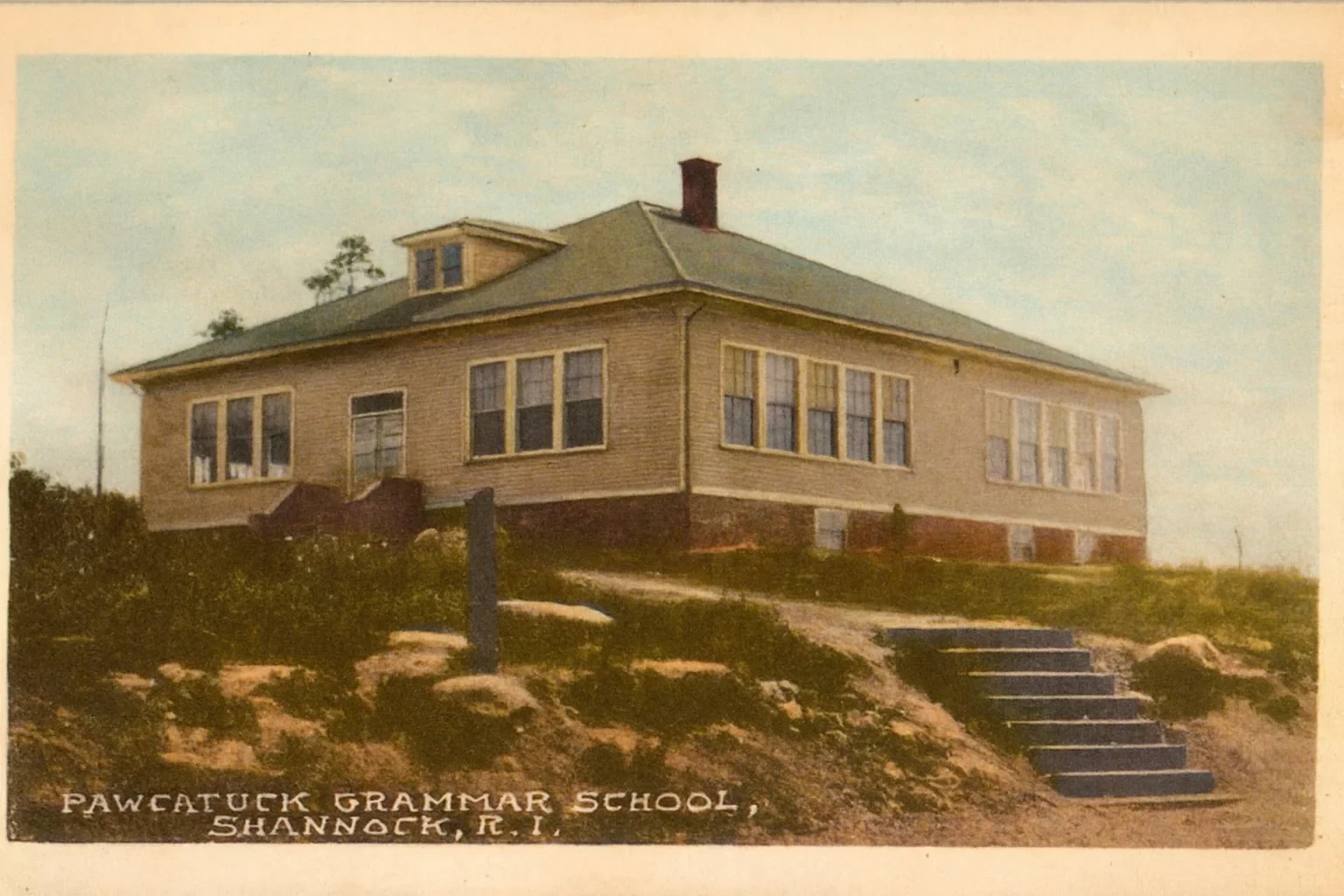
Pawcatuck Valley School, site of the current Charlestown Elementary School…
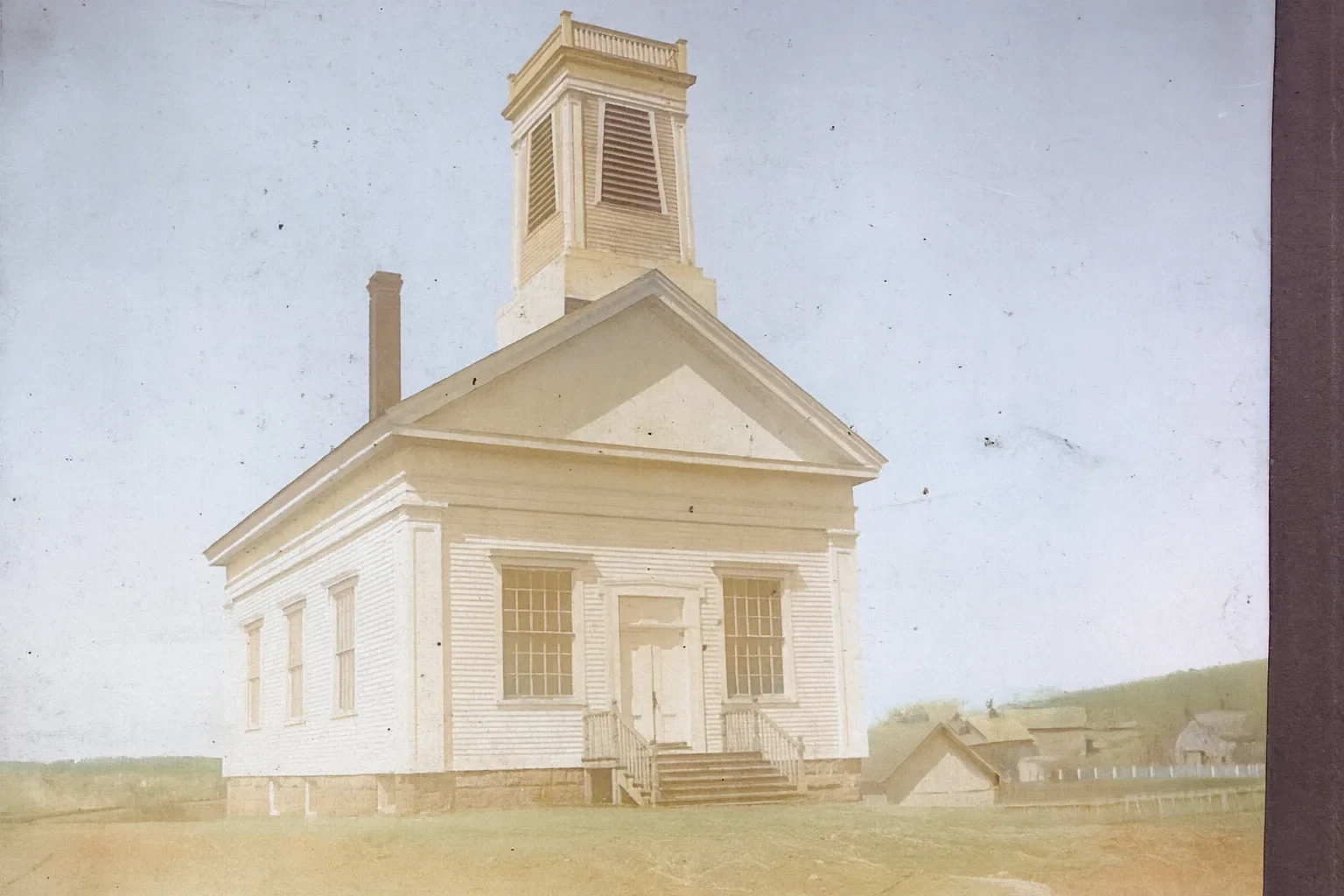
Original Shannock Baptist Church built in 1856, burned in 1899…
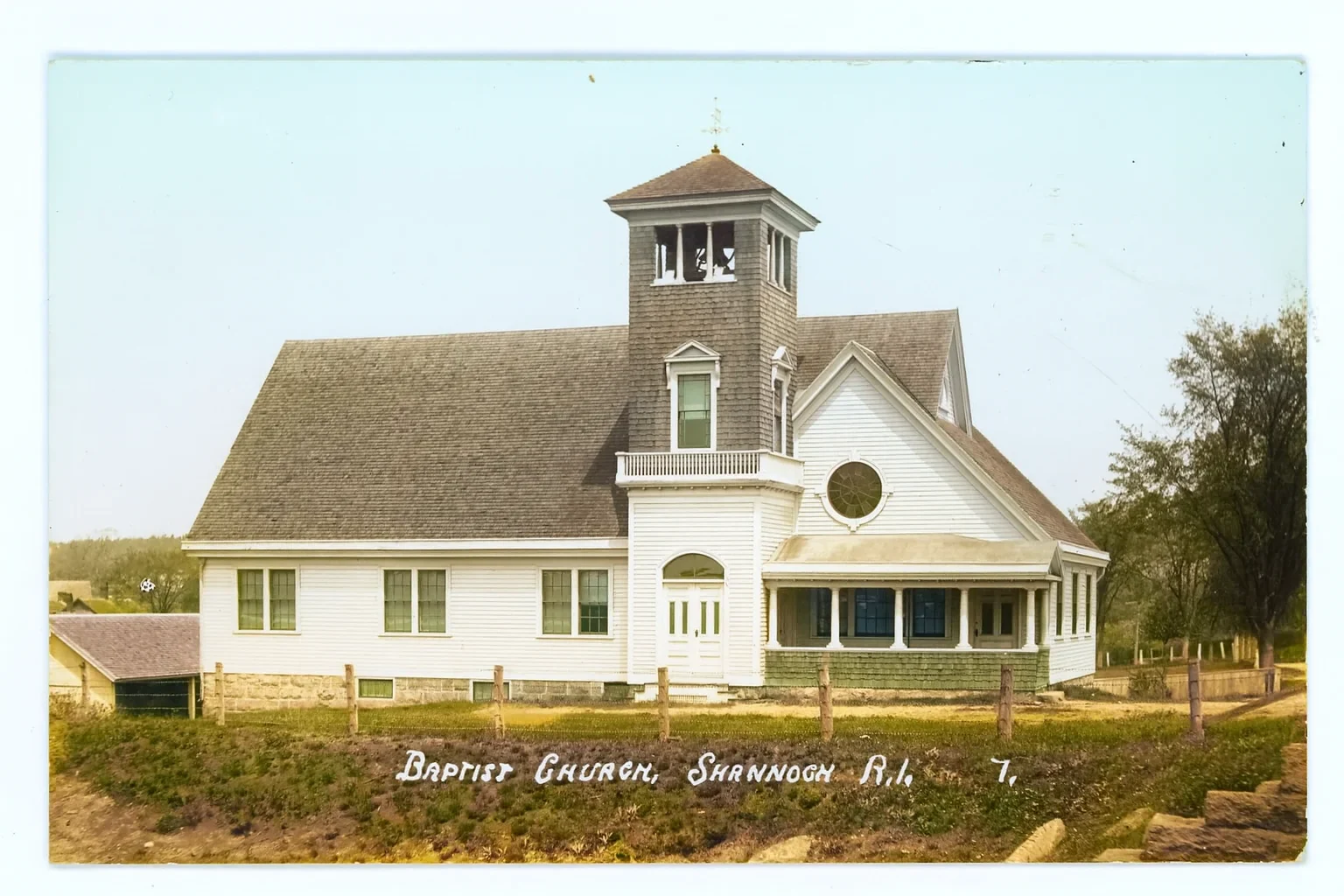
Rebuilt Church in 1901 on original site of former building…
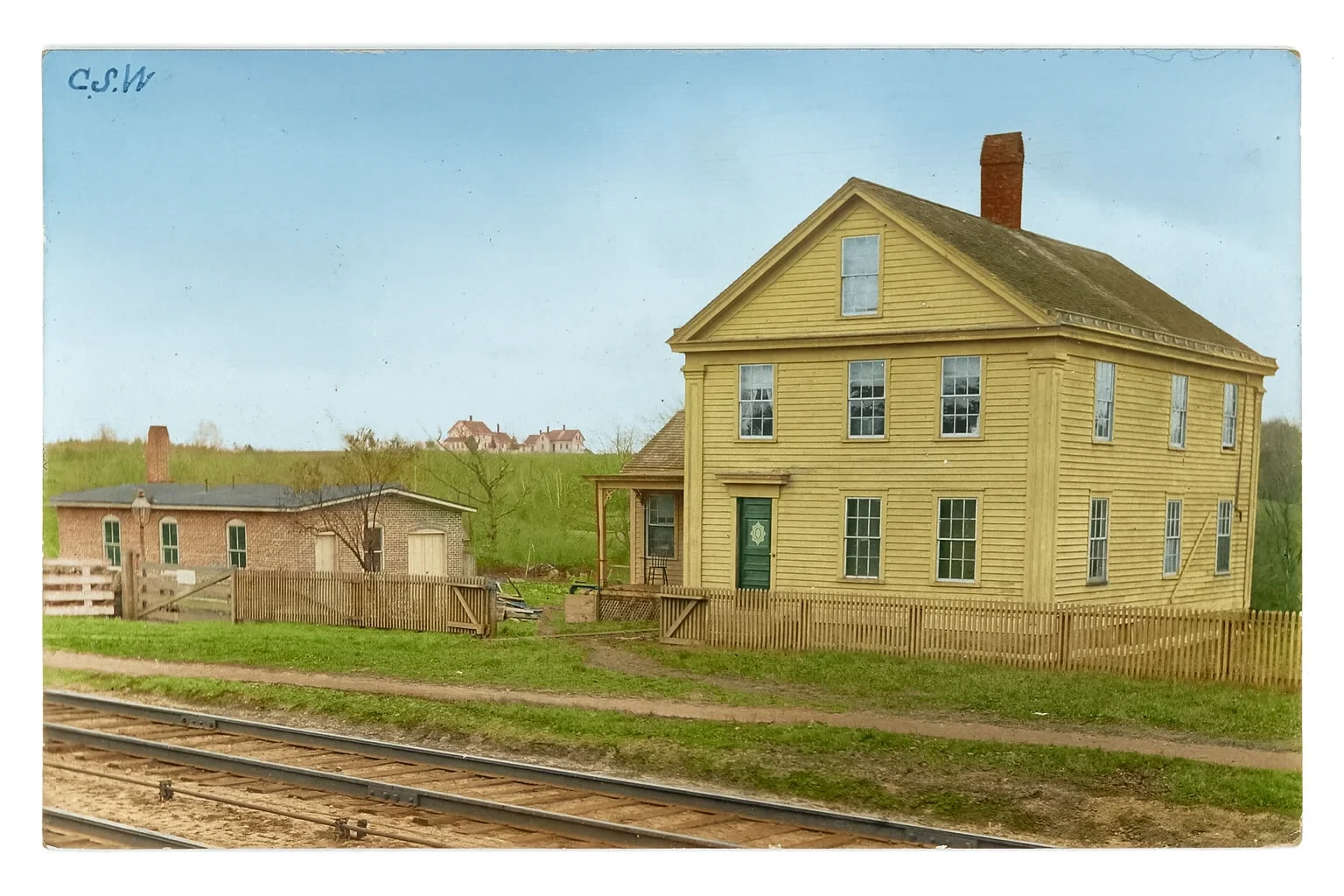
Brick Building housing Village Bakery..(No longer standing)…
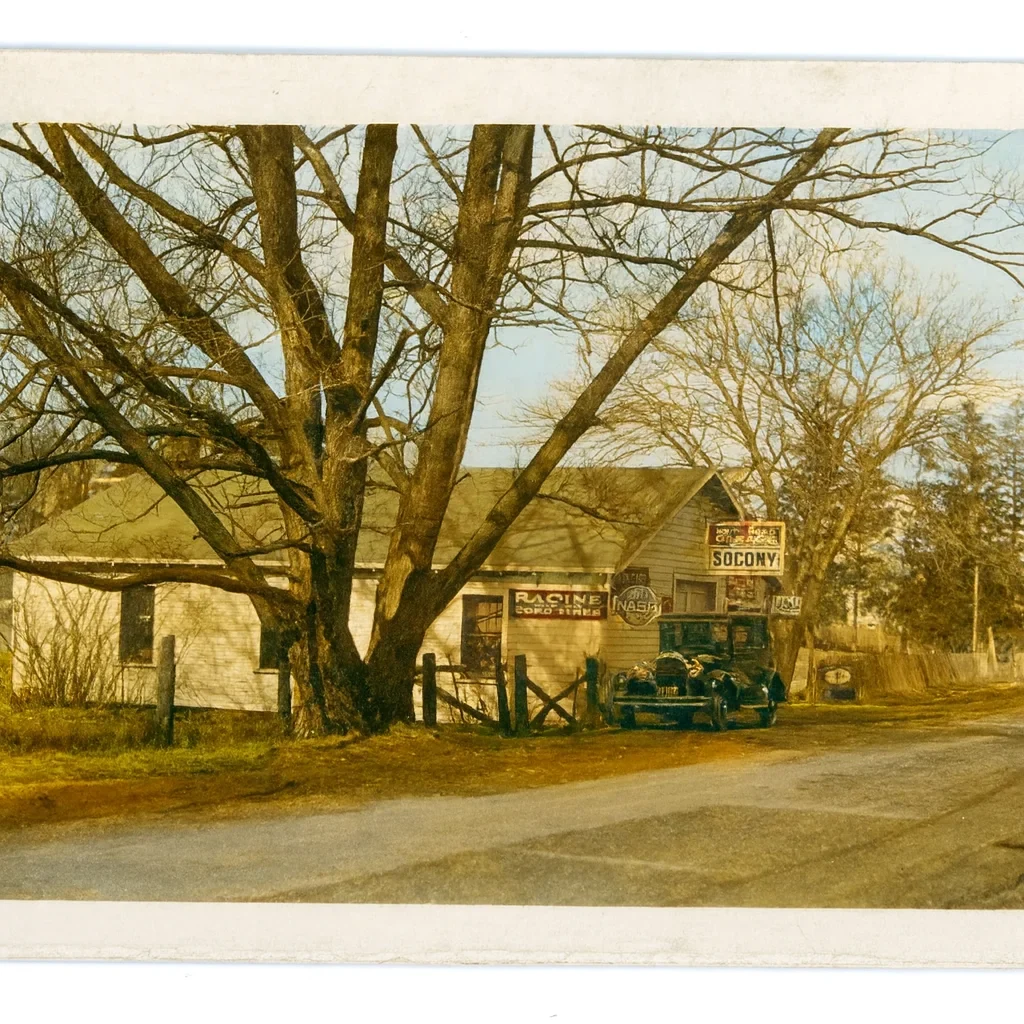
Gasoline available near the Lower Falls below Narragansett Hill….
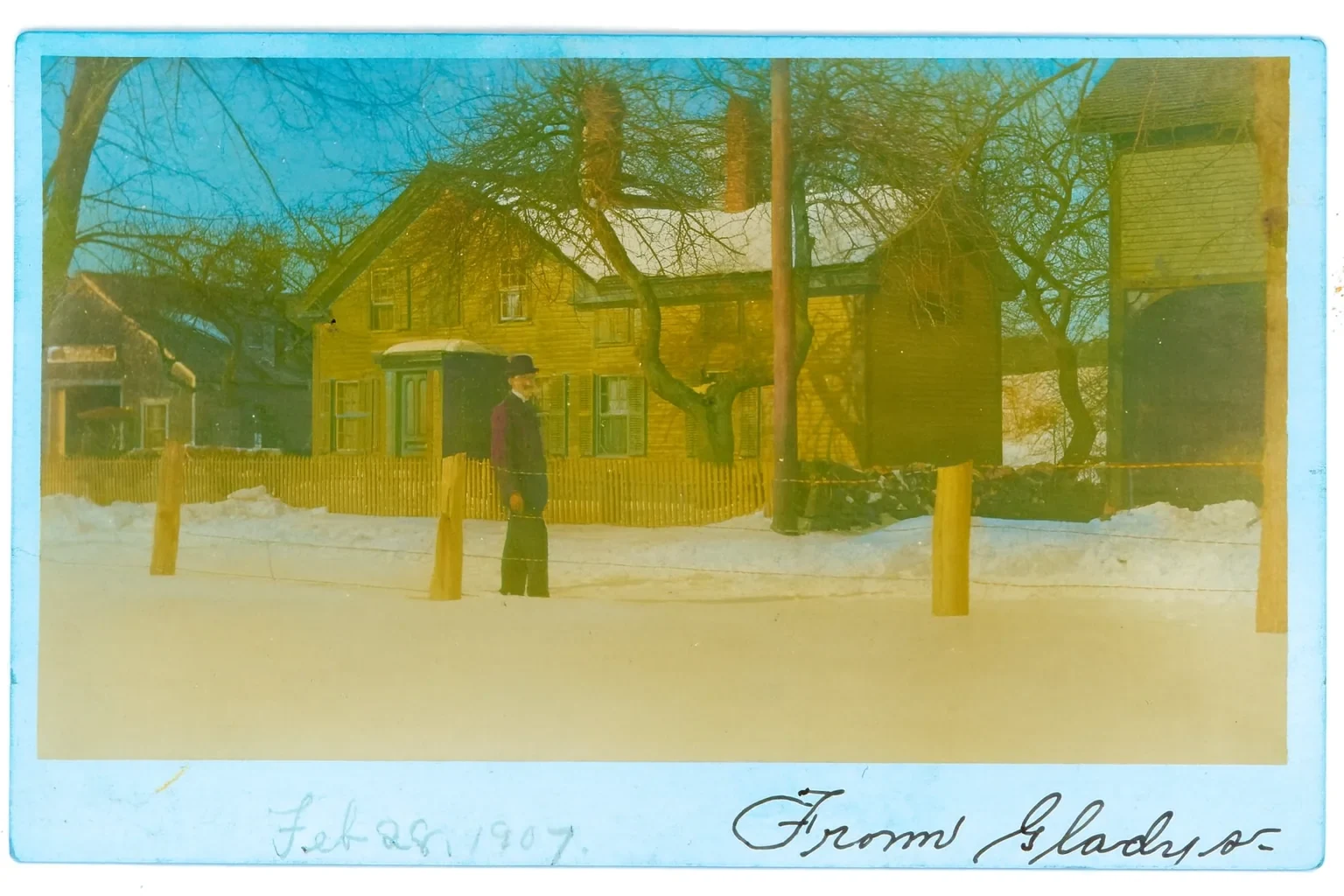
Home, still standing, next to the Hoxie Barn, long gone, and site of current Habitat For Humanity Supply Building…
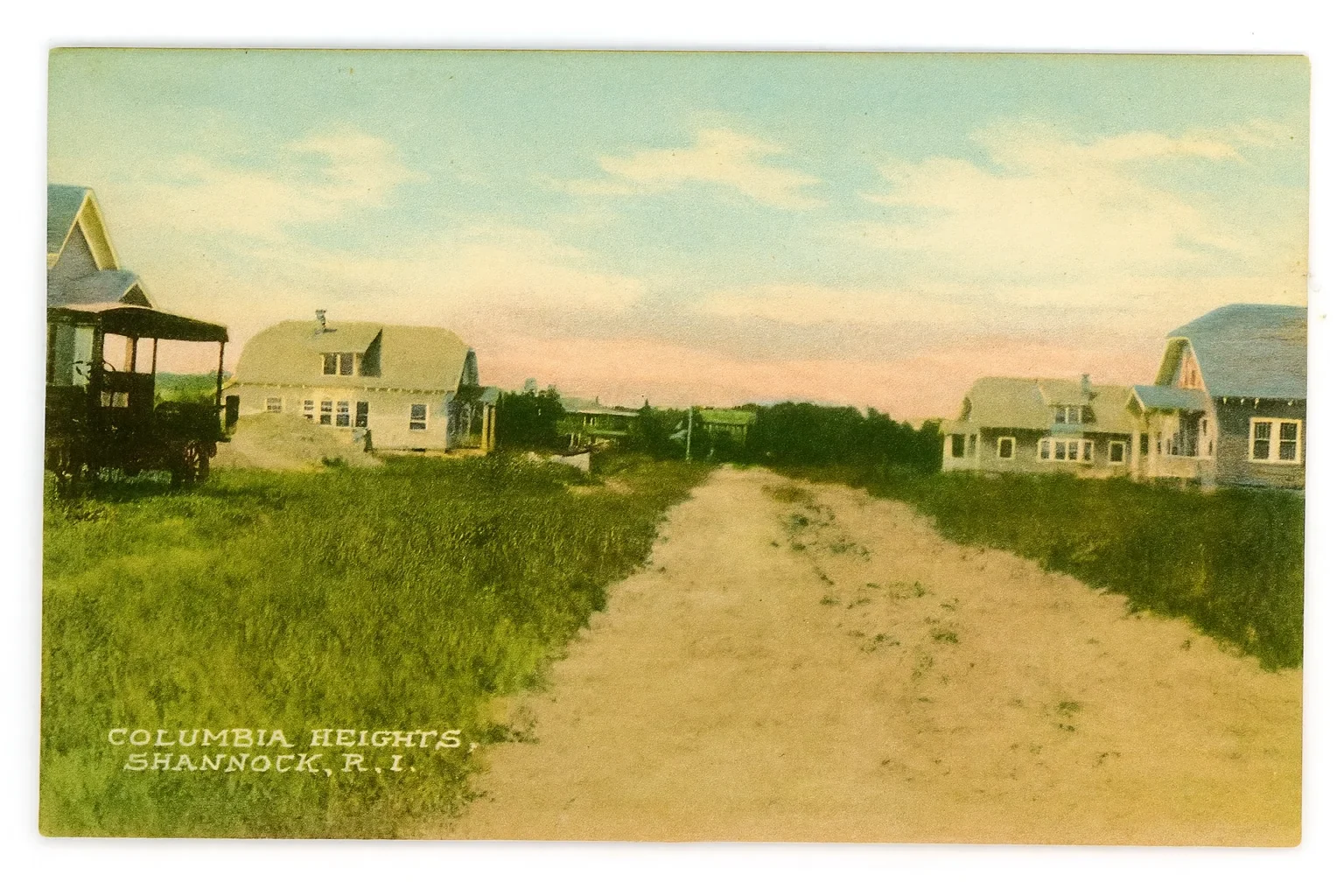
George P. Clark , in 1918, on the development of what is known today as Columbia Heights: “The improvements made in the plant itself naturally suggested others for the accommodation of our employees and the consideration of this necessity led to the purchase of 50 acres for the establishment of a model village on what is know as Card’s Hill. It was our purpose to depart as far as possible from the hard and fast method of erecting mill tenements that has singularly been held to by mill owners generally in New England. To provide homes that were not only attractive as to their settings and general appearance, but to give comforts comparable with the best city homes erected for those of moderate means”. “We held to the idea that if we made our people comfortable, and contented, we would reap the reward in long continued service of the class of help that conduces to desirable production”.
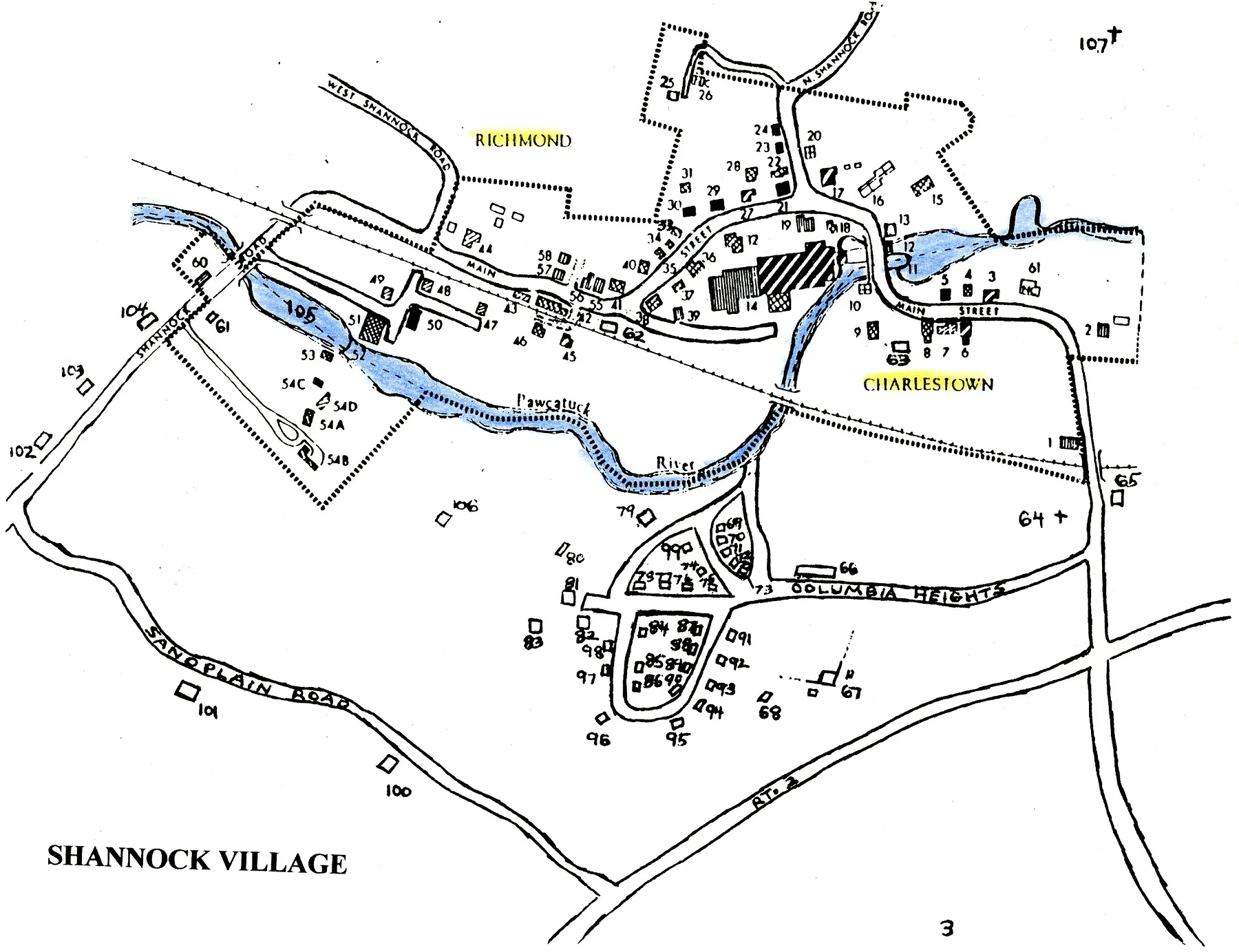
The village by 1918 had expanded to include the newly constructed Columbia Heights addition to the village. George P. Clark proudly described the new neighborhood: “Each of these houses is provided with hot and cold water, electric lights, model baths and sanitary arrangements, and steam-heating plants. Hardwood floors are laid in every room…..and each house or tenement has a full-sized basement. In addition to the ample yard room provided for each family, which meant that flowers will be cultivated, we have set aside a ten-acre plat further back on the hill, and there the tenants are privileged to keep poultry and to keep garden truck”.