

Heading back in time…
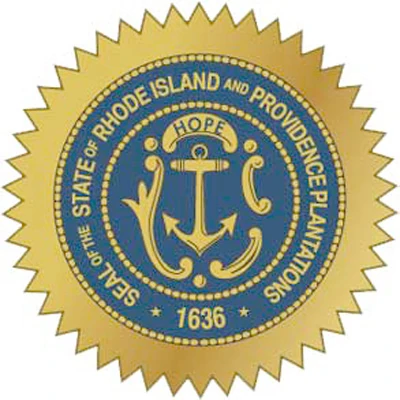
Where? The State of Rhode Island And Providence Plantations with “Providence Plantations” not officially dropped until 2020.
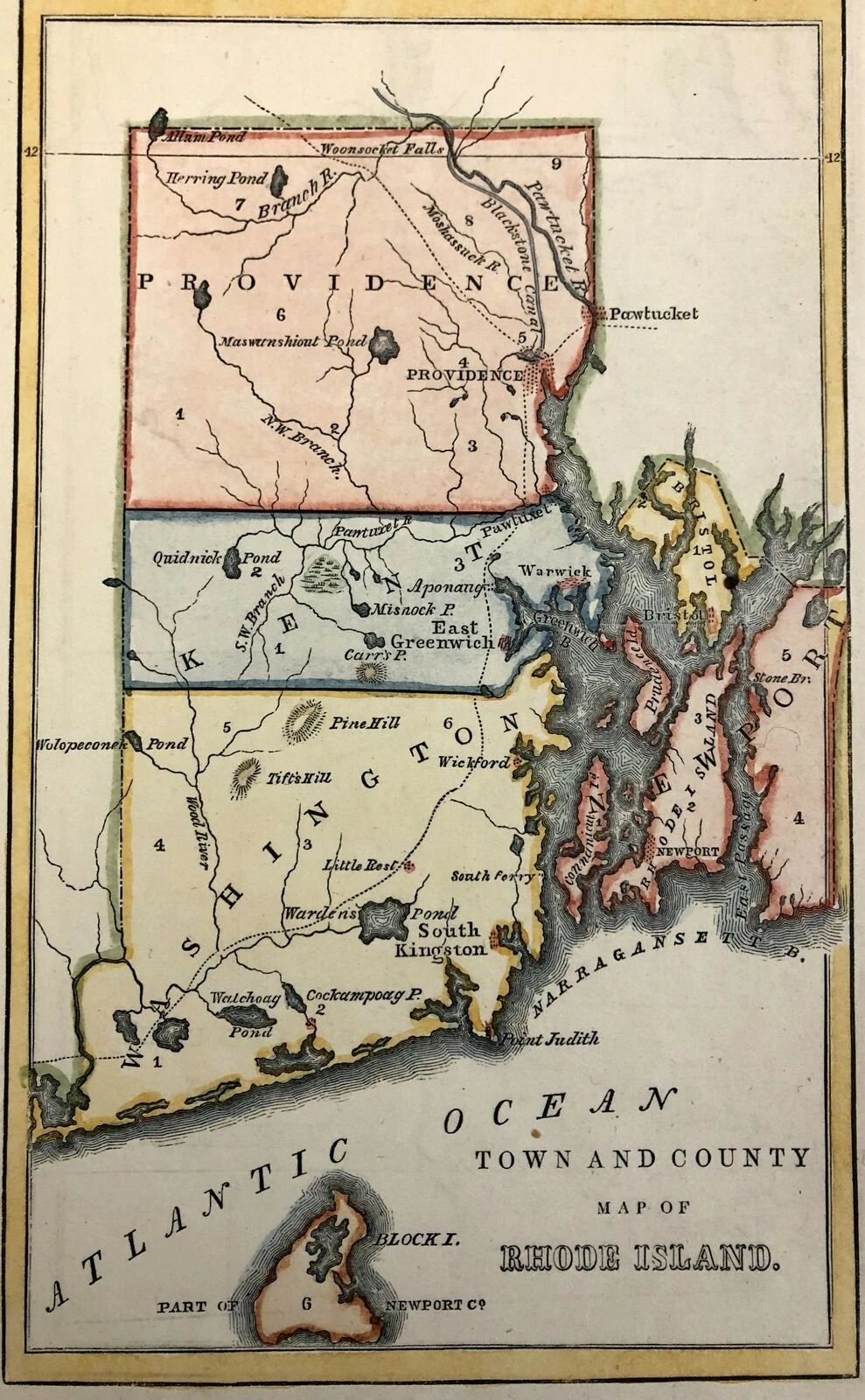
Officially Washington County, Rhode Island
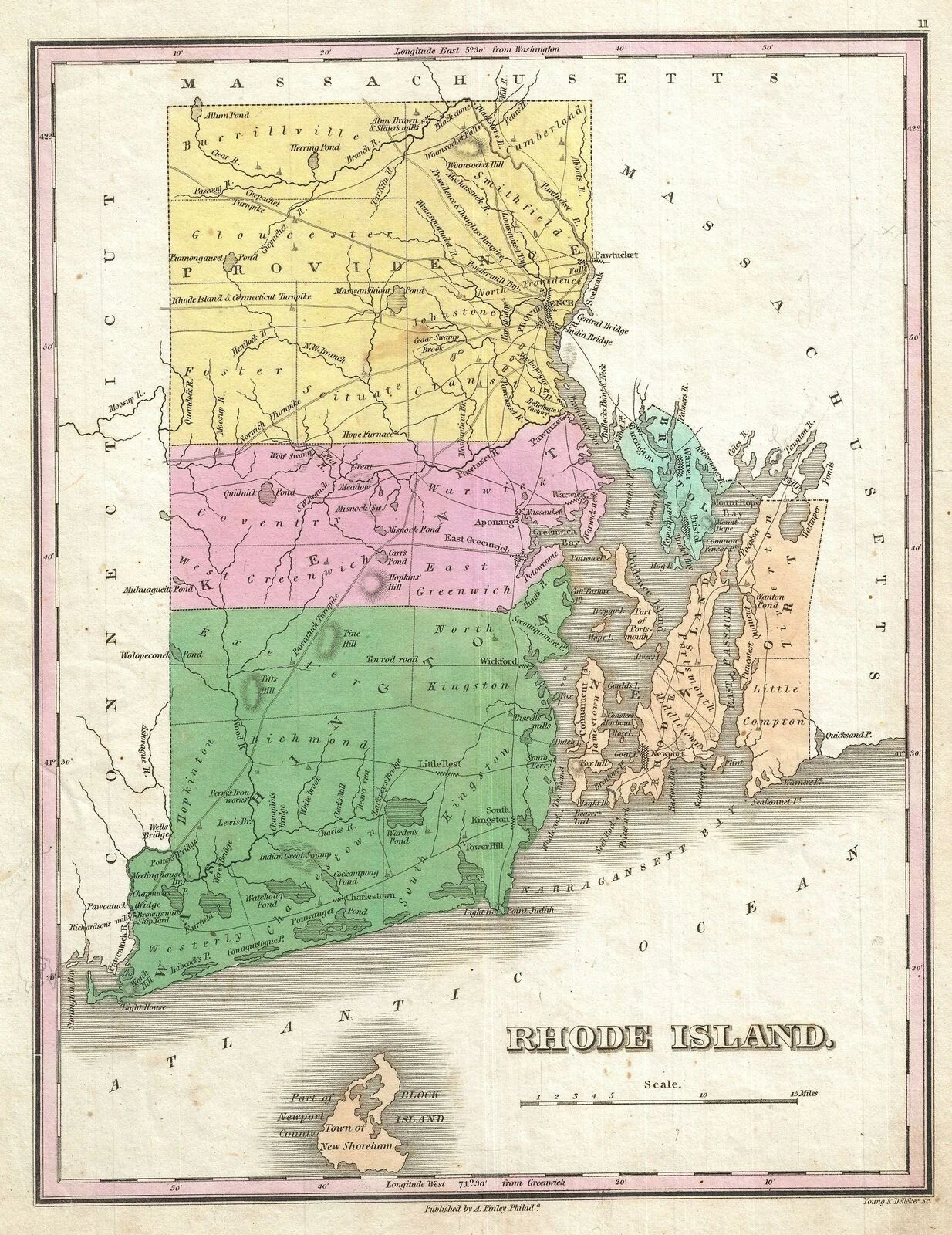
In Green: AKA “The Narragansett Country:
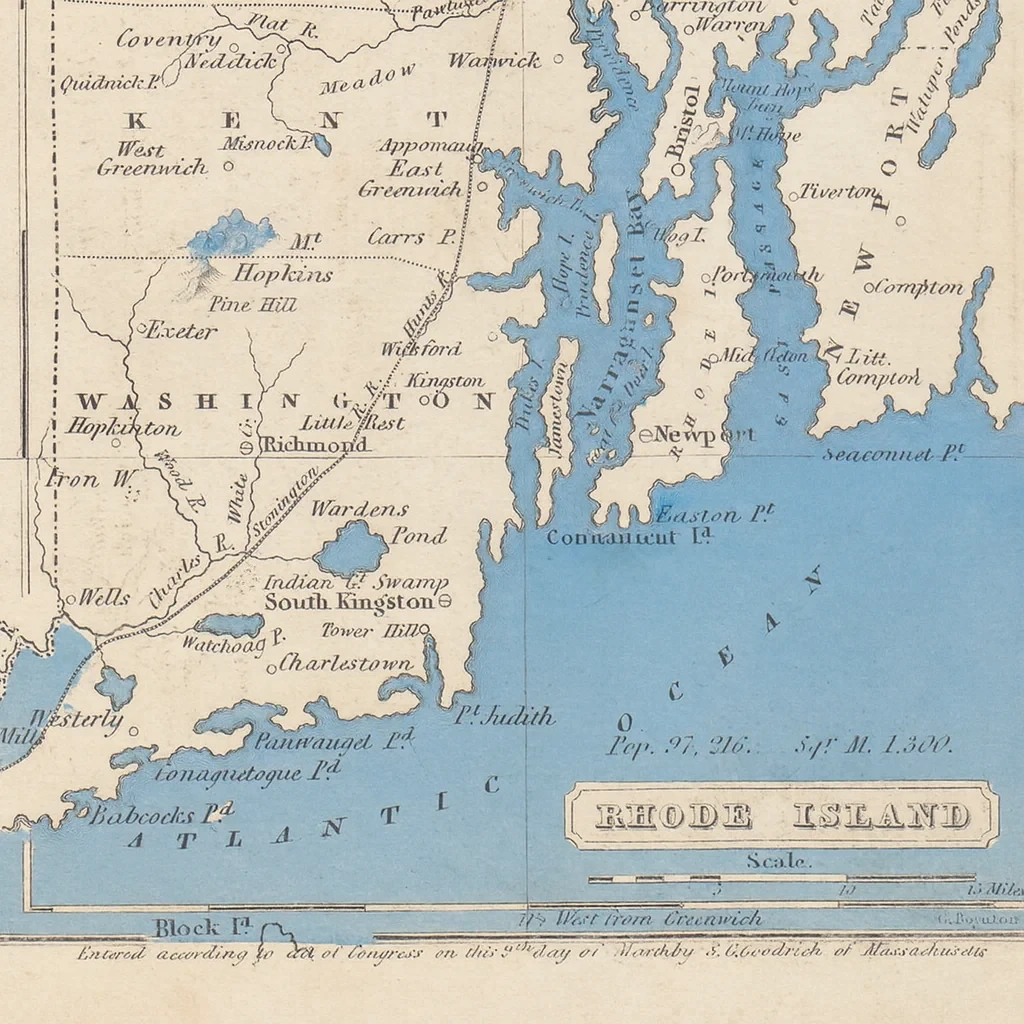
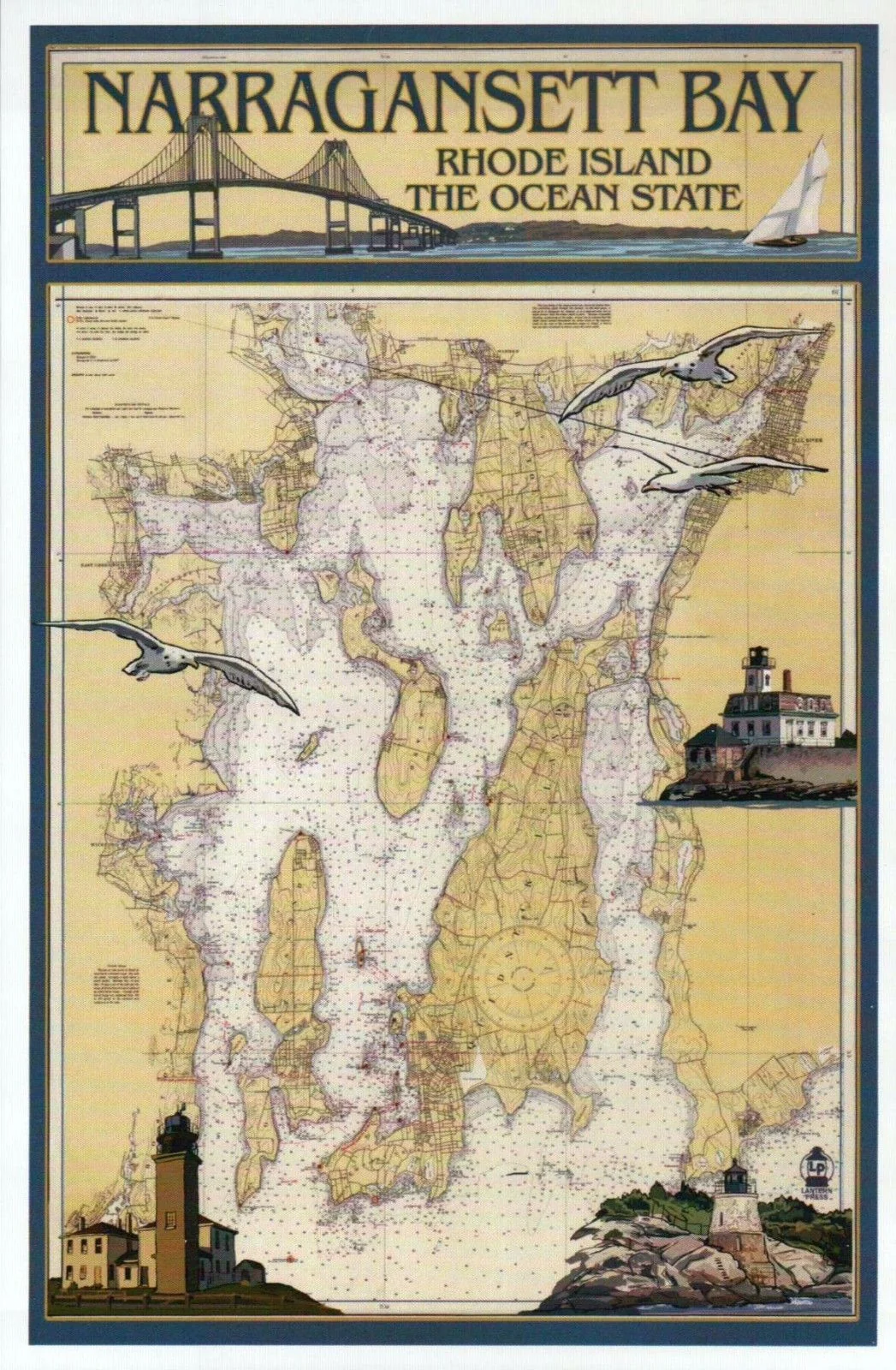
The Atlantic Ocean and Narragansett Bay
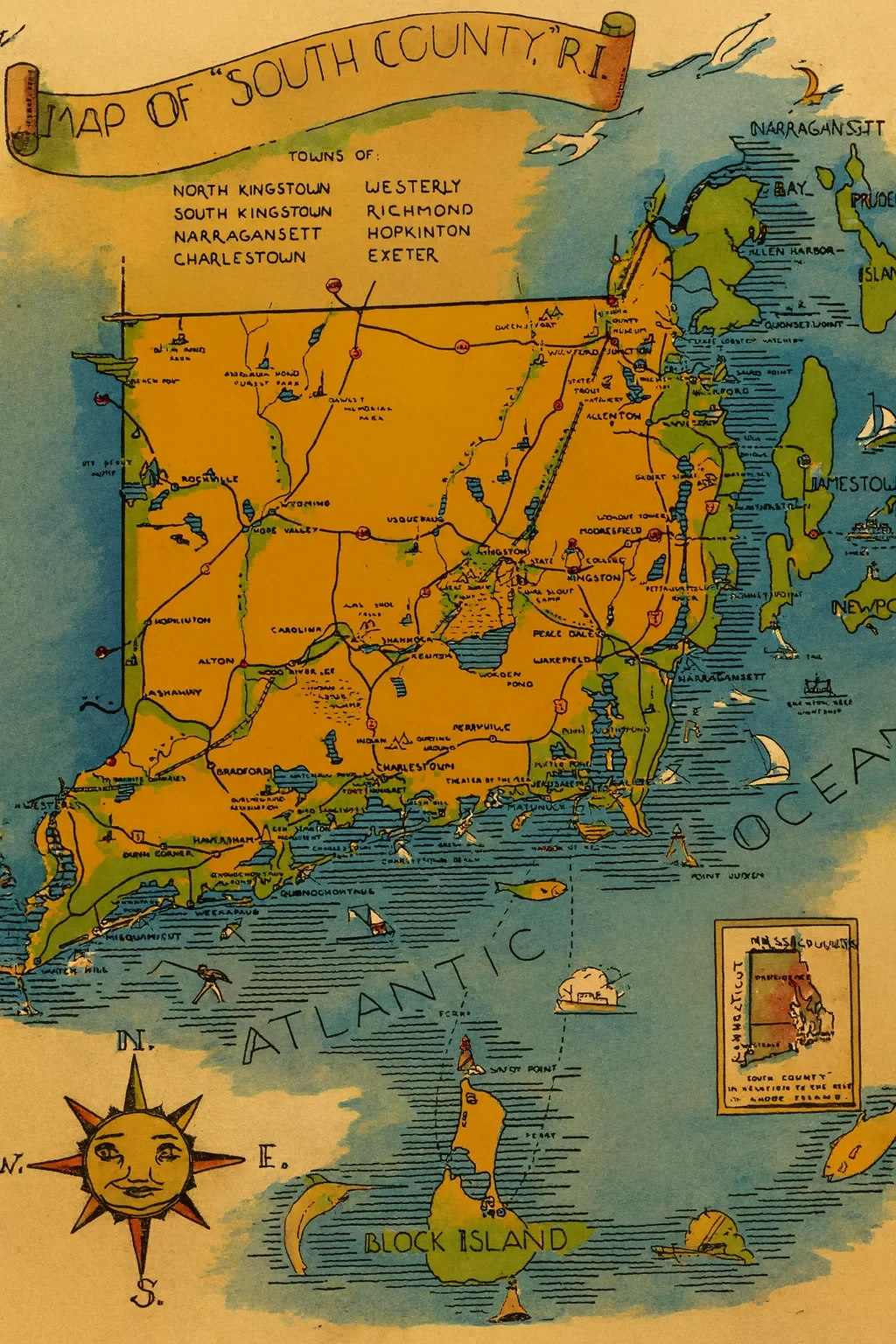
AKA “South County”
Part of the story starts with 4 brothers leaving England in 1637 for the Massachusetts Bay Colony and ending up among the first founders of Rhode Island…It is this direct line that enables the observation of the history of Shannock Village over 9 generations.
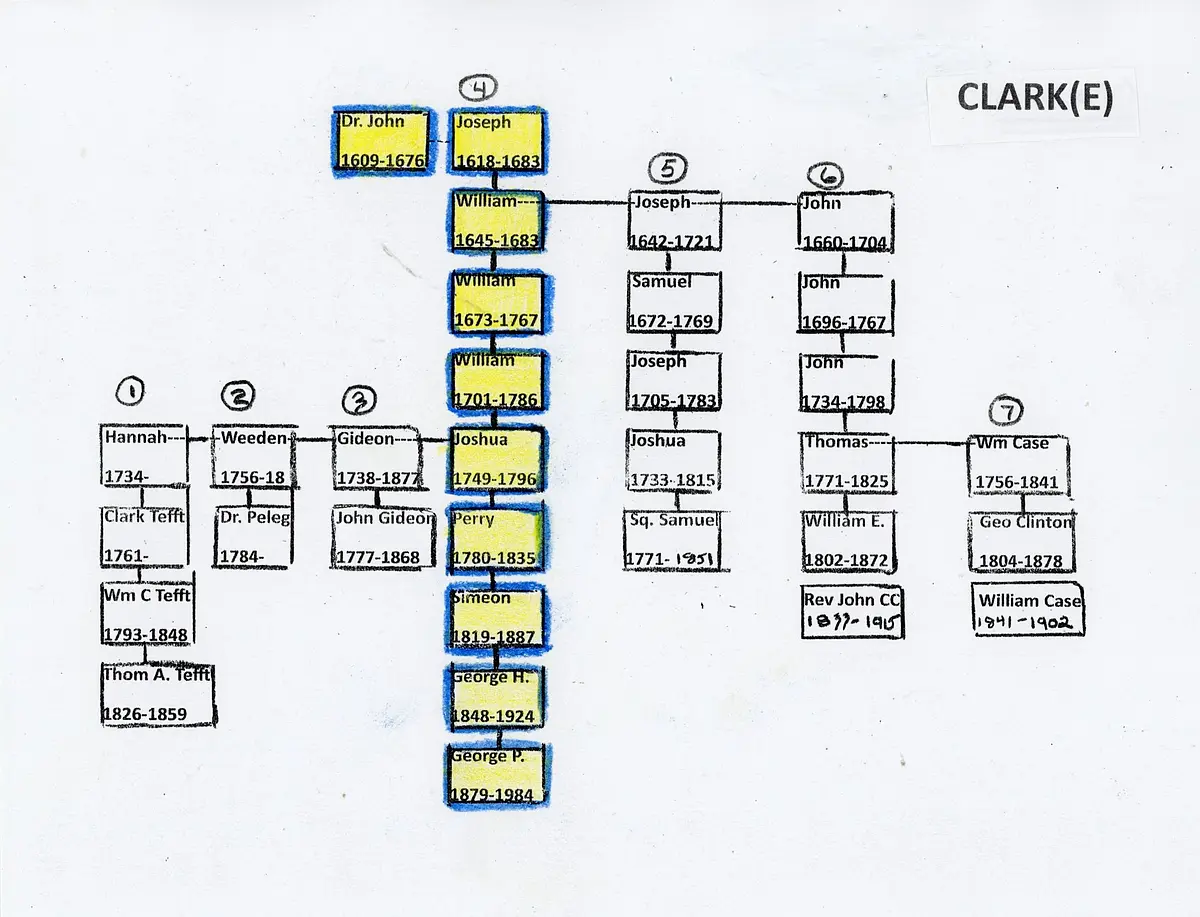
The Clark(e) Genealogy…
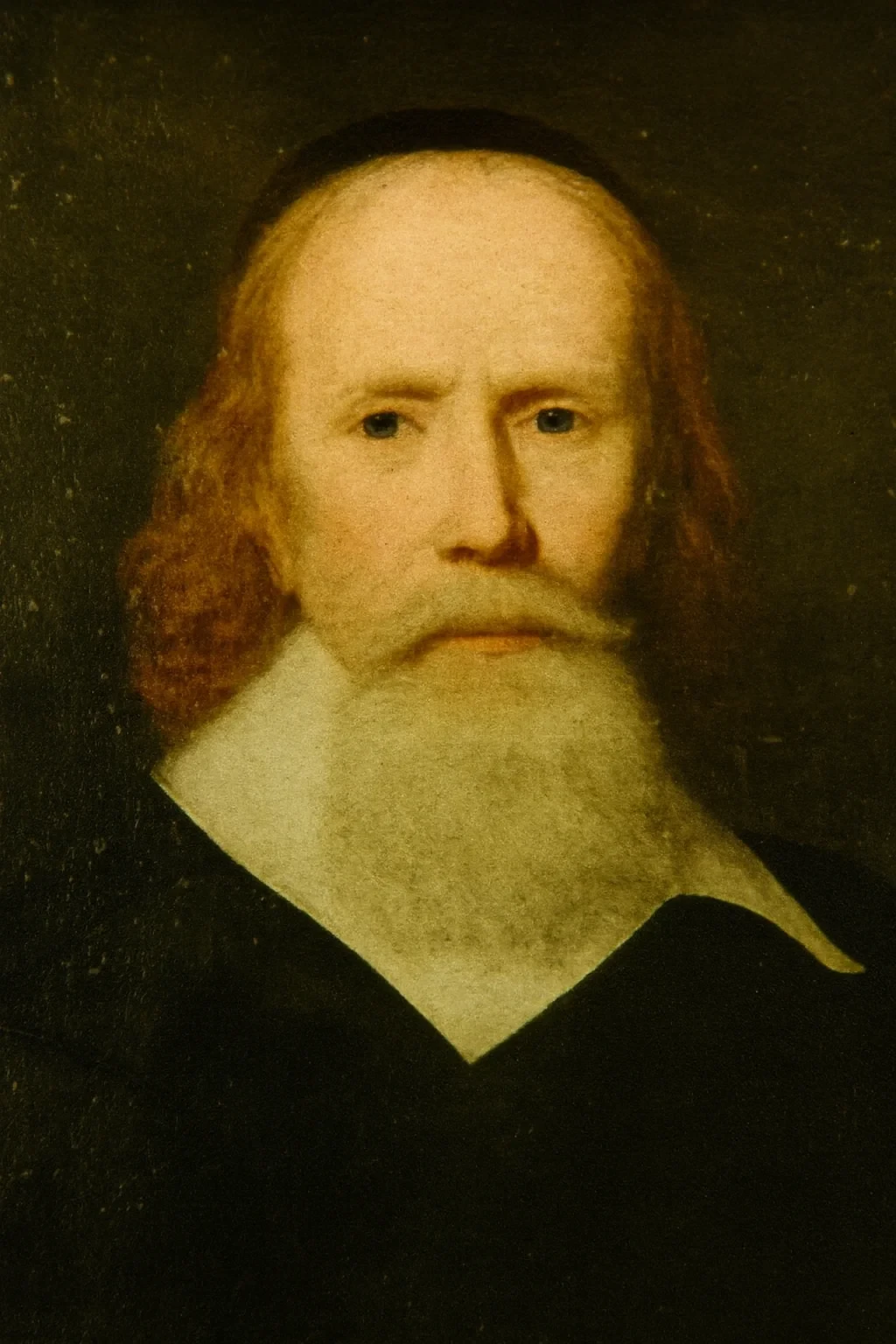
One of the brothers: Dr. John Clarke (1609-1676)…
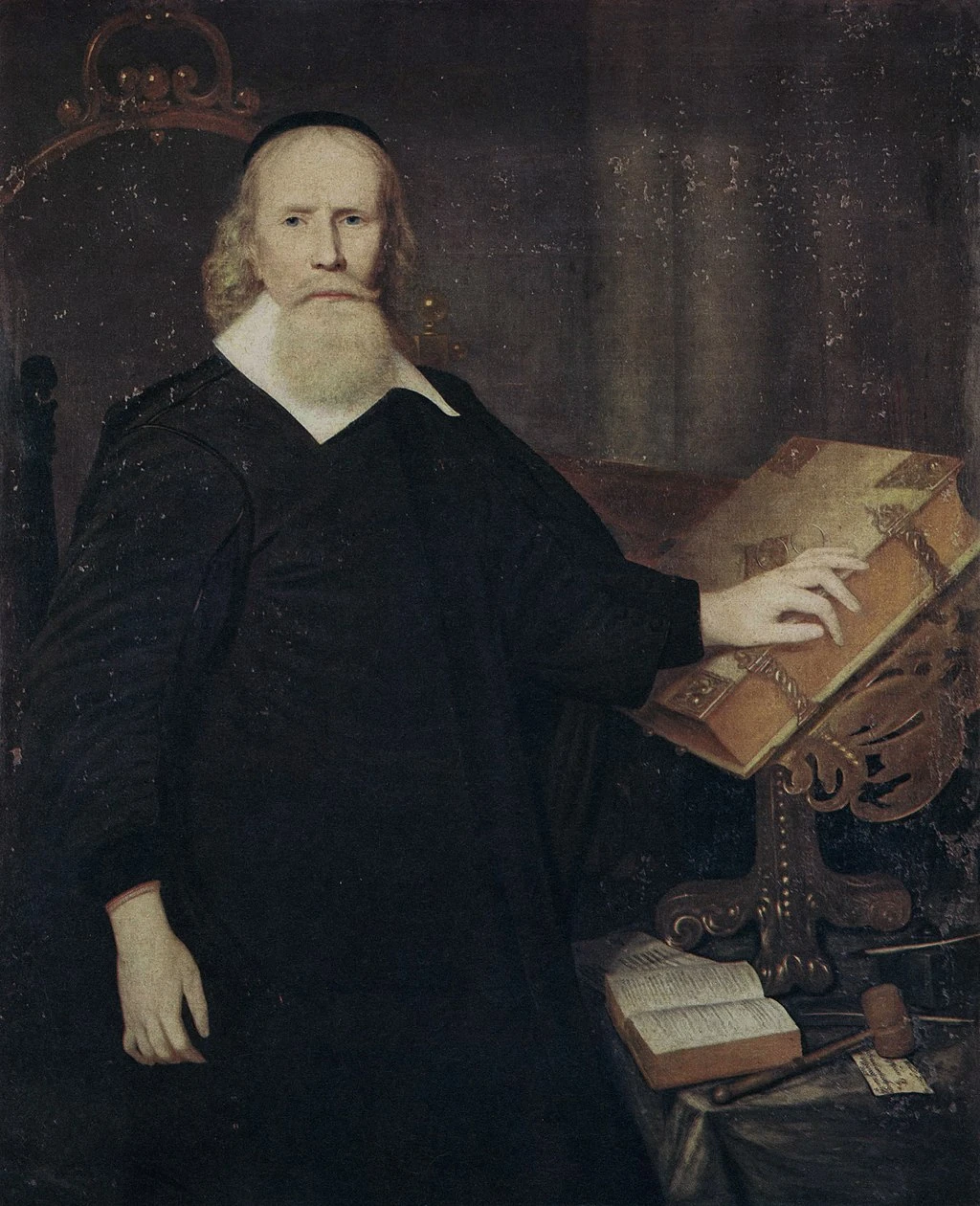
He described the young Colony as “A Lively Experiment”
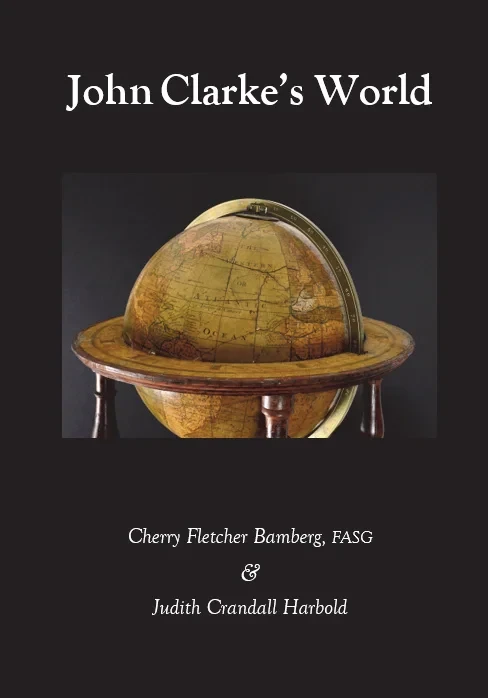
Friend of Roger Williams…
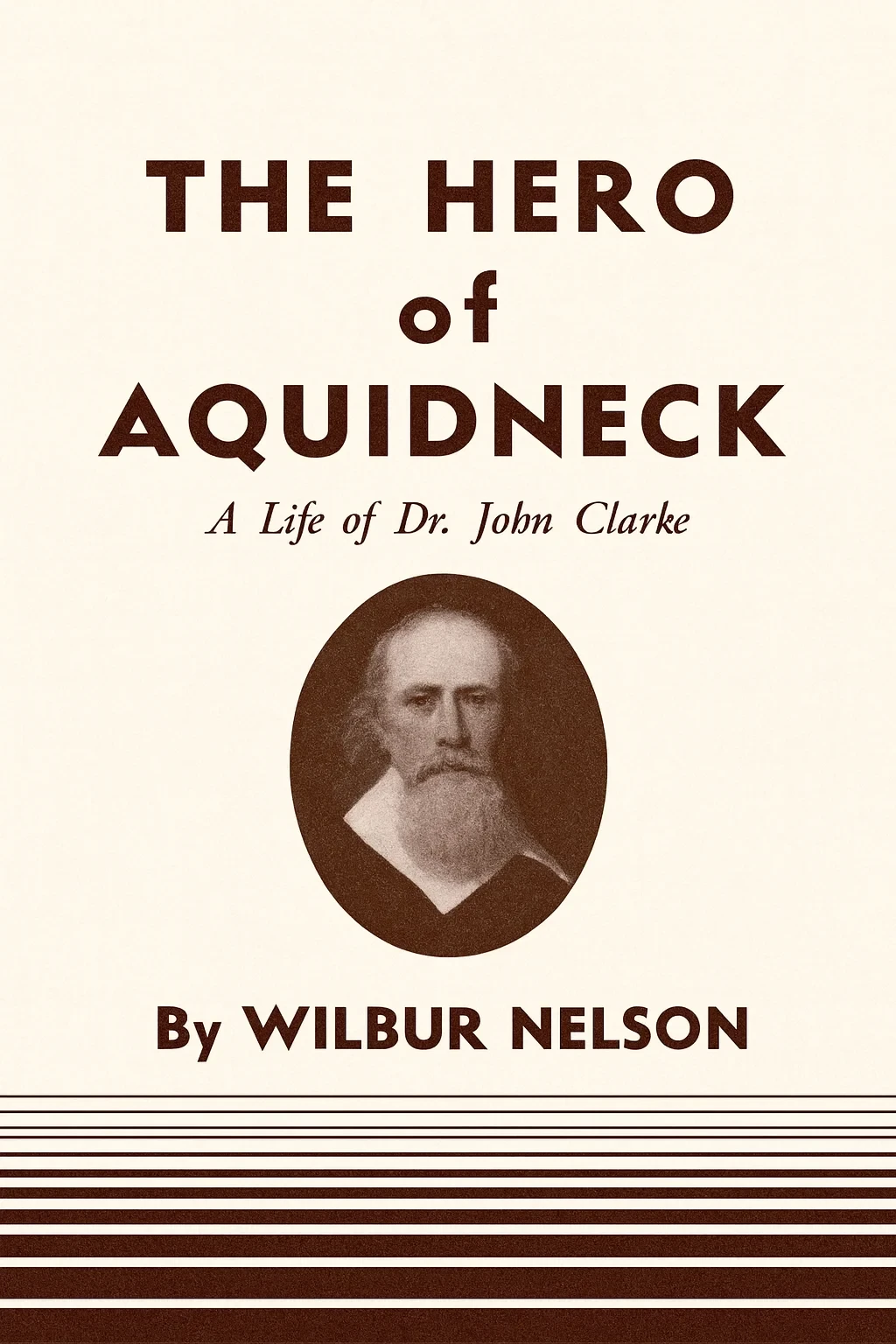
Key to formalizing the concept of “Separation of Church and State” in America…
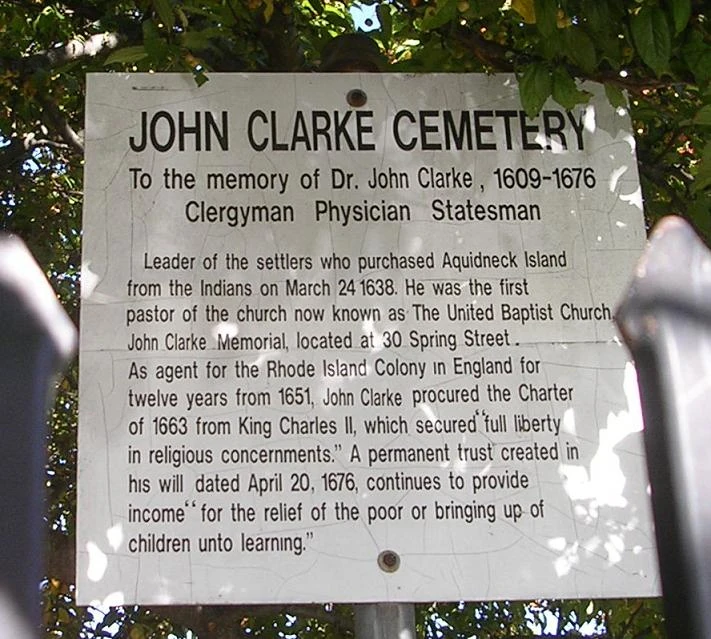
Ongoing Legacy…
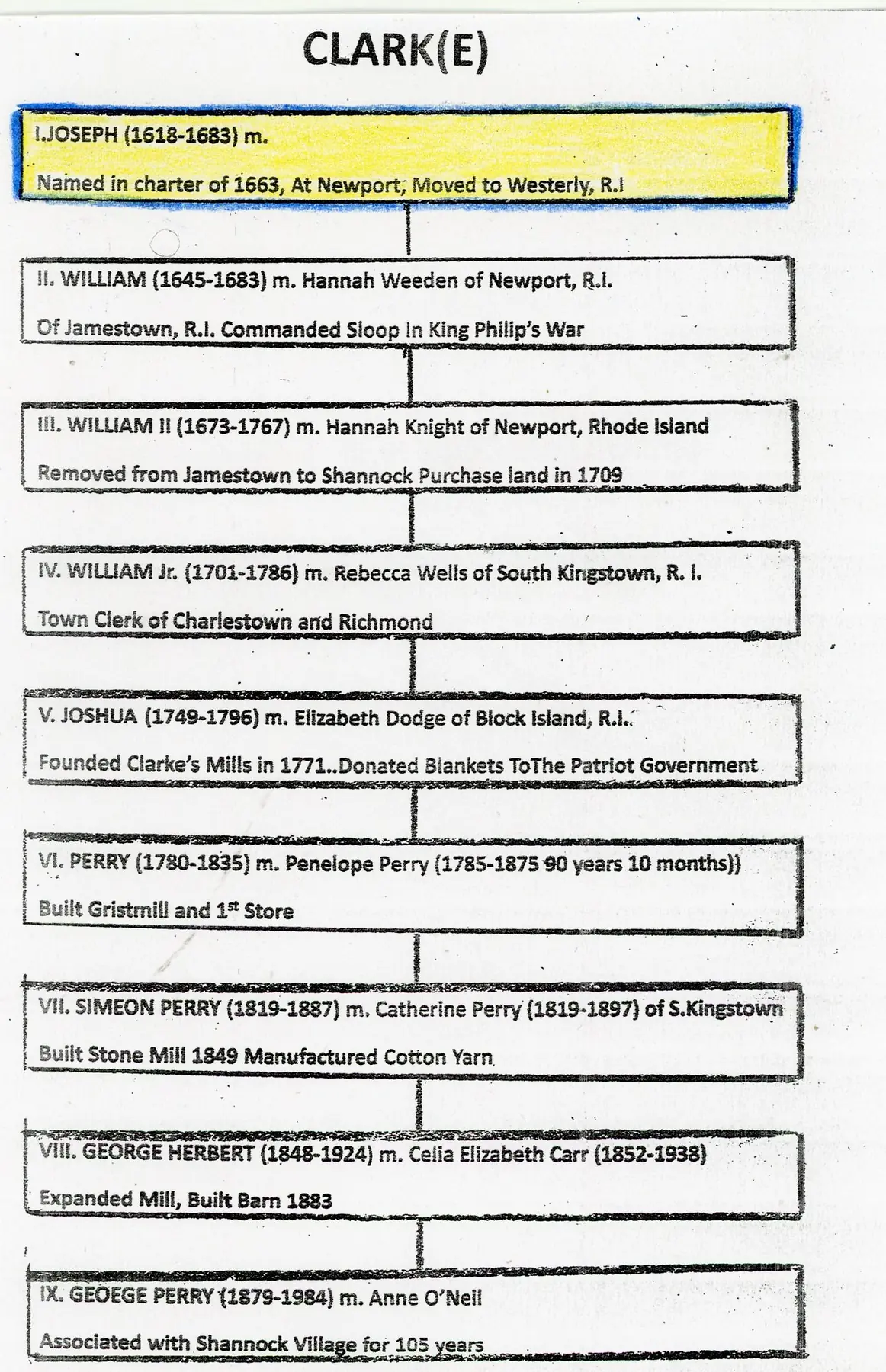
Joseph Clarke,(1618-1683), brother of Dr. John Clarke…
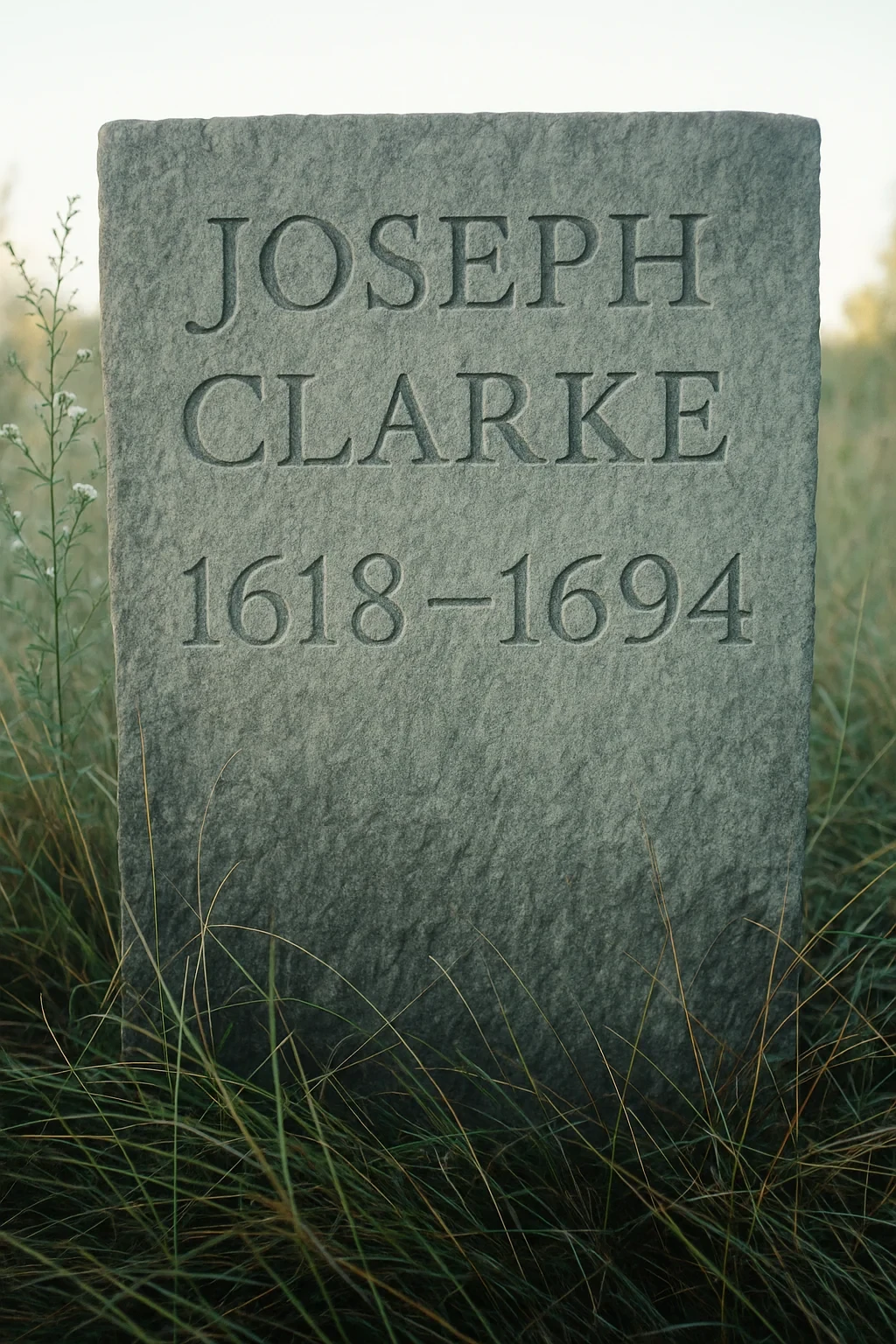
Joseph Clarke came to Narragansett Bay with his brother in 1637…
He was in Colonial Newport and also owned property in Jamestown and parts of the old South County, including farmland around Shannock…
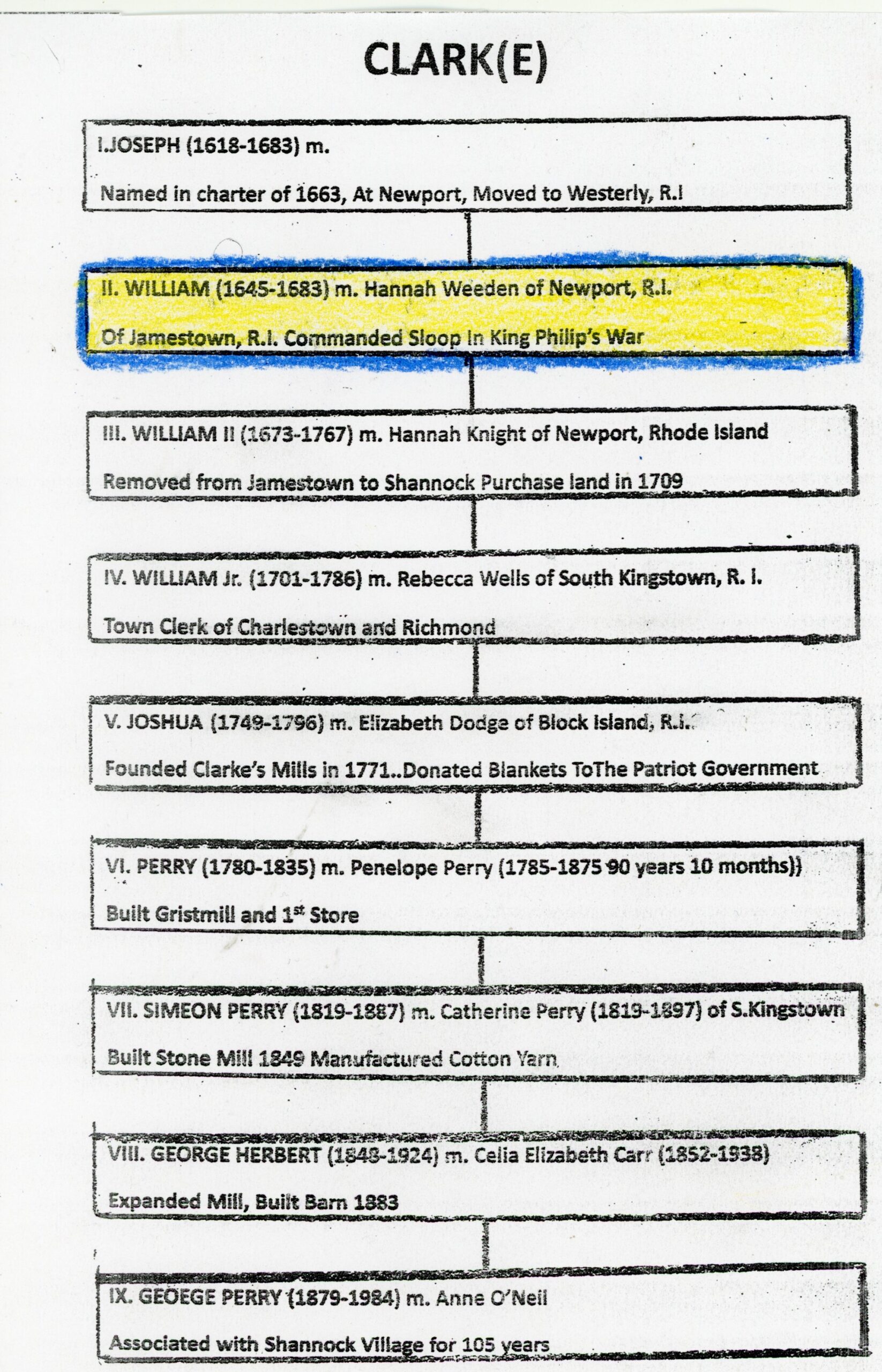
Joseph’s son, William Clarke (1645-1683)…
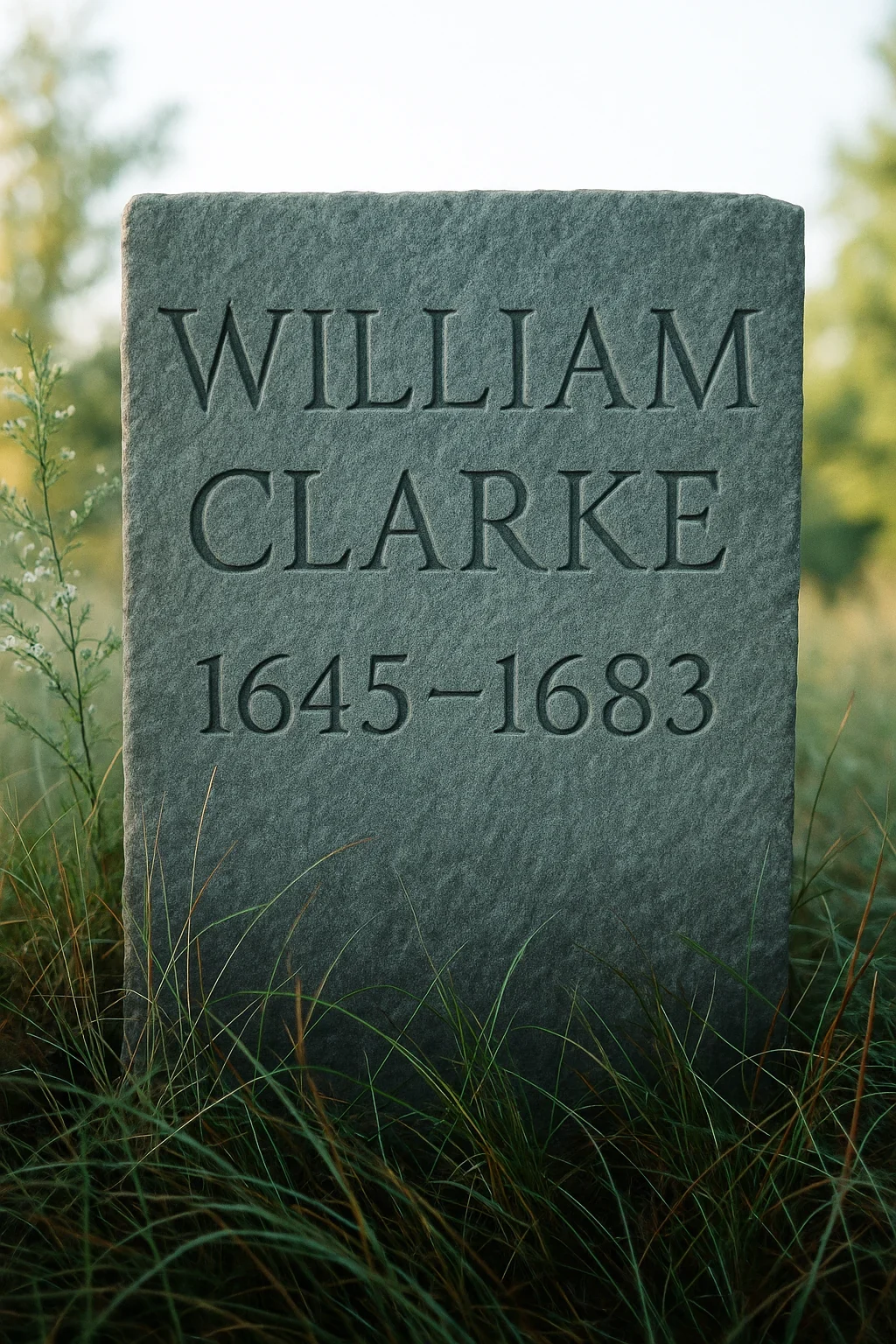
William was active in developing the early Colony…
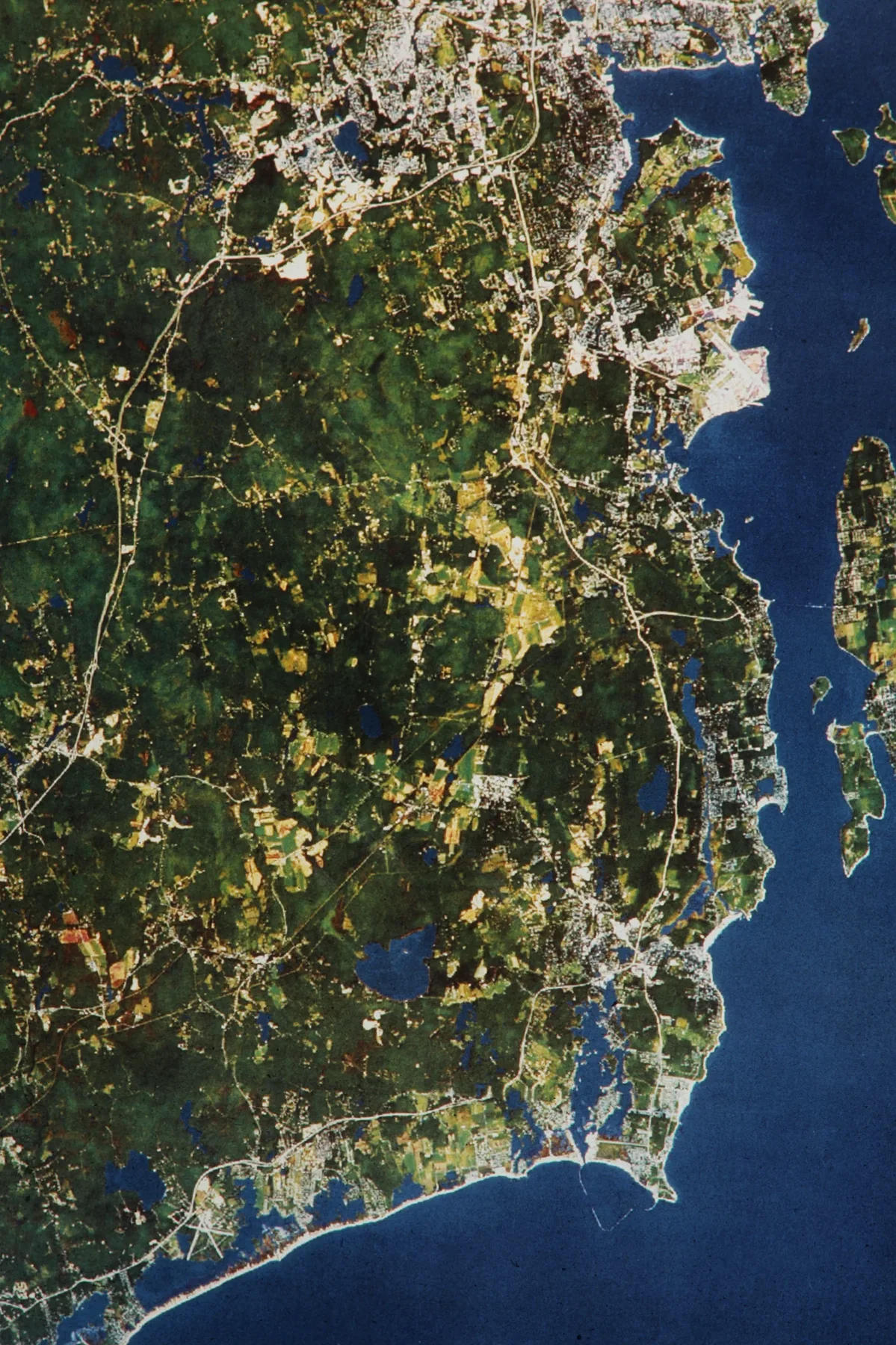
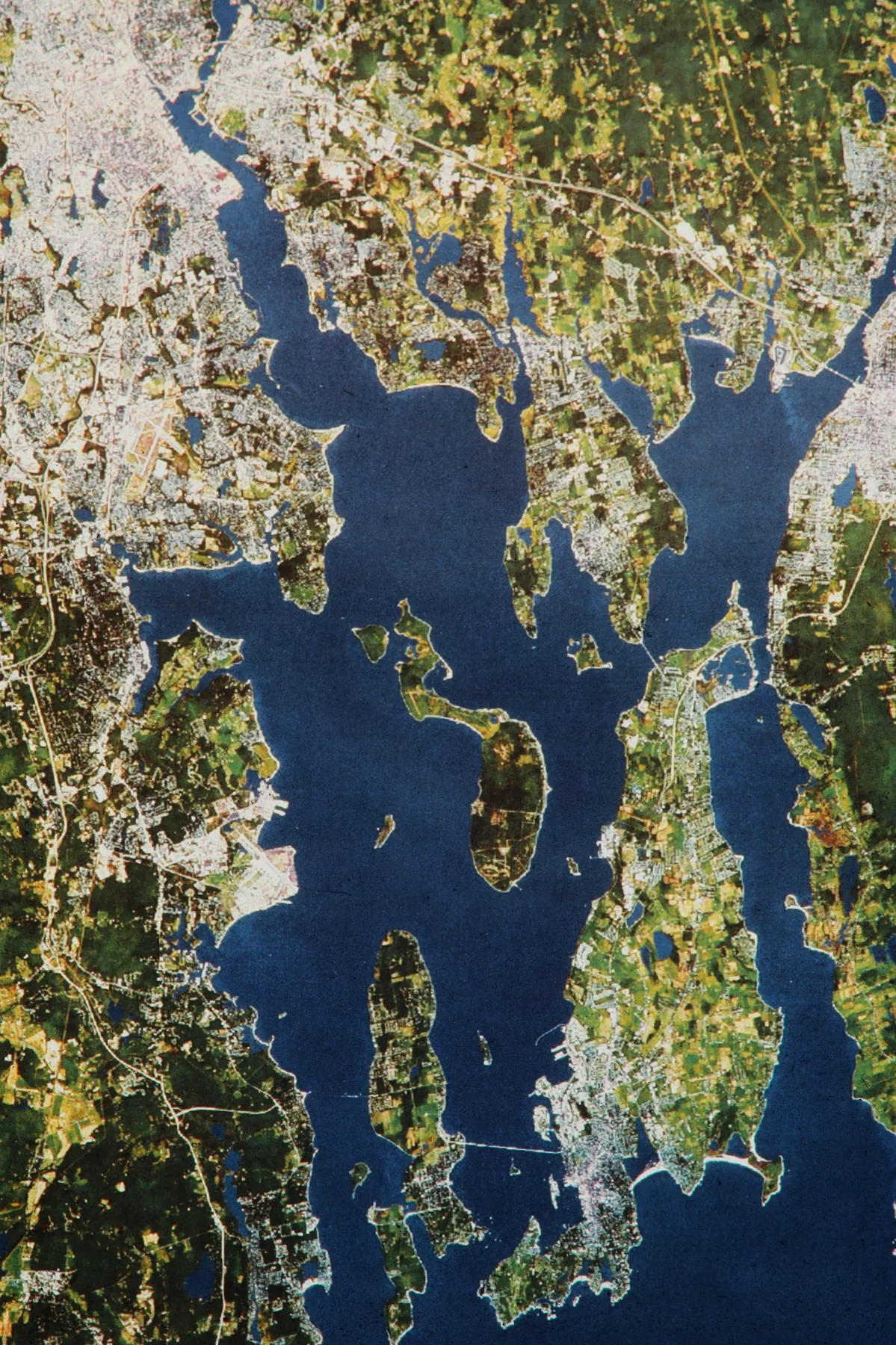
Current Satellite View of “South County” …
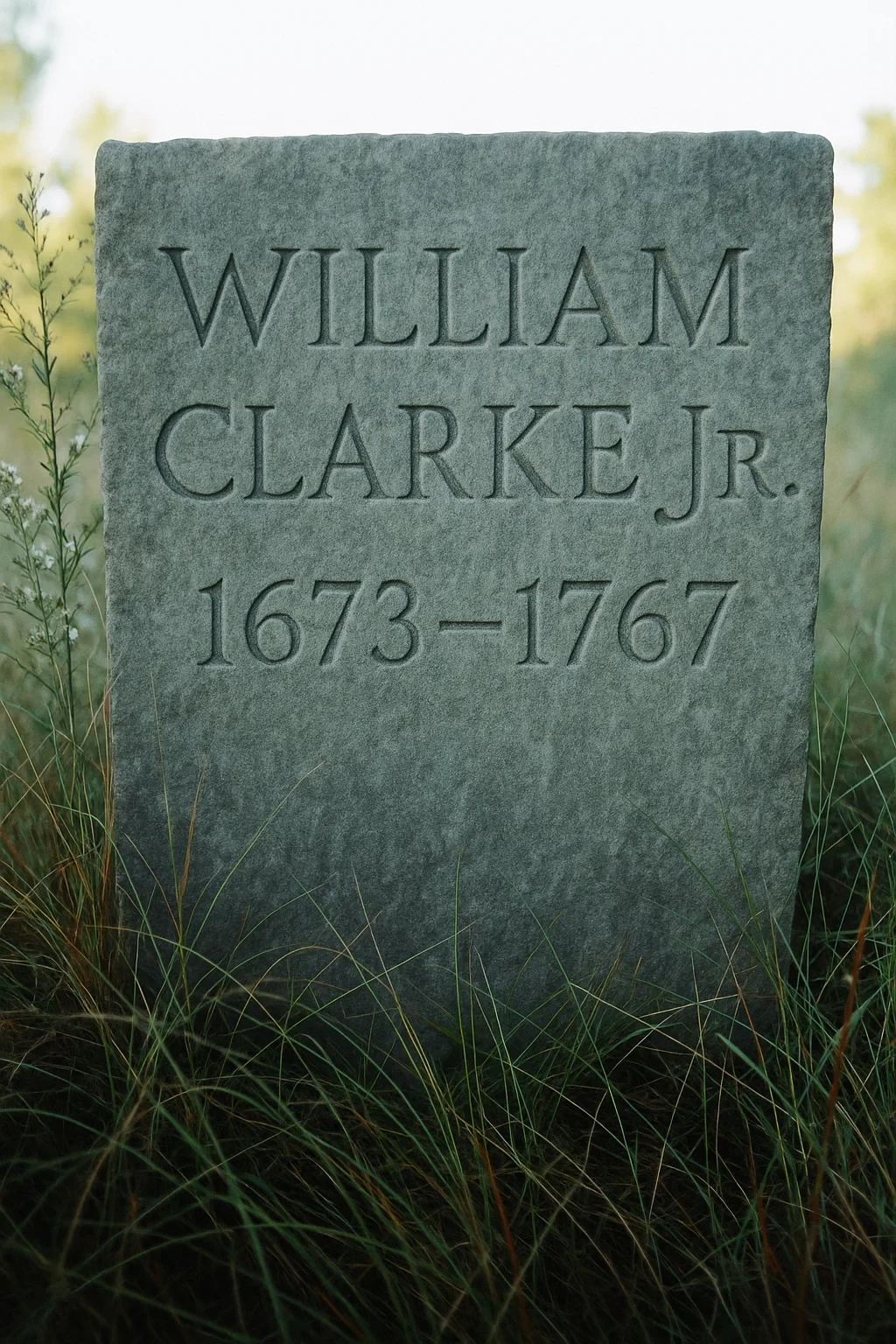
William Clarke II (1673-1767), was a partner in the Shannock Purchase in 1711…
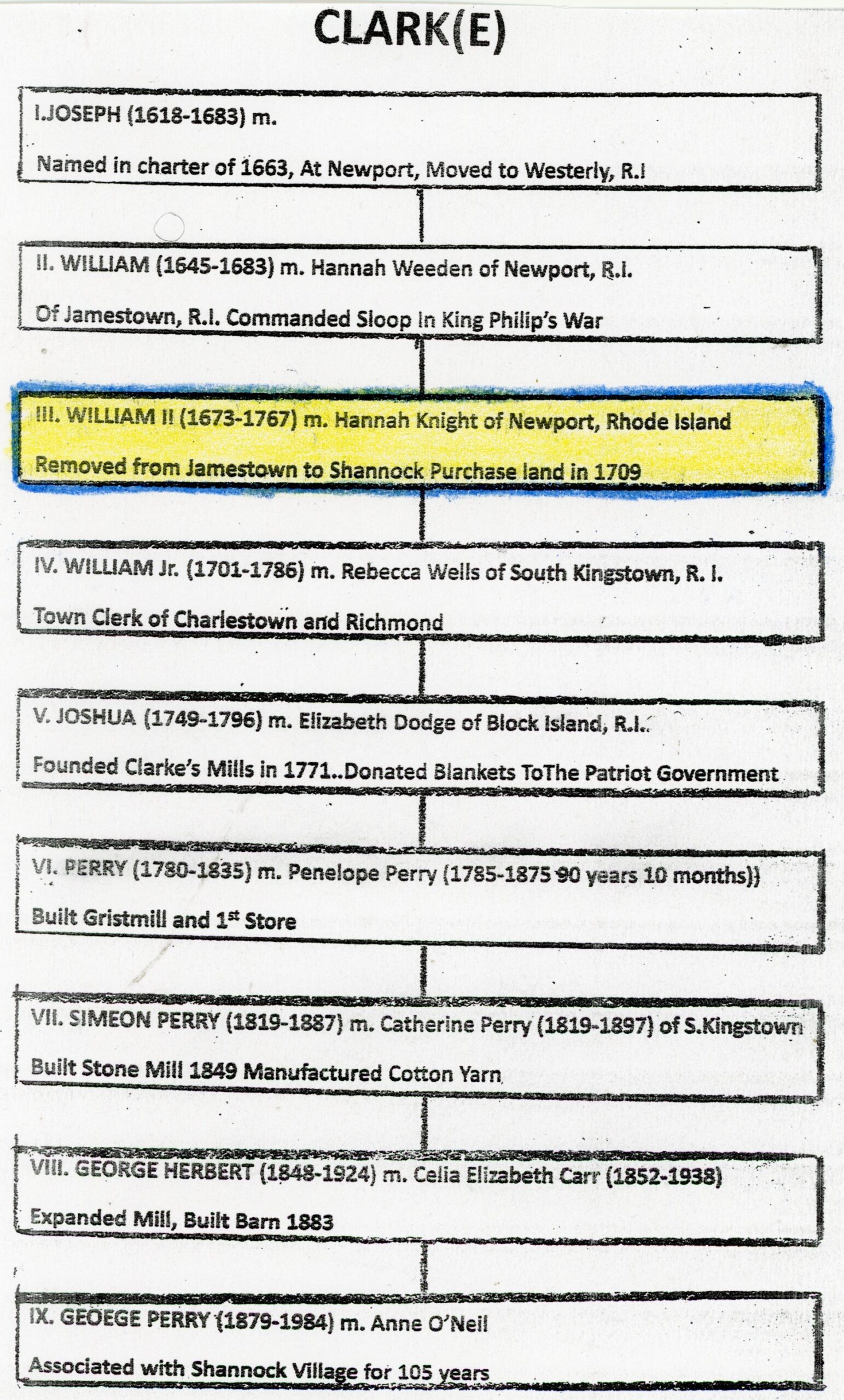
William Clarke II..
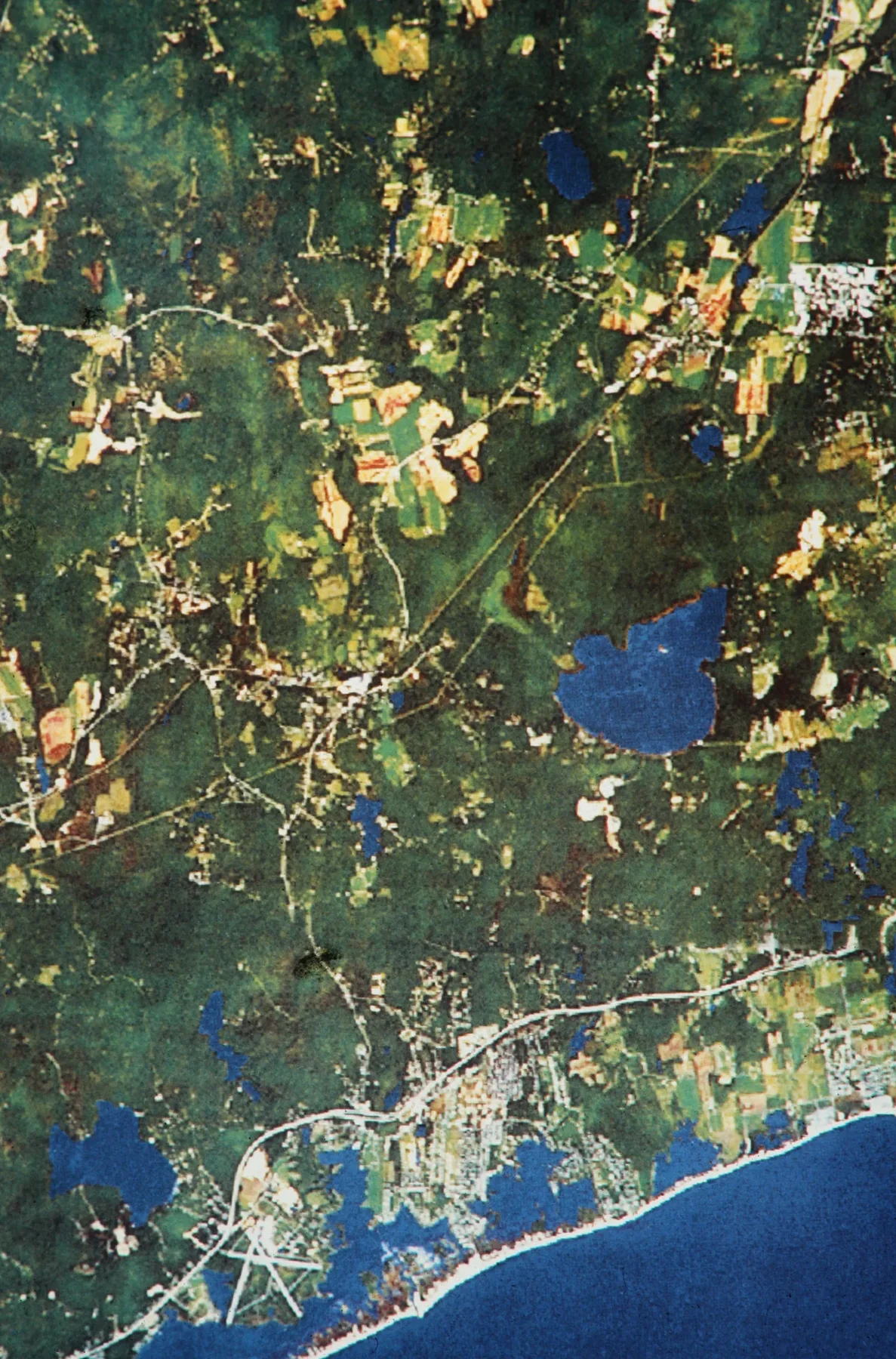
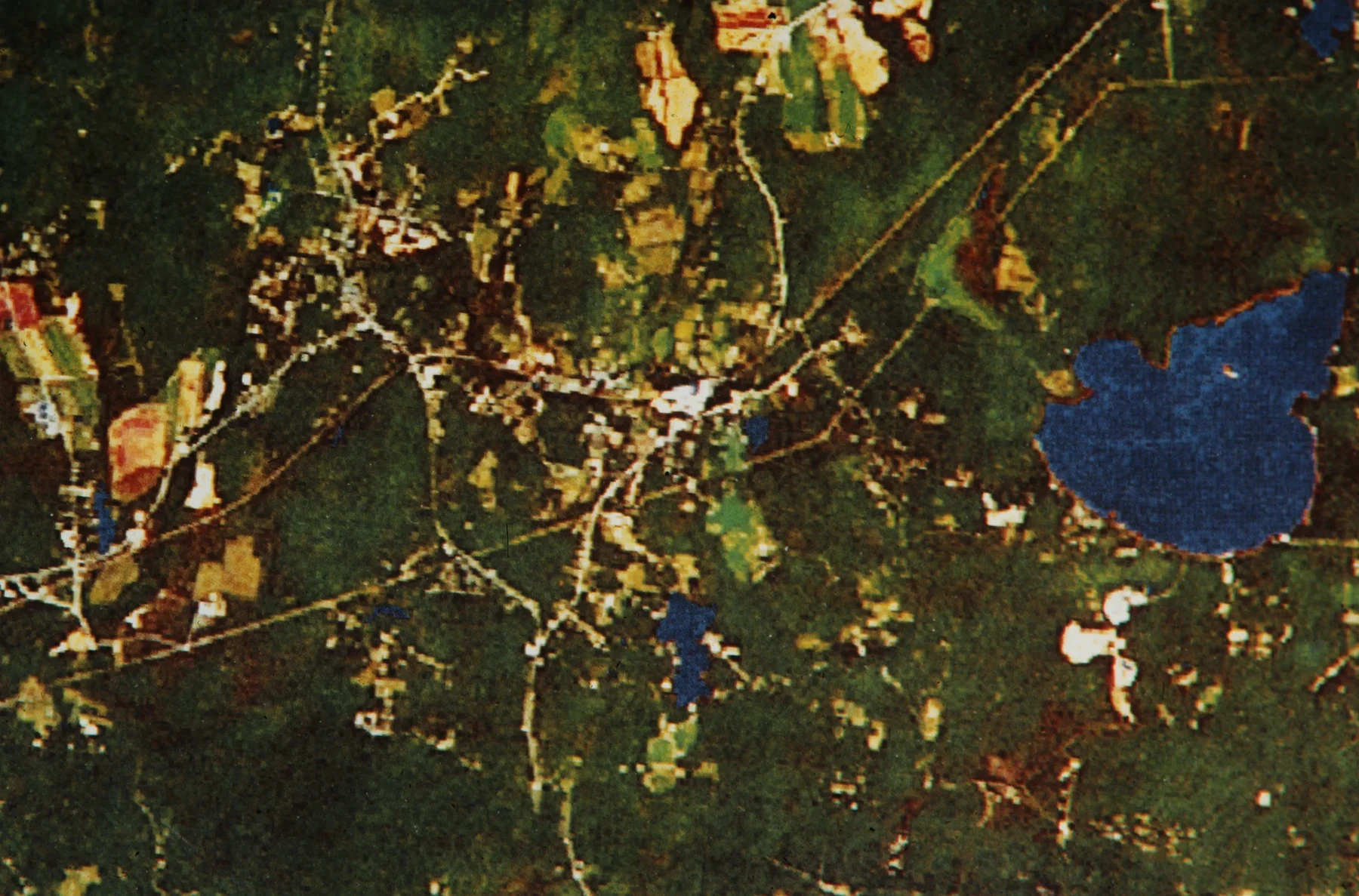
Worden’s Pond…
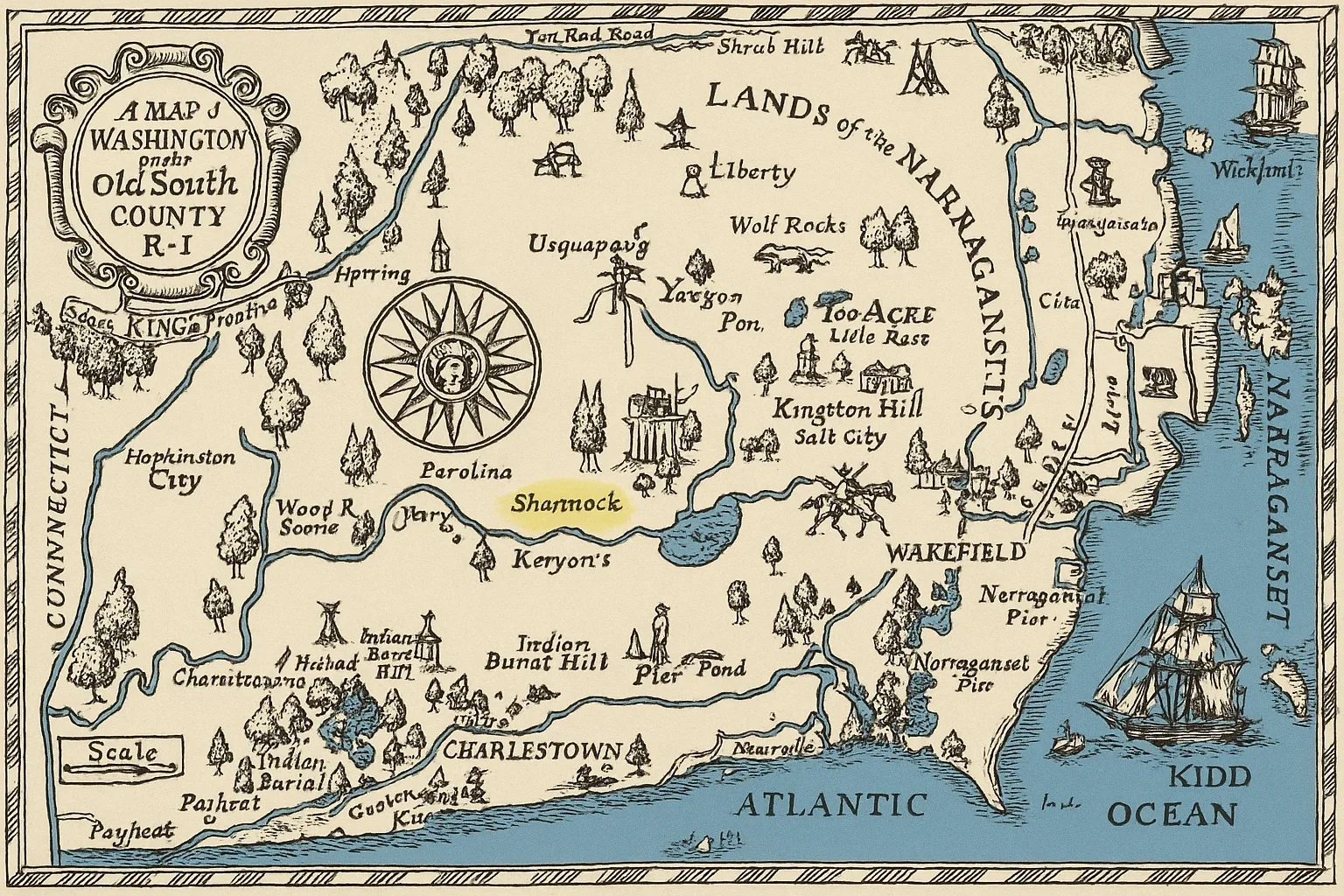
Shannock…
Modern day from space…
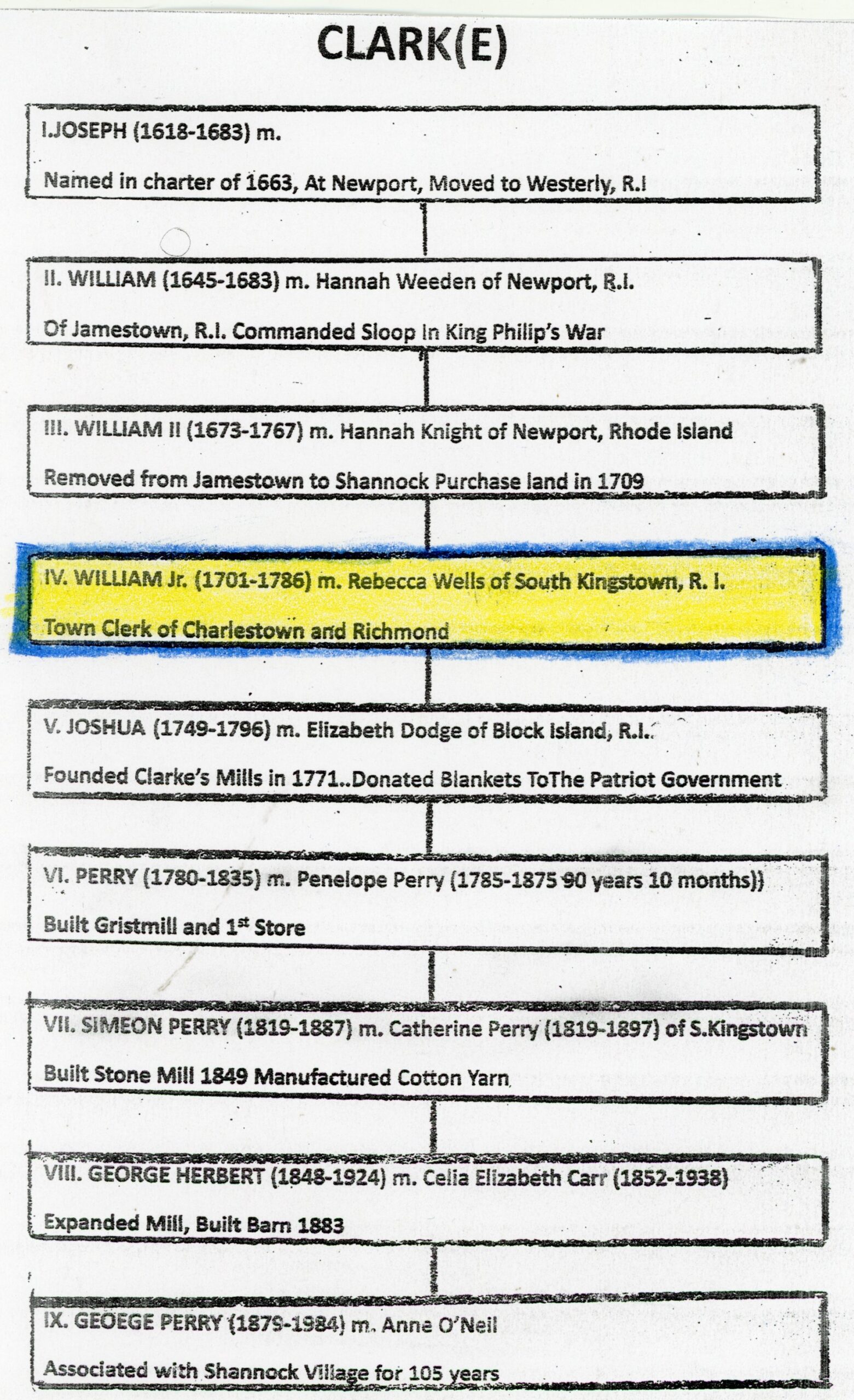
William III ..
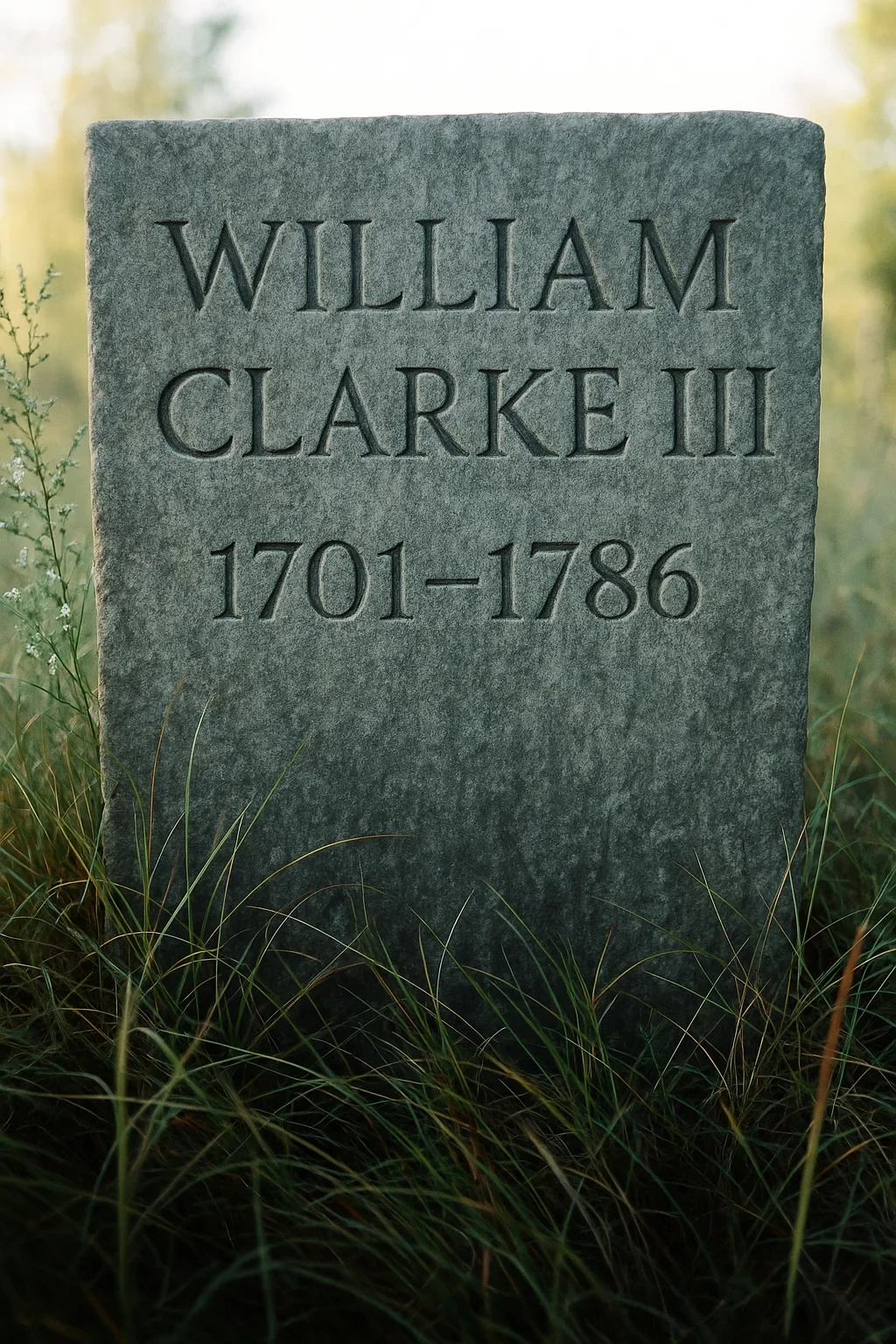
William Clarke III (1701-1786)
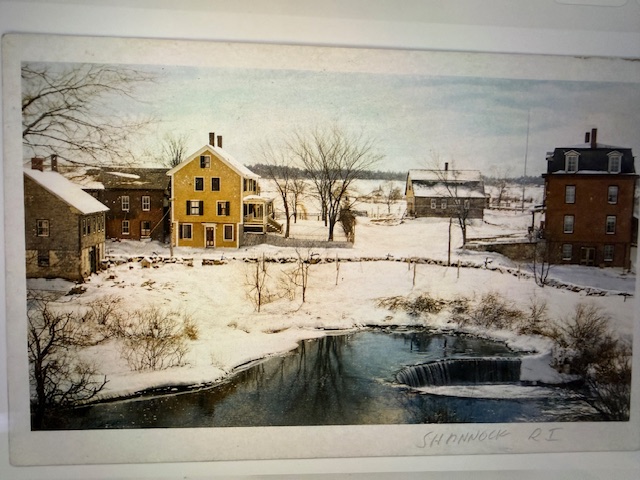
Anne Hoxie, (1868-1957), was born in Shannock and lived her entire life in the village. She resided in the large yellow home which still stands today and her memories were recorded many years ago providing a view of much earlier times.
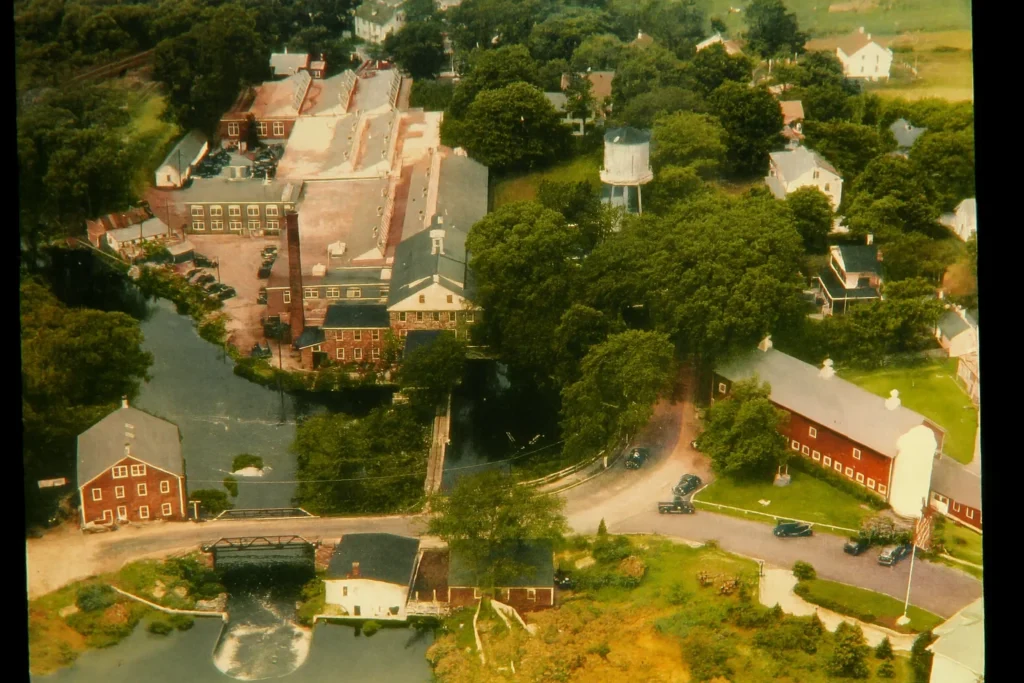
Note the barn which was built in 1883. What is called the wishing well today still stands today. Anne Hoxie remembers what was there before.
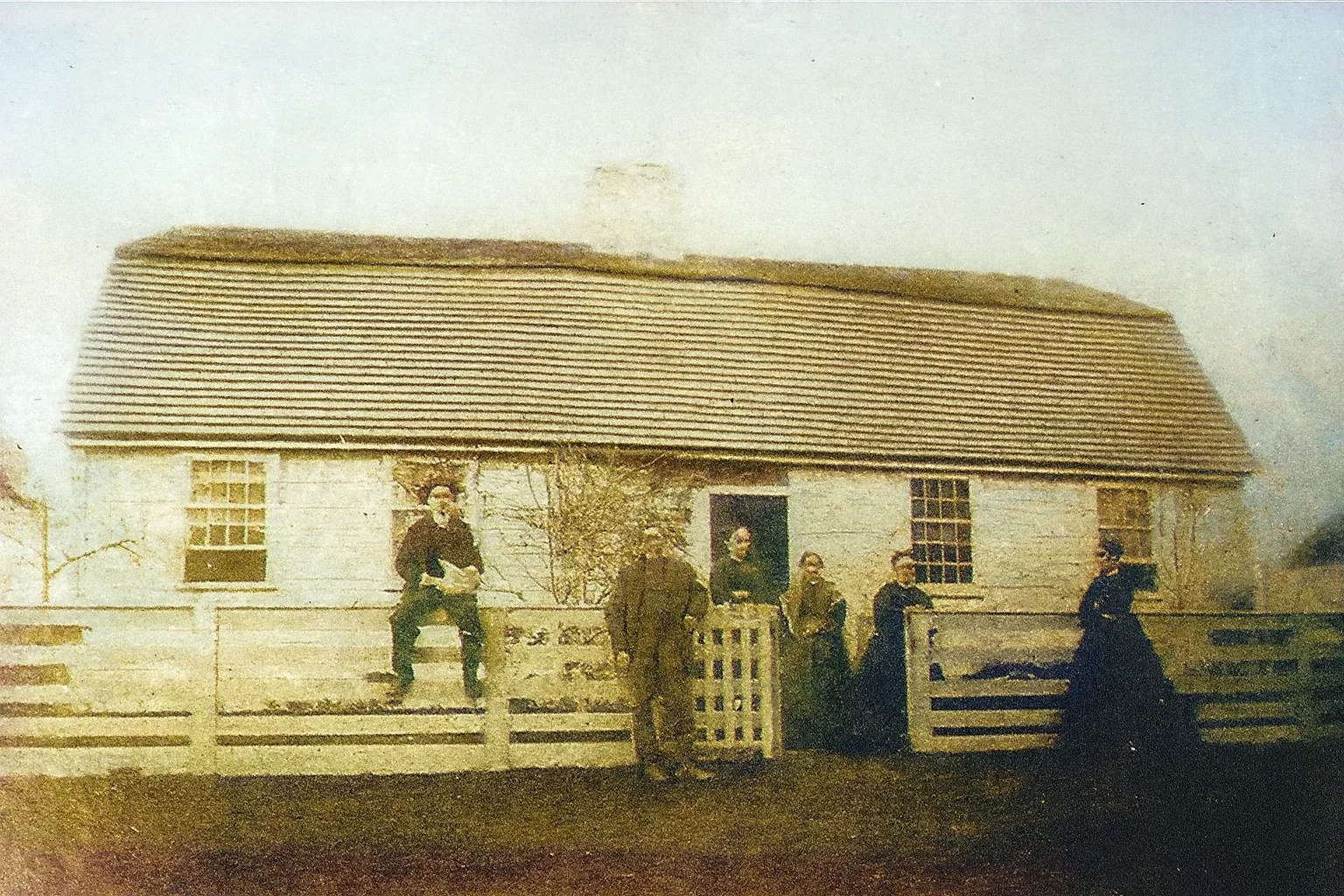
She remembers the early Clarke Homestead, (no longer standing)…”When you go to the dairy barn on the Horse Shoe Falls Farm for your bottle of milk you see what you are looking for—a barn! But when I look at the same spot it is not a barn at all that I behold but a dwelling house. I see a long, low Colonial house with a big stone central chimney; I can walk up the old stone steps and open the faded blue painted door; can even reach out a hand to pick long sprays of Jasmine that grew there in a great bush. I can see myself walking through the low-ceilinged kitchen, capacious, and having a large open fireplace, also the floor boards that were wide and worn, the small paneling of the doors and even the very tiny window panes. But it was a cheerful room….What was dearest of all about this old Clark Homestead was on the outside. It was a darling little brook that came laughing its way down the hillside and wandered into the door yard. One could look into it and see reflected the two tall maple trees that stood sentinel-like before the house, and one could drink, too, by lying flat down and letting the water run into one’s mouth. Everything was so simple and easy then”
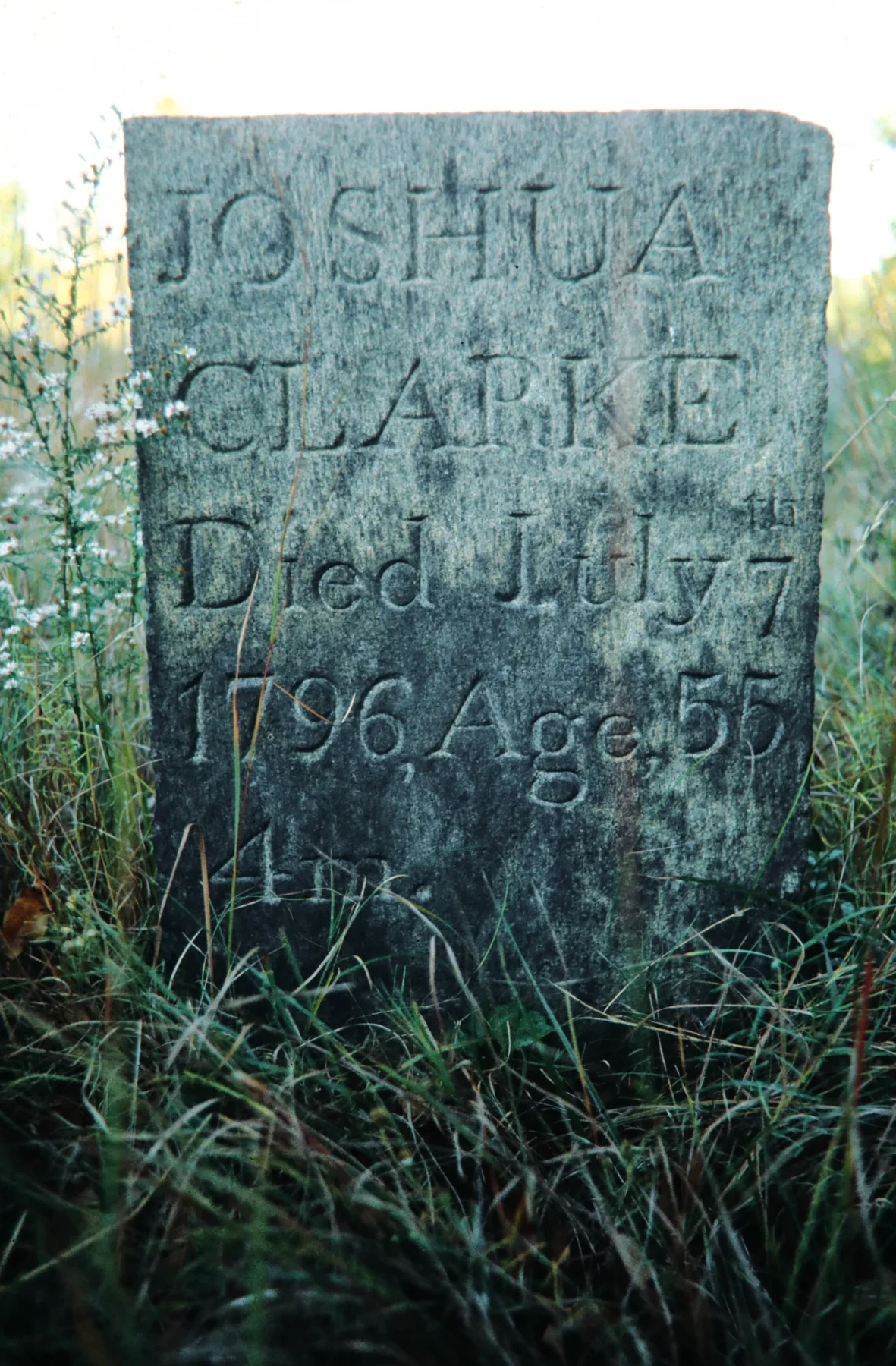
Joshua Clarke. (1749-1796)..
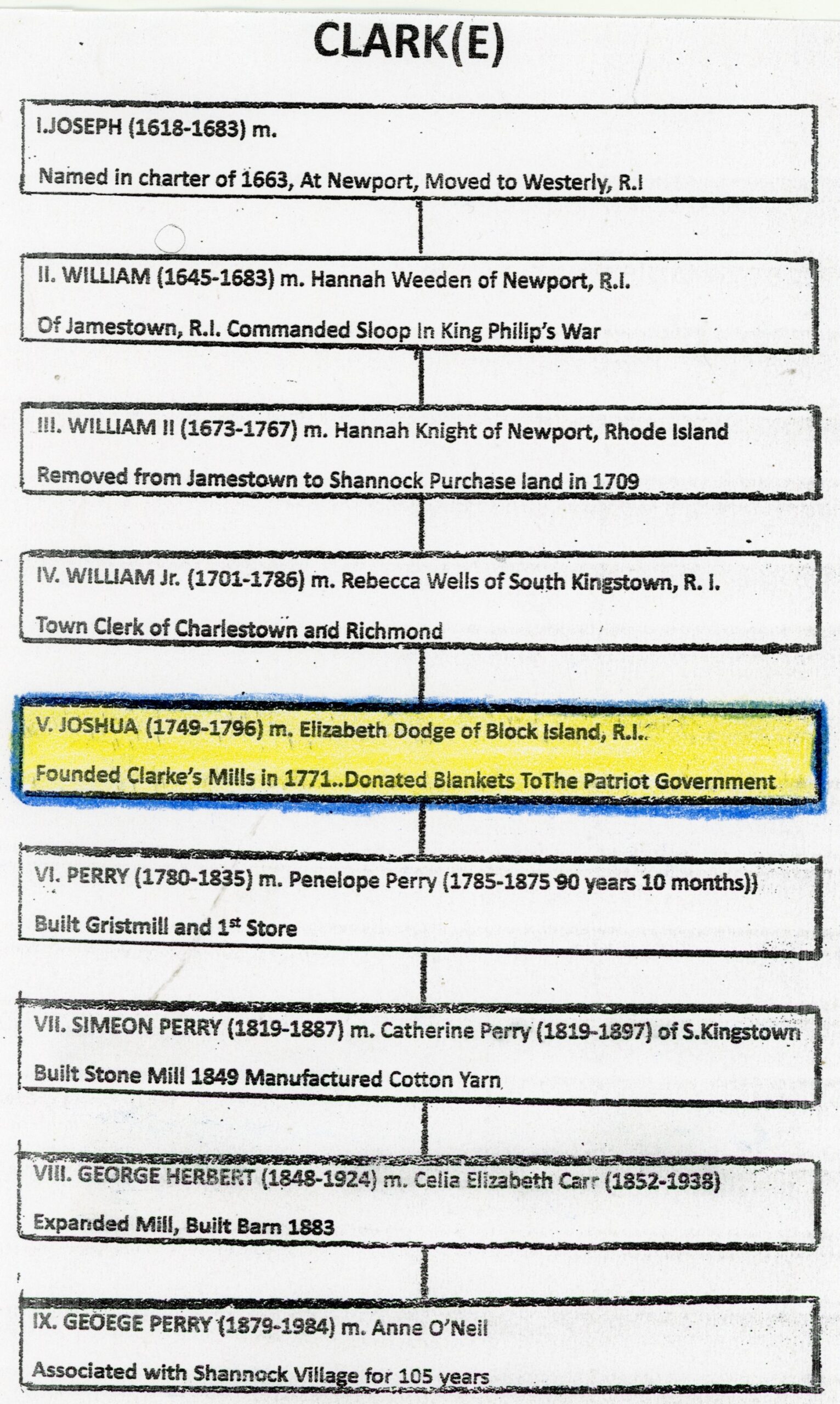
Joshua Clarke
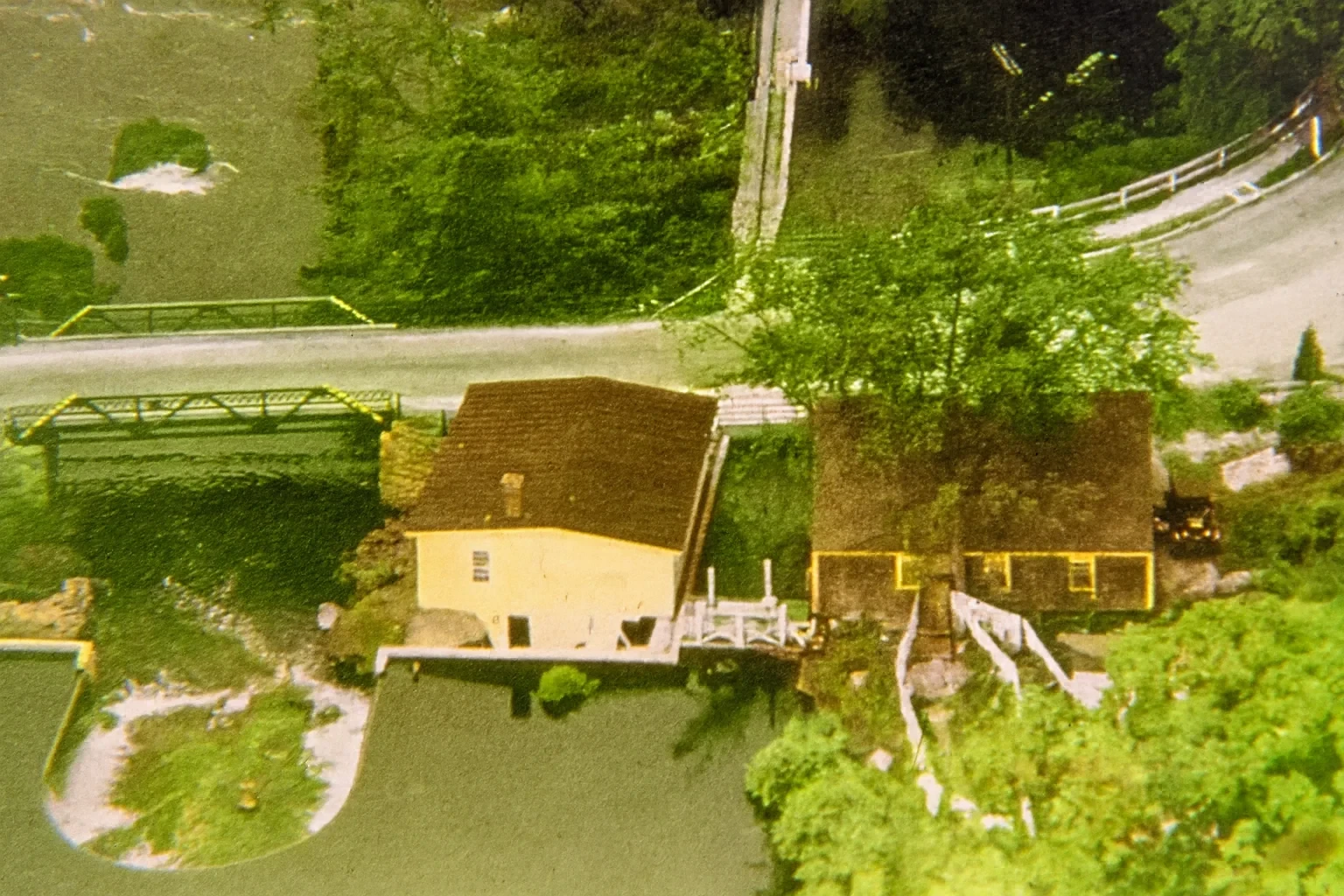
Joshua purchased water rights and ran a saw mill and gristmill there in 1771.. His grist mill became famed throughout the neighboring country. When owned by his son Perry Clark, the mill ground the famous ‘Ambrosia’ of which Shepard Tom Hazard makes mention in his book ‘The Johnny-Cake Papers’. It was sold largely in Newport”…The Providence Sunday journal October 23, 1904
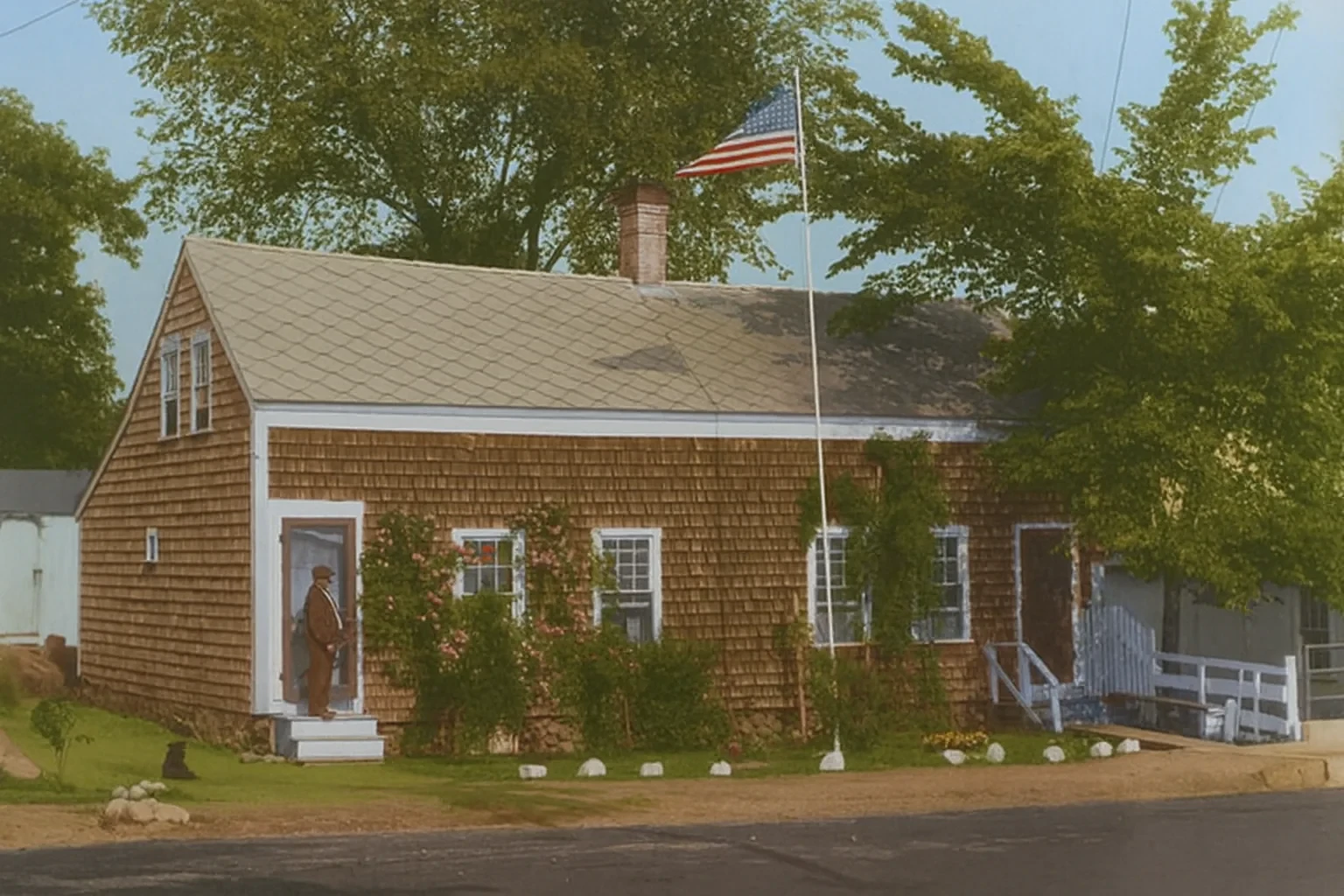
Joshua Clarke Home…
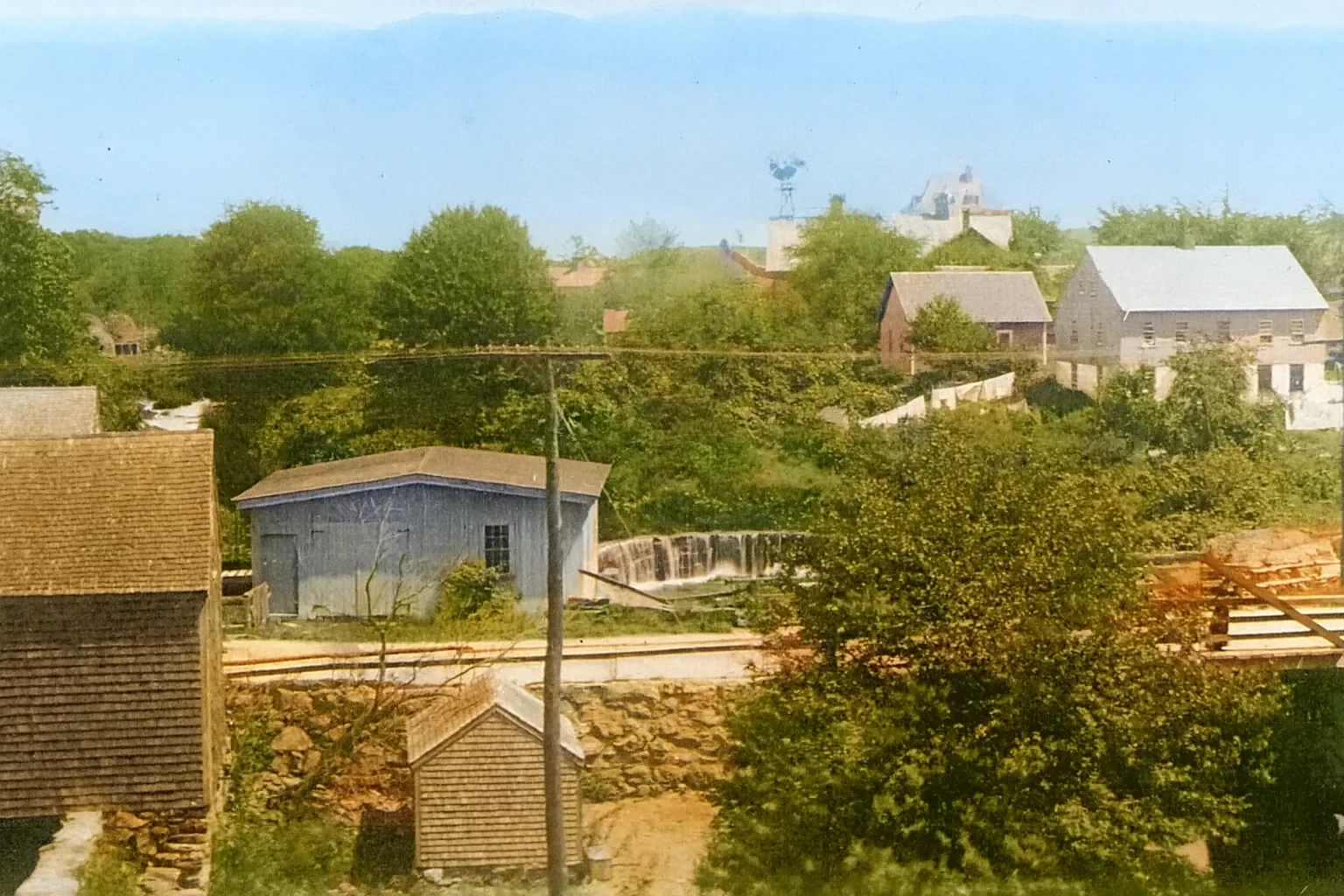
Former site of Gristmill…”I can remember, personally, on the Richmond side of the bridge, the old grist mill. How dusty everything was inside! It was fun to sit on the floor and draw pictures in the meal dust.” Anne Hoxie (1868-1957). Around 1900 the old gristmill was torn down and the current structure replaced it and became known simply as “The Carpenter Shop”.
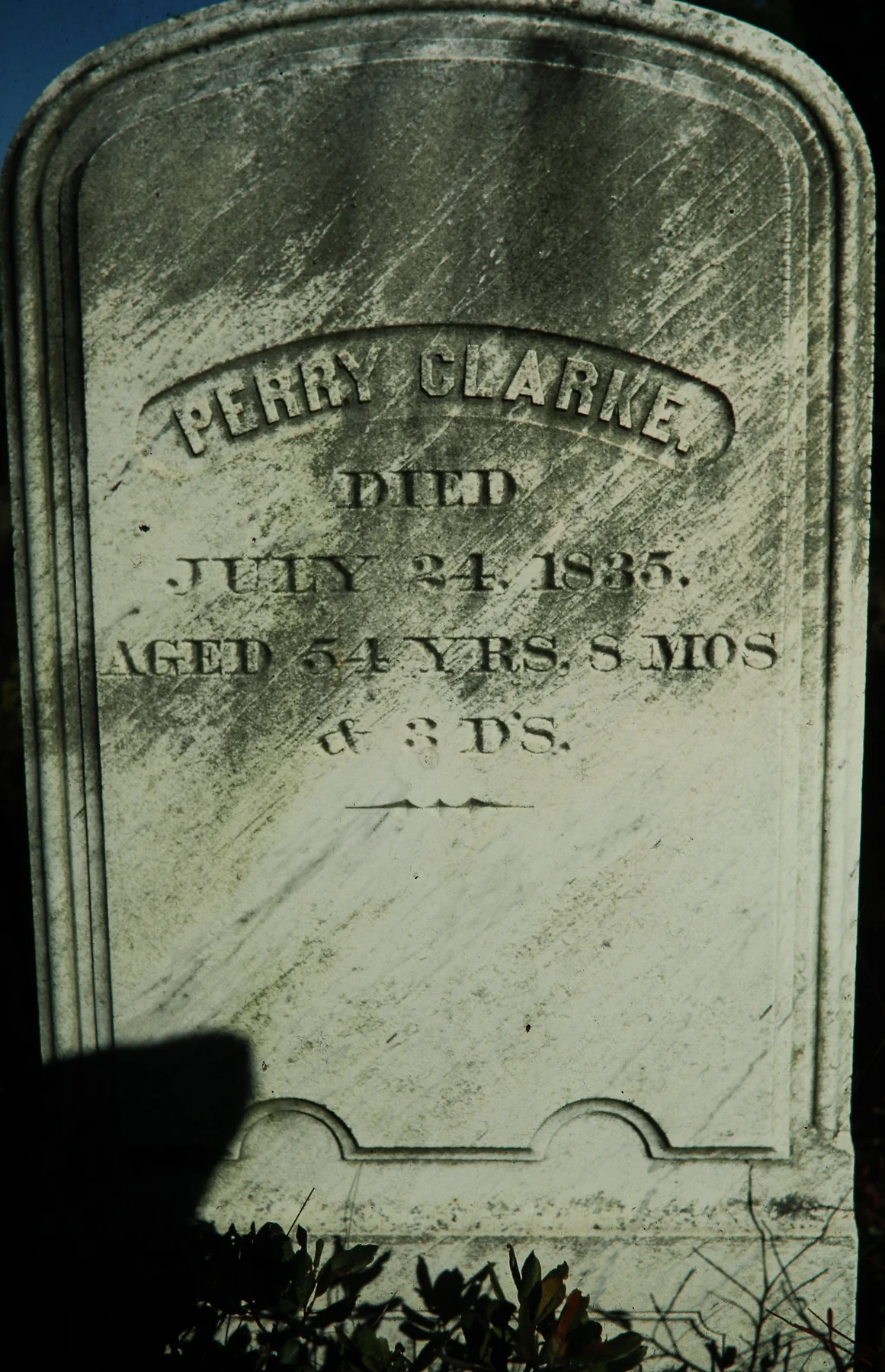
Perry Clarke.(1780-1835)..
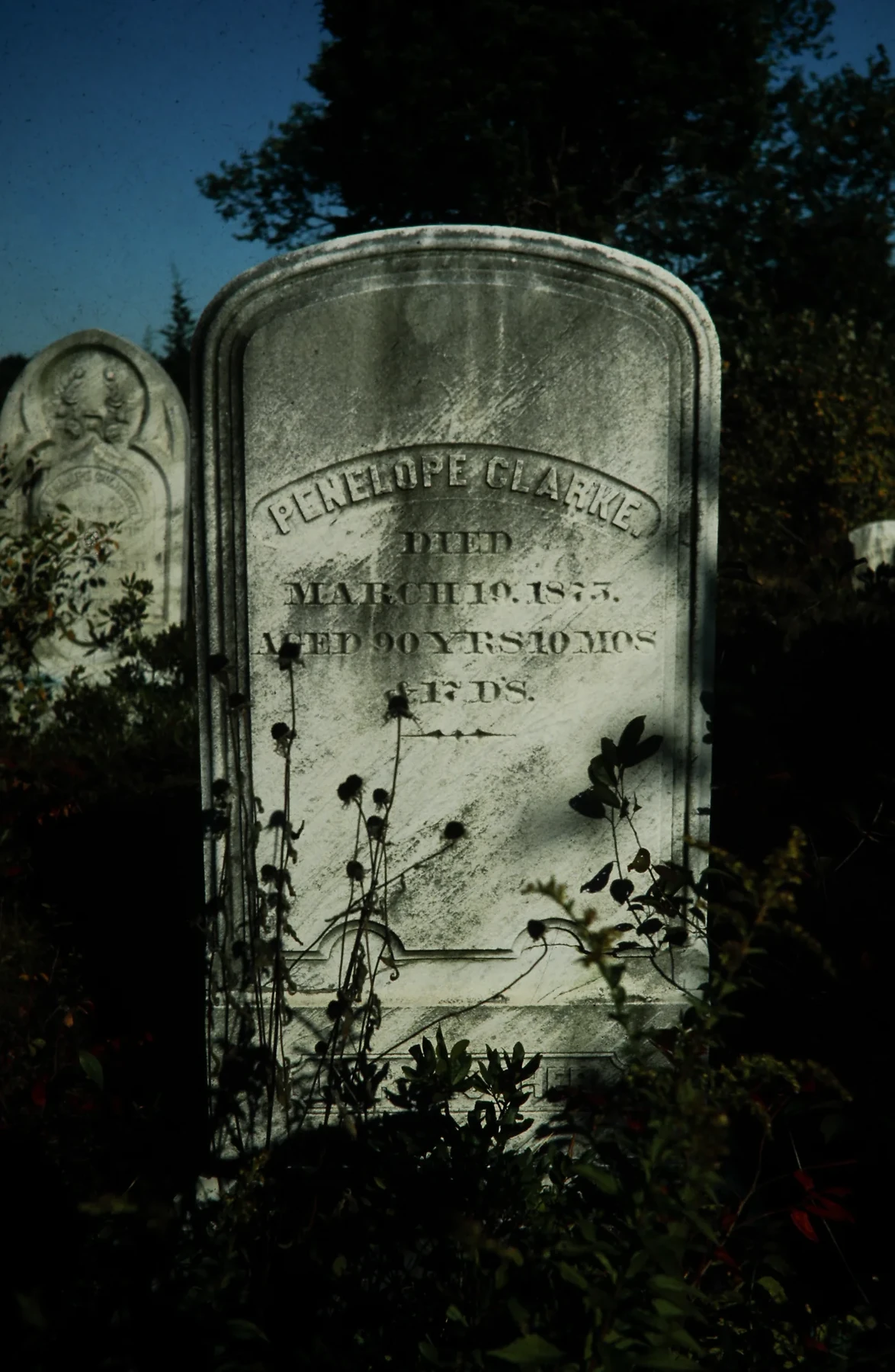
Wife of Perry, Penelope Clarke (1785-1875), lived to be 90 years, 10 months…
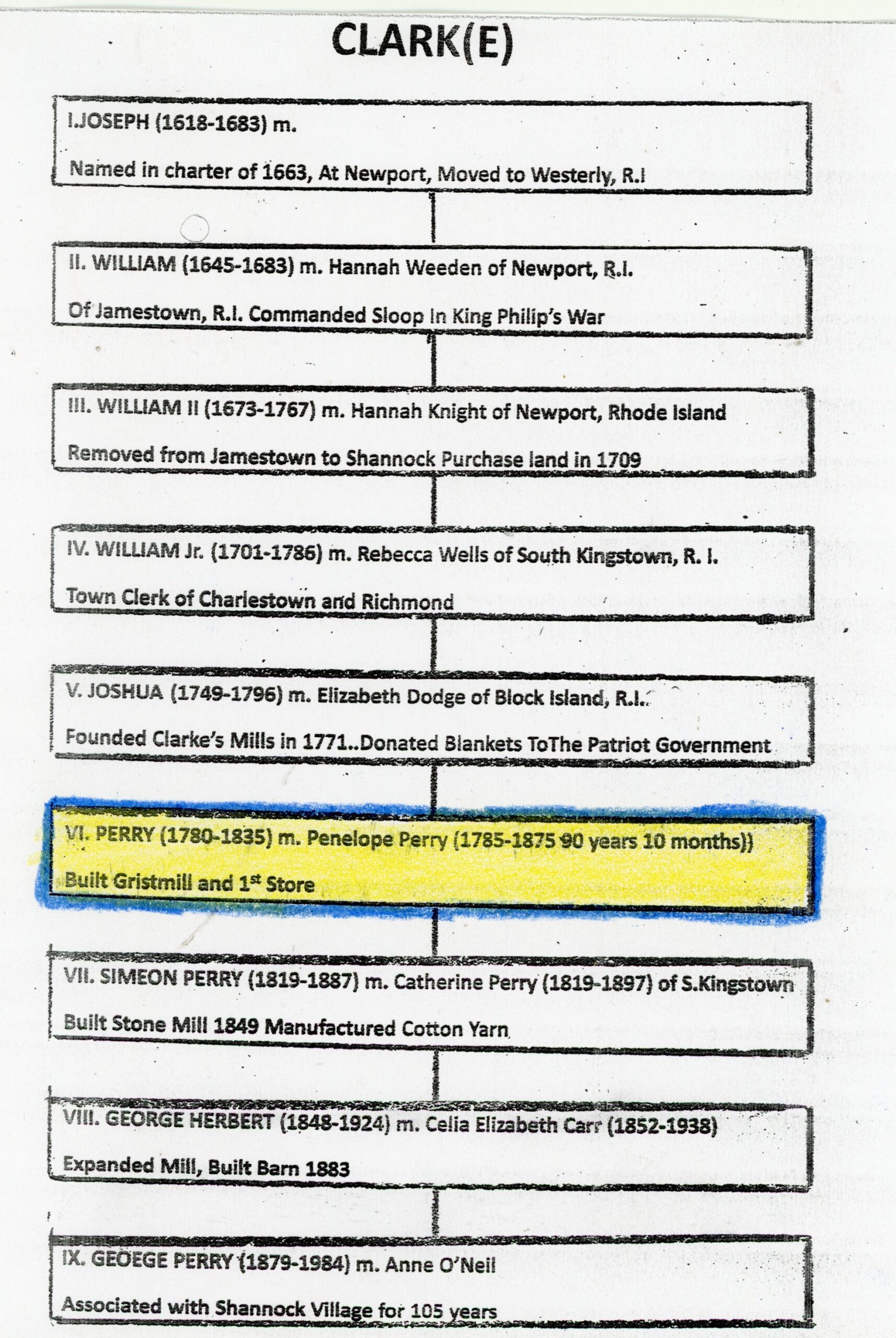
Perry Clarke..
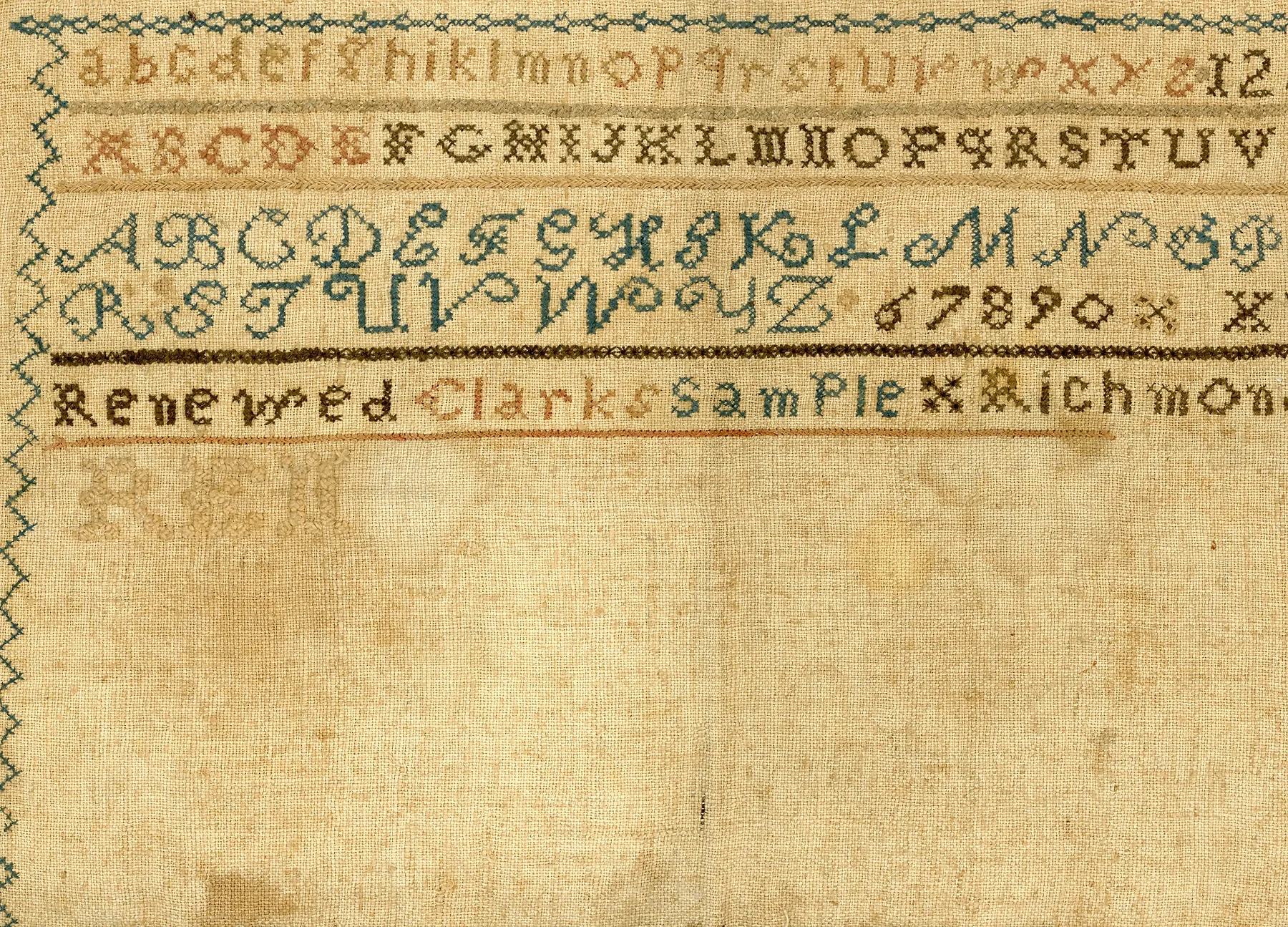
Cousin…
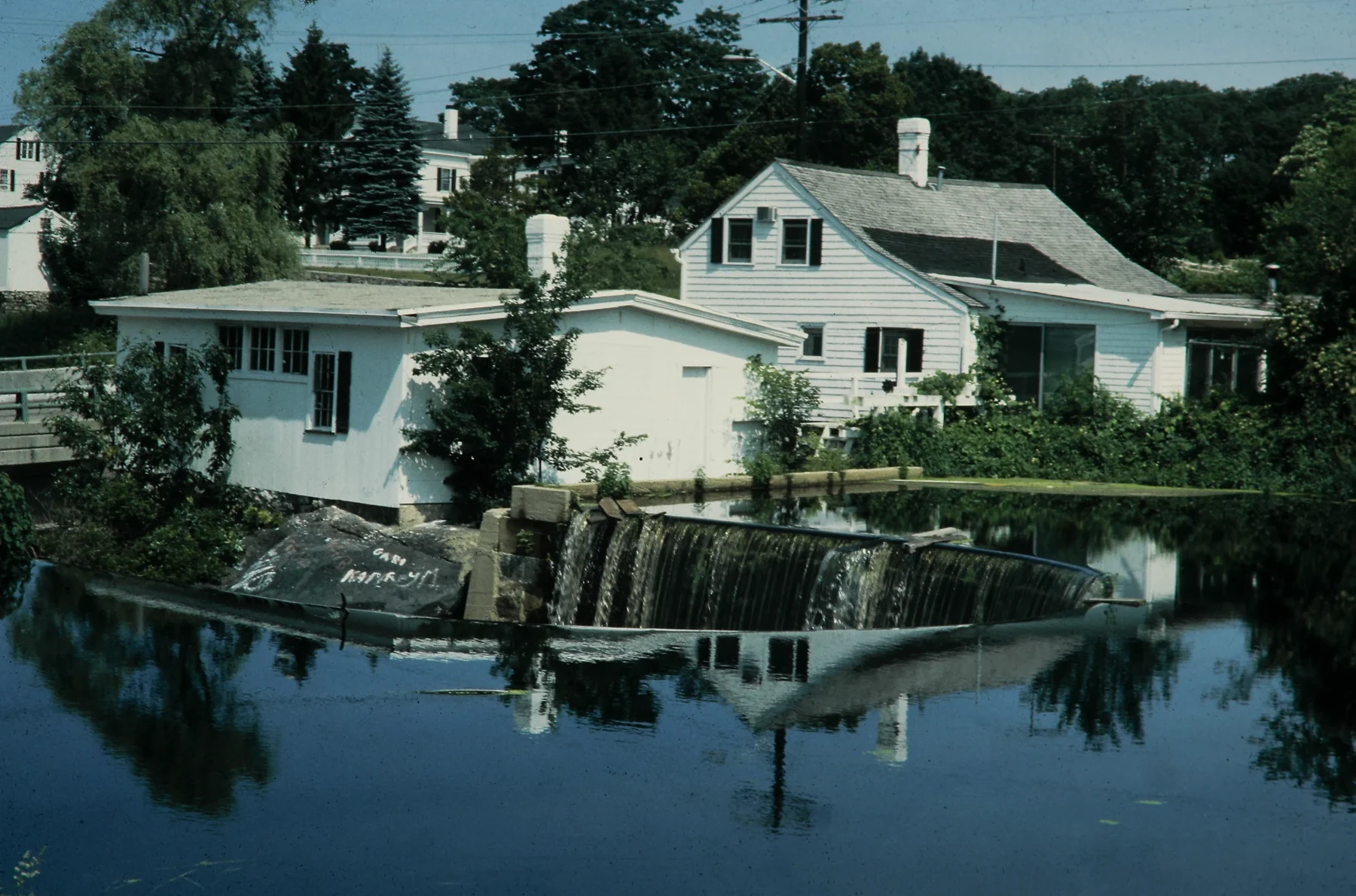
View today…